Mountainous Forests
Mountainous forests are unique and vital ecosystems found across the globe, clinging to slopes and valleys in high-altitude regions. These diverse habitats are characterized by their elevation, varied topography, and distinct climatic conditions, which collectively support an incredible array of plant and animal life.
Flora of Mountainous Forests
The vegetation in mountainous forests is highly dependent on altitude, latitude, and local microclimates. Lower slopes often feature a mix of broadleaf deciduous trees, transitioning to coniferous forests (like pine, spruce, and fir) as elevation increases. The cold temperatures and shorter growing seasons at higher altitudes lead to the dominance of hardy, evergreen species adapted to harsh conditions. Tree lines mark the upper limit of forest growth, beyond which alpine meadows and tundra-like vegetation prevail. Common understory plants include mosses, ferns, lichens, and a variety of wildflowers that burst into bloom during the brief summer months.
Fauna of Mountainous Forests
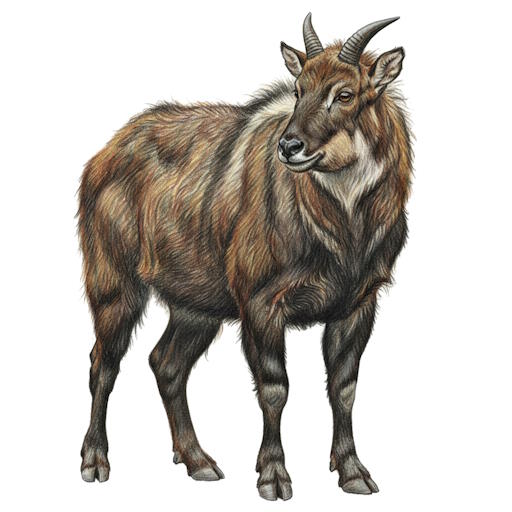
Mountainous forests provide critical habitats for a wide range of animal species, many of which are specially adapted to the rugged terrain and colder temperatures. Mammals such as bears, deer, mountain goats, bighorn sheep, and various species of wild cats (like lynx and cougars) thrive in these environments. Birdlife is also abundant, with species ranging from raptors like eagles and hawks, which utilize updrafts for soaring, to smaller forest dwellers like woodpeckers, owls, and songbirds. Reptiles and amphibians may be less common due to the colder climate, but specialized species can be found in suitable niches. The intricate food webs in these forests include numerous insects and smaller invertebrates, forming the base of the ecosystem.
Ecological Importance and Threats
Mountainous forests play a crucial role in global ecology. They act as significant carbon sinks, helping to regulate the Earth's climate. They are also vital for water cycles, trapping snow and ice and slowly releasing water into rivers and streams, supplying freshwater to downstream communities. Furthermore, these forests often harbor high levels of biodiversity, including many endemic species found nowhere else on Earth. However, mountainous forests face increasing threats from climate change, leading to changes in temperature and precipitation patterns, altered snowmelt, and increased frequency of wildfires. Deforestation for logging, agriculture, and urban expansion also poses significant risks, fragmenting habitats and reducing biodiversity. Conservation efforts are essential to protect these invaluable ecosystems and the unique species they support.
Other Habitats
There are lots of other habitats to explore. Check out all of our habitats for more info.
Animals which live in Mountainous Forests Habitat
Click on an image to learn more about one of the animals.