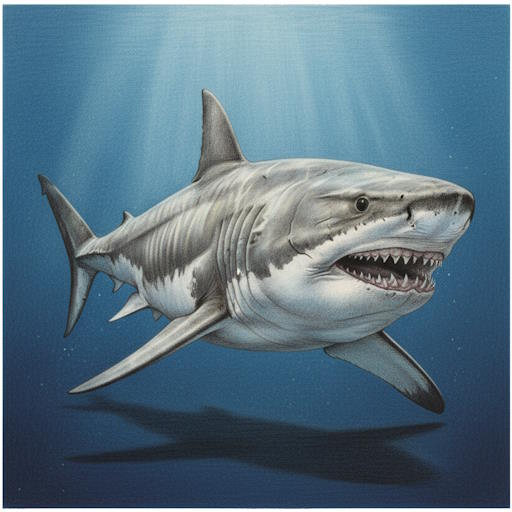
Oceans worldwide
The "Oceans Worldwide" habitat encompasses the vast, interconnected body of saltwater that covers over 70% of Earth's surface. This expansive and dynamic environment is a critical component of our planet's life support system, influencing weather patterns, regulating global temperatures, and serving as the ultimate reservoir of biodiversity. From the sunlit surface waters teeming with microscopic plankton to the crushing depths of the abyssal plain, the oceans are a collection of diverse ecosystems, each supporting a unique array of life.
The surface layers, or the epipelagic zone, are the most productive, fueled by sunlight that penetrates the water, enabling photosynthesis by phytoplankton. These tiny organisms form the base of the marine food web, supporting everything from small crustaceans and fish to massive whales. Further down, the mesopelagic (twilight) and bathypelagic (midnight) zones become progressively darker and colder, with life adapted to low light, high pressure, and scarce food. Here, bioluminescent creatures and specialized predators thrive. The deepest parts of the ocean, the abyssal and hadal zones, are characterized by extreme pressure, perpetual darkness, and cold temperatures, yet astonishing life forms, often relying on chemosynthesis, have evolved to survive in these harsh conditions.
Key features of oceans worldwide include a wide range of water temperatures, salinity levels, and currents. Major ocean currents, driven by wind, temperature, and salinity differences, act like massive conveyor belts, distributing heat around the globe and influencing regional climates. Upwelling zones, where nutrient-rich deeper waters are brought to the surface, are particularly productive, supporting vibrant fisheries. Coral reefs, often referred to as the "rainforests of the sea," are biodiversity hotspots found in warm, shallow tropical waters, providing habitat and food for countless marine species. Estuaries, where rivers meet the sea, offer unique brackish environments that serve as crucial nurseries for many fish and invertebrate species.
The sheer scale and depth of oceans worldwide mean that many areas remain unexplored, holding secrets about new species and ecological processes. However, these vital habitats face numerous threats, including climate change leading to ocean acidification and rising sea levels, overfishing, pollution from plastics and chemicals, and habitat destruction. Protecting and understanding the intricate balance of "Oceans Worldwide" is paramount for the health of the planet and all its inhabitants.
Other Habitats
There are lots of other habitats to explore. Check out all of our habitats for more info.
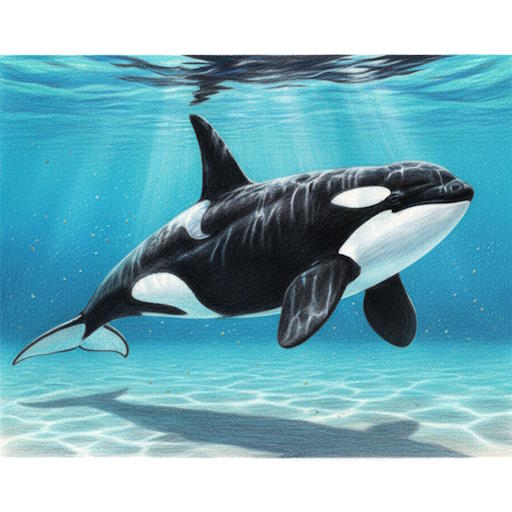
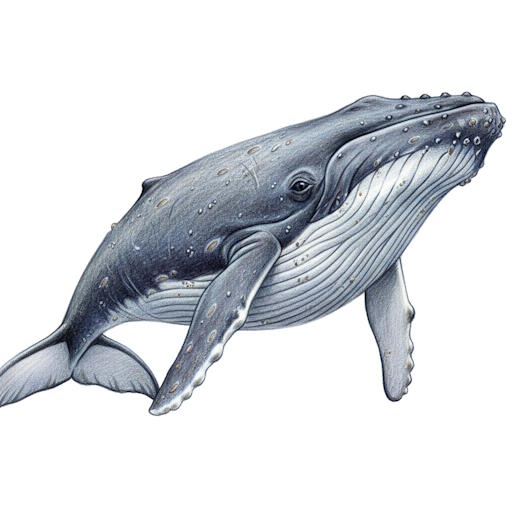
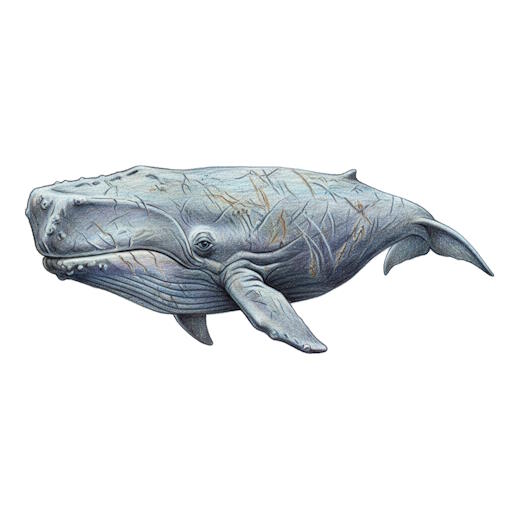
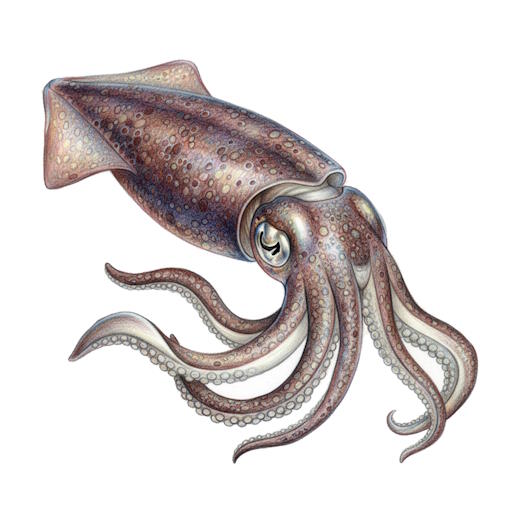
Animals which live in Oceans worldwide Habitat
Click on an image to learn more about one of the animals.