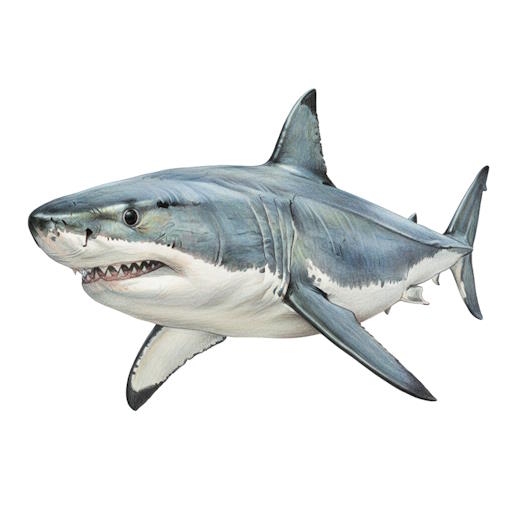
Offshore Temperate Waters
Offshore temperate waters are vast and dynamic marine environments characterized by moderate temperatures, typically ranging from 10°C to 20°C (50°F to 68°F). These productive ecosystems, found in the mid-latitudes of the world's oceans, support a remarkable diversity of marine life, making them crucial for global biodiversity and fisheries.
One of the defining features of offshore temperate waters is their high primary productivity. This is largely due to the upwelling of nutrient-rich deeper waters, often driven by prevailing winds and currents. This influx of nutrients, particularly nitrates and phosphates, fuels the growth of phytoplankton, the microscopic marine algae that form the base of the marine food web. The abundance of phytoplankton, in turn, supports large populations of zooplankton, small crustaceans, and other invertebrates that graze on these primary producers.
This rich foundation supports a complex trophic cascade. Schools of small pelagic fish, such as sardines, anchovies, and mackerel, thrive in these waters, feeding on zooplankton. These forage fish then become a vital food source for larger predators, including commercially important species like tuna, cod, and haddock. The presence of these fish also attracts a variety of marine mammals, such as dolphins, whales, and seals, as well as numerous seabird species, all of whom rely on the abundant food resources.
Offshore temperate waters are also characterized by significant seasonal changes. During spring and summer, increased sunlight and continued nutrient availability lead to massive phytoplankton blooms, creating vibrant and productive conditions. As autumn approaches, water temperatures begin to cool, and stratification can break down, leading to mixing and a redistribution of nutrients. Winter often sees lower productivity due to reduced sunlight and cooler temperatures, but still maintains a diverse community of cold-adapted species.
These habitats are vital for the life cycles of many marine species, serving as critical breeding, feeding, and migratory grounds. For example, many migratory fish and marine mammals travel thousands of kilometers through these waters to reach their seasonal destinations. The deep-sea areas within offshore temperate zones also harbor unique and less-understood communities, including chemosynthetic ecosystems around hydrothermal vents.
Despite their productivity and importance, offshore temperate waters face numerous threats. Overfishing, habitat degradation from destructive fishing practices, pollution from land-based sources and shipping, and the impacts of climate change, such as ocean warming and acidification, all pose significant challenges to the health and resilience of these ecosystems. Conservation efforts are crucial to protect these vital marine habitats and ensure their continued ability to support the vast array of life they sustain.
Other Habitats
There are lots of other habitats to explore. Check out all of our habitats for more info.
Animals which live in Offshore Temperate Waters Habitat
Click on an image to learn more about one of the animals.