Open country
Open country refers to vast, expansive landscapes that are generally free from dense forests, urban developments, or major geographical barriers. These habitats are characterized by their wide-open spaces, often featuring rolling hills, plains, or gently undulating terrain. The vegetation in open country typically consists of grasslands, scattered shrubs, and herbaceous plants, with trees being sparse or absent. This environment supports a diverse range of flora and fauna adapted to conditions of abundant sunlight, exposure to winds, and often, significant temperature fluctuations between day and night.
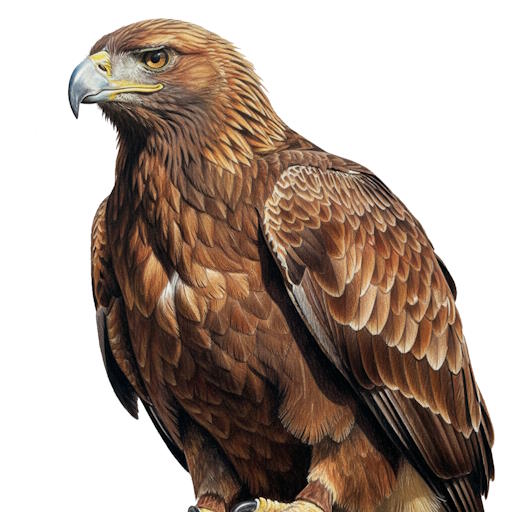
Ecologically, open country plays a vital role as a habitat for grazing animals, both wild and domestic. Large herbivores such as bison, antelope, kangaroos, and various species of deer thrive in these areas, relying on the extensive grasslands for sustenance. These grazers, in turn, support a network of predators, including wolves, coyotes, big cats, and raptors, which hunt in the open terrain. The lack of dense cover also makes these areas crucial for migratory birds, which use them for nesting, foraging, and resting during their long journeys.
Human interaction with open country has varied throughout history. Historically, these areas were often hunting grounds for early human societies. With the advent of agriculture, many open country landscapes were converted into farmlands or pastures for livestock. While this has significantly altered some ecosystems, carefully managed agricultural practices can still support a degree of biodiversity. In many parts of the world, efforts are underway to conserve and restore open country habitats, recognizing their ecological importance and the unique species they support. These conservation efforts often focus on sustainable land management, protection of key species, and the reintroduction of native vegetation.
From a recreational standpoint, open country offers opportunities for activities such as hiking, birdwatching, and photography. The expansive vistas and sense of freedom associated with these landscapes make them appealing for those seeking solitude and a connection with nature. However, it's important to approach these areas with respect for their delicate ecosystems, ensuring that human activities do not negatively impact the wildlife and natural processes at play.
In summary, open country habitats are dynamic and essential ecosystems characterized by their broad expanses, diverse vegetation, and support for a wide array of wildlife. Their continued health and preservation are crucial for global biodiversity and offer valuable natural spaces for both ecological and human well-being.
Other Habitats
There are lots of other habitats to explore. Check out all of our habitats for more info.
Animals which live in Open country Habitat
Click on an image to learn more about one of the animals.