Open plains
Open plains are vast, treeless landscapes characterized by their expansive, relatively flat terrain and dominant grass cover. These diverse ecosystems, also known as grasslands, prairies, steppes, or savannas depending on their geographic location and specific characteristics, are found across every continent except Antarctica. They represent a critical habitat for a wide array of wildlife and play a vital role in global ecological processes.
The defining feature of open plains is their vegetation, primarily composed of various species of grasses. The absence of a significant tree canopy is often due to factors such as low rainfall, frequent wildfires, or grazing by large herbivores. Despite their seemingly uniform appearance, these grasslands exhibit considerable biodiversity. They support a rich community of plants, including wildflowers, sedges, and forbs, which in turn provide sustenance and shelter for numerous animal species.
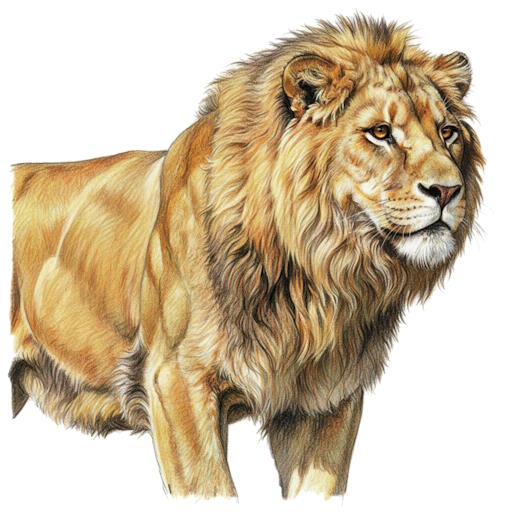
Open plains are home to some of the most iconic large herbivores on Earth, such as bison in North America, wildebeest and zebras in Africa, and kangaroos in Australia. These grazing animals are integral to the health of the grassland ecosystem, as their grazing patterns help maintain the balance of plant species and prevent the encroachment of woody vegetation. Predators like wolves, lions, and coyotes also thrive in these environments, preying on the abundant herbivores and contributing to the natural regulation of populations.
Beyond large mammals, open plains support a diverse range of smaller creatures. Numerous bird species, including ground-nesting birds, depend on the open spaces for foraging and breeding. Insects, reptiles, and amphibians also form an important part of the food web, contributing to nutrient cycling and serving as prey for other animals. The soils of open plains are often deep and fertile, making them highly productive for agriculture when converted, but also vulnerable to degradation if not managed sustainably.
Ecologically, open plains are crucial for carbon sequestration, as their extensive root systems store significant amounts of carbon in the soil. They also play a role in water filtration and regulation. However, these habitats face numerous threats, including habitat loss due to agriculture and urban development, overgrazing, invasive species, and climate change. Conservation efforts are essential to protect the remaining open plains and their unique biodiversity, ensuring the continued health of these vital global ecosystems.
Other Habitats
There are lots of other habitats to explore. Check out all of our habitats for more info.
Animals which live in Open plains Habitat
Click on an image to learn more about one of the animals.