Open woodlands
Open woodlands are captivating ecosystems characterized by widely spaced trees with a significant, often continuous, ground layer of grasses, shrubs, or wildflowers. Unlike dense forests, these habitats receive abundant sunlight, fostering a rich understory and supporting a diverse array of plant and animal life. They represent a transitional zone between closed forests and open grasslands, offering unique ecological niches that attract a variety of species.
The structure of open woodlands, with their scattered trees and open canopy, creates a microclimate distinct from both deeply shaded forests and exposed plains. This allows for greater light penetration, leading to increased photosynthetic activity in the understory. The dominant tree species vary widely depending on geographical location and climate, but common examples include oaks, pines, and various savanna trees. The ground cover often consists of resilient grasses adapted to periods of drought and fire, along with a mix of herbaceous plants and smaller woody shrubs.
Ecologically, open woodlands play a crucial role in biodiversity. The open structure provides excellent foraging opportunities for grazing and browsing animals, while the scattered trees offer shelter, nesting sites, and perches for birds. Many species of insects, reptiles, and small mammals also thrive in these environments, taking advantage of the diverse plant life and varied habitats. Fire is often a natural and vital component of open woodland ecosystems, helping to maintain their open structure by suppressing dense undergrowth and promoting the regeneration of fire-adapted plant species.
Human activities have significantly impacted open woodlands globally. In some regions, they have been converted for agriculture or urban development. In others, altered fire regimes, either through suppression or excessive burning, have led to changes in species composition and overall ecosystem health. Conservation efforts for open woodlands often focus on restoring natural fire patterns, managing invasive species, and promoting sustainable land-use practices to preserve these valuable and picturesque habitats.
Other Habitats
There are lots of other habitats to explore. Check out all of our habitats for more info.
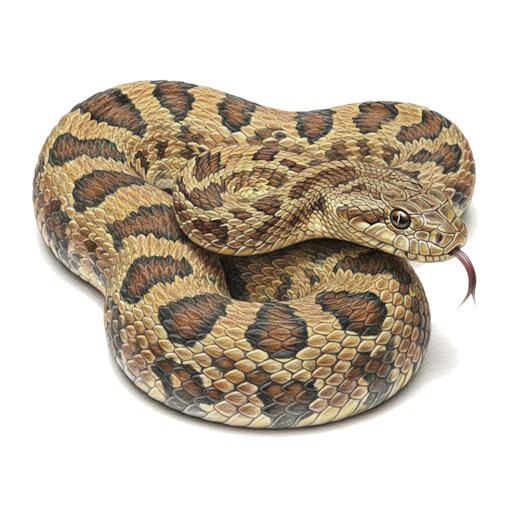
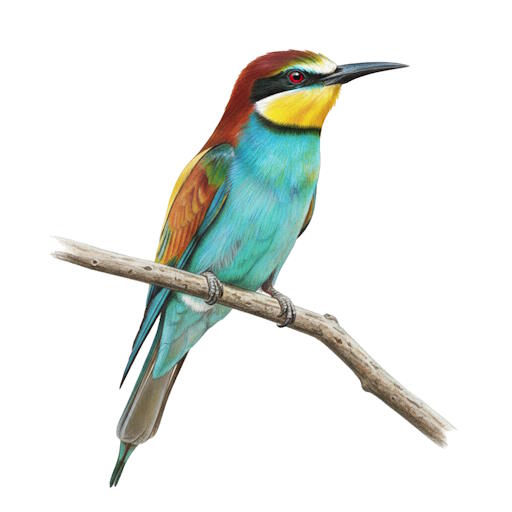
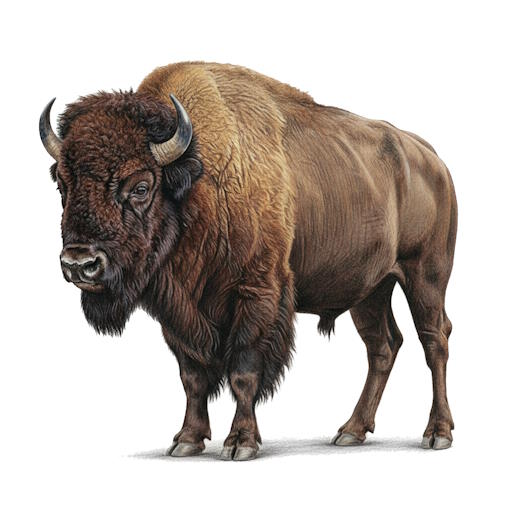
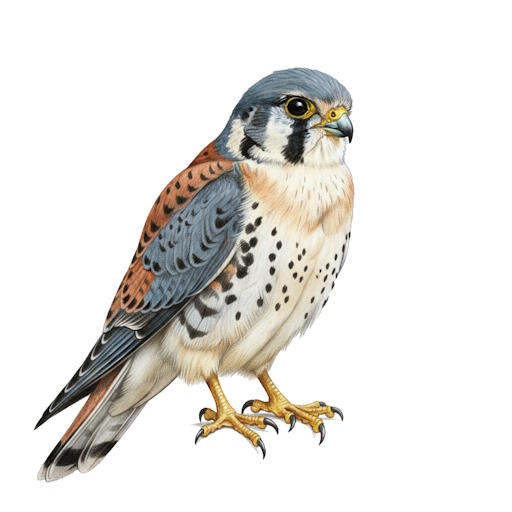
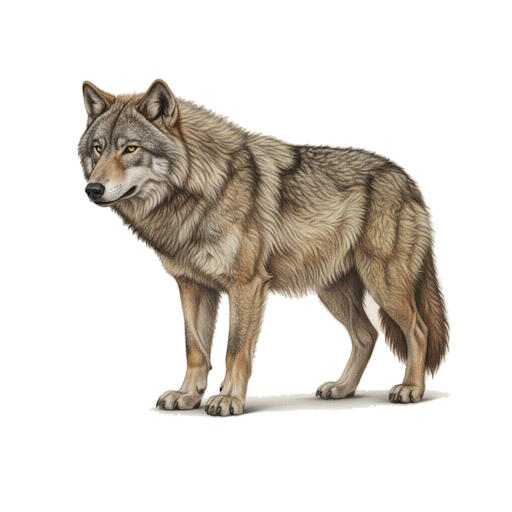
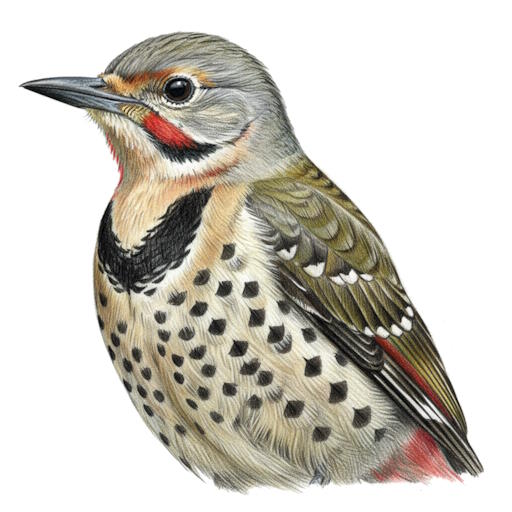
Animals which live in Open woodlands Habitat
Click on an image to learn more about one of the animals.