Pack ice
Pack ice, a dynamic and often majestic habitat, refers to any area of sea ice not attached to the shoreline, formed by the freezing of seawater and the accumulation of smaller ice floes into a vast, shifting expanse. This ever-changing environment is primarily found in the Arctic and Antarctic regions, playing a crucial role in global climate regulation and serving as a unique ecosystem for a variety of specialized marine life.
The formation and characteristics of pack ice are intrinsically linked to temperature and ocean currents. As seawater freezes, it forms individual ice crystals, which then coalesce into larger floes. These floes are constantly moved and reshaped by winds and currents, leading to the formation of ridges, hummocks, and open water leads. The thickness of pack ice can vary dramatically, from newly formed thin ice to multi-year ice that can be several meters thick. The presence of snow on top further insulates the ice, influencing its overall temperature and the dynamics of the underlying water.
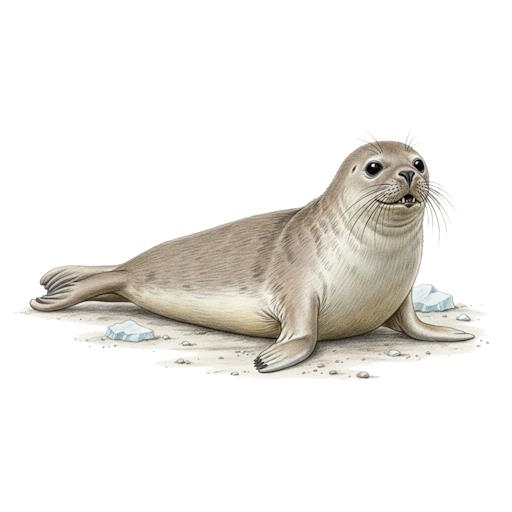
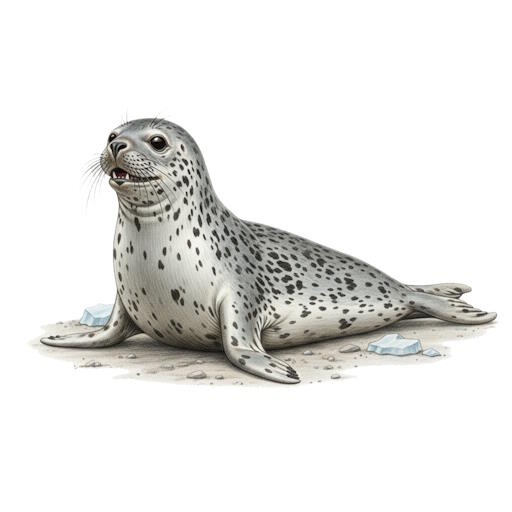
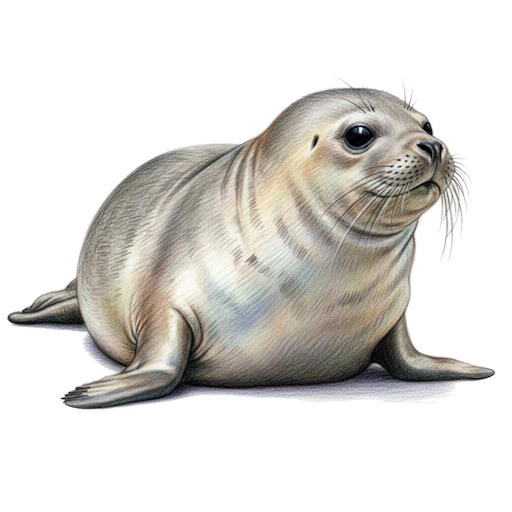
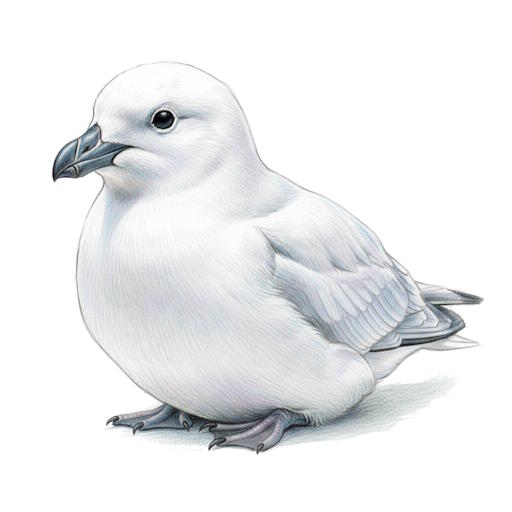
Despite its seemingly inhospitable nature, pack ice supports a surprisingly diverse array of life. Algae, particularly diatoms, thrive on the underside of the ice, forming the base of a cold-water food web. These ice algae are a vital food source for krill and other small crustaceans, which in turn sustain larger animals. Iconic Arctic species like polar bears depend heavily on pack ice for hunting seals, their primary prey. Seals, such as ringed seals and harp seals, use the ice as a platform for resting, breeding, and molting. Various seabirds also utilize pack ice for foraging and as resting spots during their long migrations.
The movement and seasonal changes of pack ice profoundly impact the species that inhabit it. As the ice melts in the summer, open water areas increase, providing opportunities for feeding and movement. Conversely, as winter approaches and the ice expands, animals may be forced to adapt to more restricted territories or embark on migrations. The dynamic nature of pack ice creates challenges but also unique opportunities for its inhabitants, leading to fascinating adaptations.
However, pack ice habitats are currently facing significant threats due to climate change. Rising global temperatures are leading to a reduction in both the extent and thickness of sea ice, particularly in the Arctic. This decline has profound implications for ice-dependent species, disrupting their hunting grounds, breeding sites, and migratory routes. Understanding and protecting pack ice is therefore not only crucial for the survival of these unique ecosystems but also for maintaining the delicate balance of our planet's climate.
Other Habitats
There are lots of other habitats to explore. Check out all of our habitats for more info.
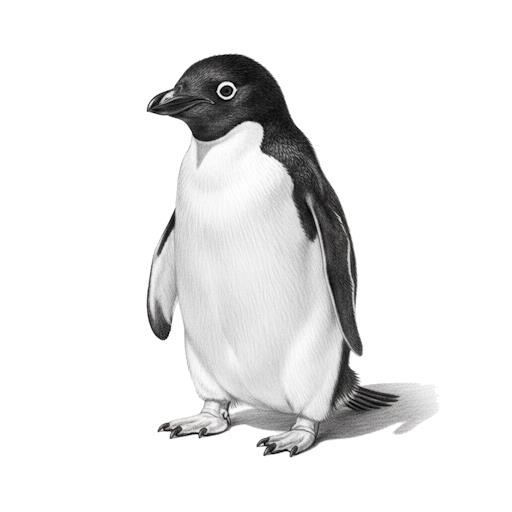
Animals which live in Pack ice Habitat
Click on an image to learn more about one of the animals.