Palm Savannas
Palm savannas are unique and captivating ecosystems characterized by open grasslands interspersed with a scattering of palm trees. These distinctive habitats are found in various tropical and subtropical regions around the world, particularly in parts of South America, Africa, and Australia. They represent a fascinating blend of savanna and forest characteristics, offering a diverse array of flora and fauna adapted to these specific conditions.
The dominant feature of palm savannas is, of course, the presence of various palm species. These palms, such as the iconic Carnaúba palm in Brazil or the African oil palm, are often resilient to fire and drought, allowing them to thrive in areas with distinct wet and dry seasons. The open grassland understory is typically dominated by various grasses, which provide grazing for herbivores and fuel for the natural fire regimes that often shape these landscapes.
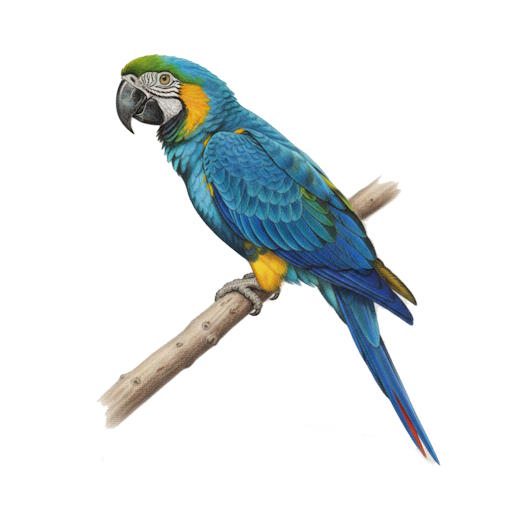
Palm savannas are incredibly biodiverse, supporting a wide range of animal life. Mammals such as capybaras, giant anteaters, and various deer species can be found grazing in the grasslands, while a multitude of bird species, including raptors and migratory birds, utilize the palms for nesting and perching. Reptiles and amphibians also thrive in these habitats, particularly near water sources that may be present.
The ecological importance of palm savannas extends beyond their biodiversity. They play a crucial role in water cycles, carbon sequestration, and soil health. The deep root systems of many palm species can access groundwater, helping to stabilize soils and prevent erosion. The regular occurrence of natural fires, while seemingly destructive, is often vital for maintaining the open structure of the savanna and preventing the encroachment of dense forest.
However, palm savannas face numerous threats, primarily from human activities. Agricultural expansion, cattle ranching, and unsustainable logging practices can lead to habitat fragmentation and degradation. Climate change, with its potential for altered rainfall patterns and increased fire intensity, also poses a significant risk to these delicate ecosystems. Conservation efforts are therefore paramount to protect these unique habitats and the invaluable biodiversity they support. This includes promoting sustainable land management, establishing protected areas, and raising awareness about the ecological significance of palm savannas.
Other Habitats
There are lots of other habitats to explore. Check out all of our habitats for more info.
Animals which live in Palm Savannas Habitat
Click on an image to learn more about one of the animals.