Pelagic marine environments
The pelagic marine environment, encompassing the open ocean far from shore and the seafloor, is the largest habitat on Earth, covering approximately 70% of the planet's surface. This vast, three-dimensional water column is characterized by its ever-changing nature, influenced by currents, temperature, salinity, and light penetration. Life in the pelagic zone is incredibly diverse, ranging from microscopic plankton to the largest animals on Earth, such as whales and giant squid.
Organisms in this environment have developed unique adaptations to survive in a water column with no solid surfaces for attachment. Many pelagic creatures are excellent swimmers, while others drift with the currents. Food availability can be sporadic, leading to complex food webs where energy flows from primary producers (phytoplankton) at the surface to a wide array of consumers throughout the water column. The euphotic zone, where sunlight penetrates, is teeming with photosynthetic life, forming the base of this intricate ecosystem.
Further down, in the dimly lit and dark zones, life continues, sustained by organic matter sinking from above or specialized adaptations like bioluminescence. The pelagic environment plays a crucial role in global climate regulation, acting as a massive carbon sink and influencing atmospheric processes. It is also vital for many migratory species, providing essential feeding grounds and migratory routes. However, this critical habitat faces numerous threats, including overfishing, plastic pollution, and climate change, which are impacting its delicate balance and the incredible biodiversity it supports.
Other Habitats
There are lots of other habitats to explore. Check out all of our habitats for more info.
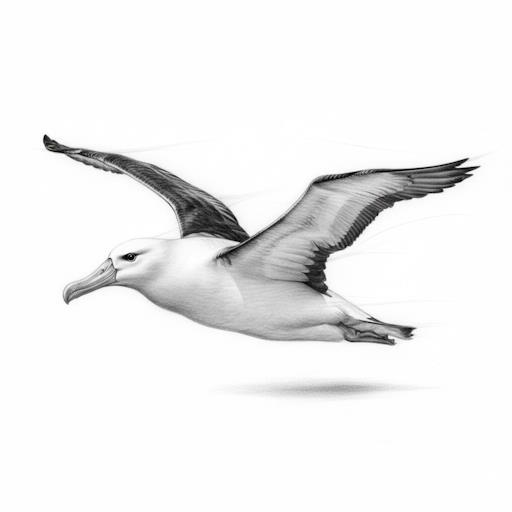
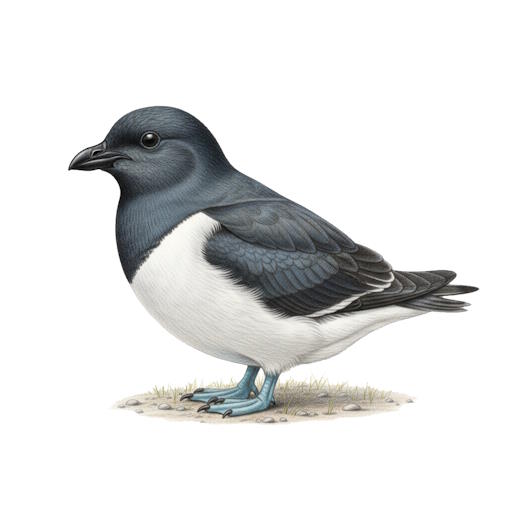
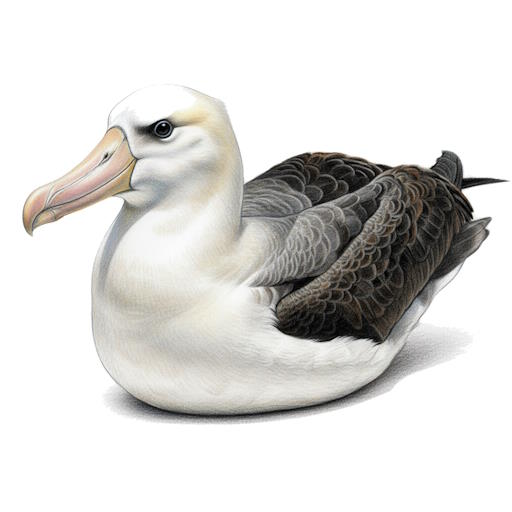
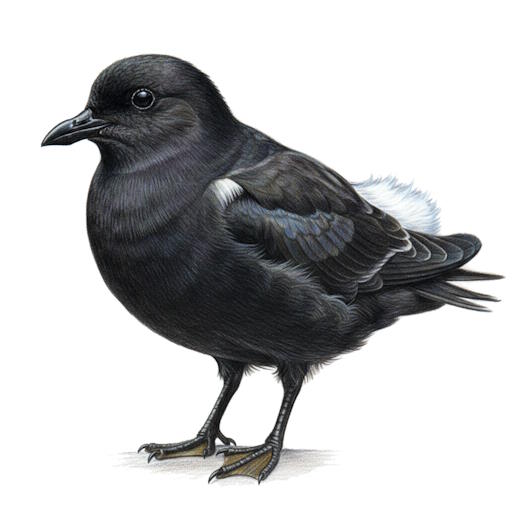
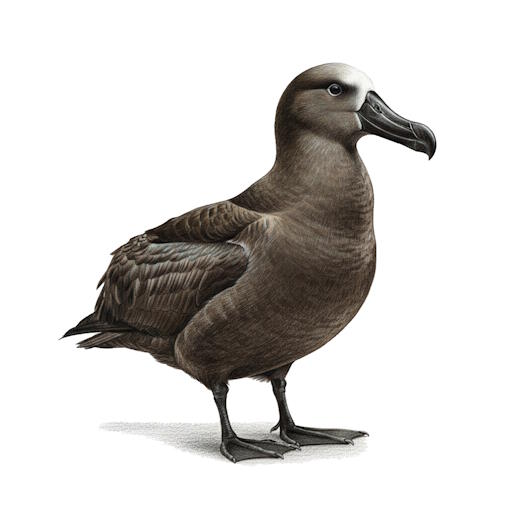
Animals which live in Pelagic marine environments Habitat
Click on an image to learn more about one of the animals.