Ponds
Ponds, often overlooked in their humble scale, are in fact incredibly diverse and dynamic freshwater habitats that play a vital role in local ecosystems. These typically small, shallow bodies of standing water, which can be naturally formed or man-made, are characterized by a unique interplay of aquatic and terrestrial elements. Unlike lakes, ponds usually have a uniform temperature from top to bottom and support rooted aquatic plants across their entire surface, making them rich in biodiversity.
Ecological Significance of Ponds
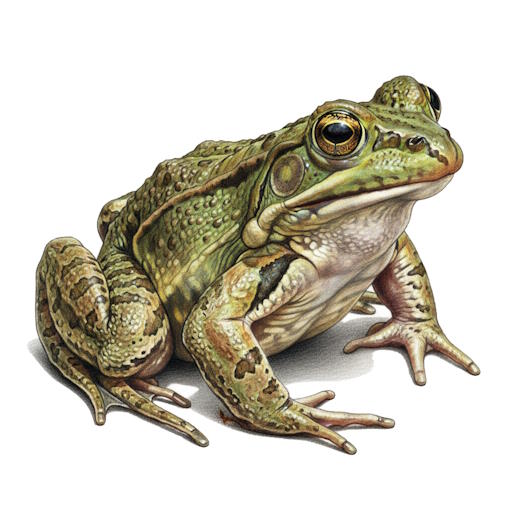
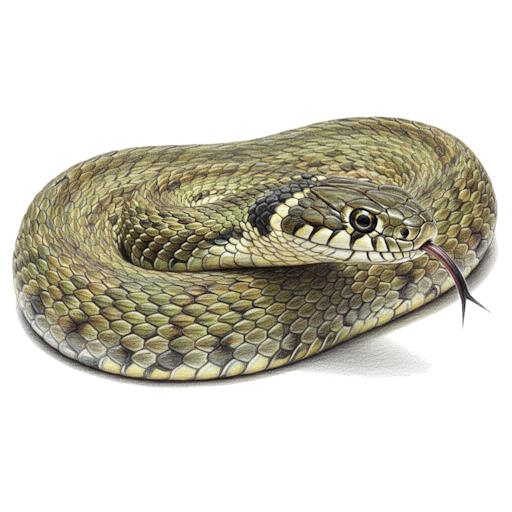
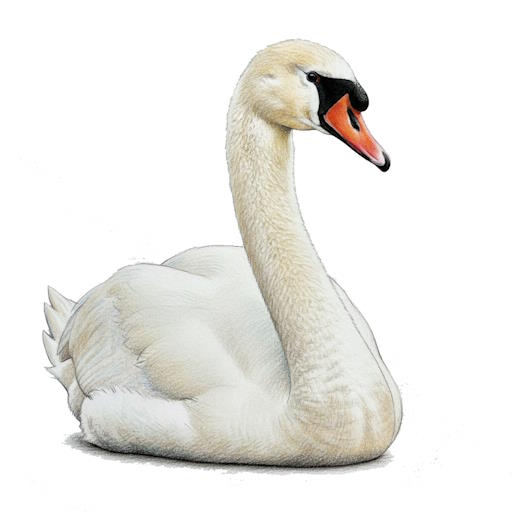
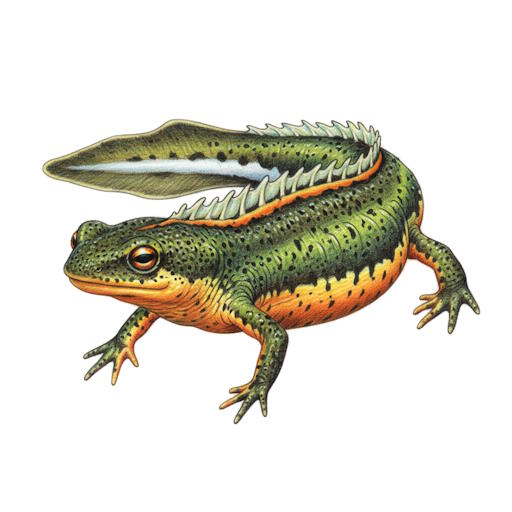
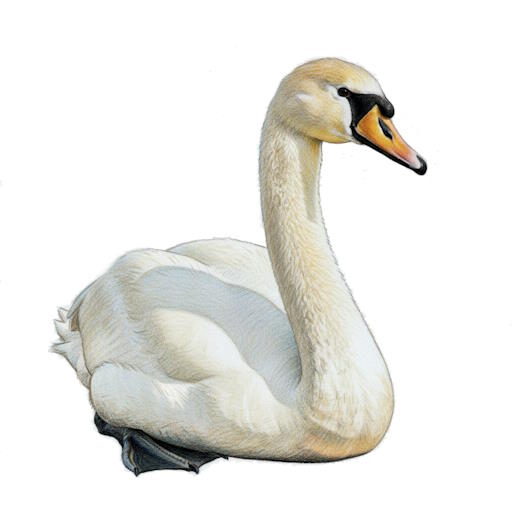
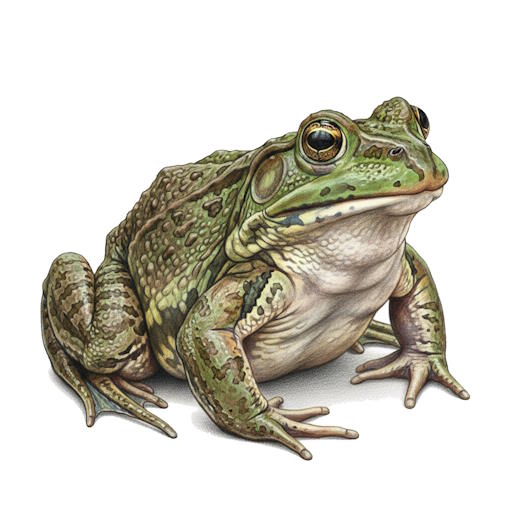
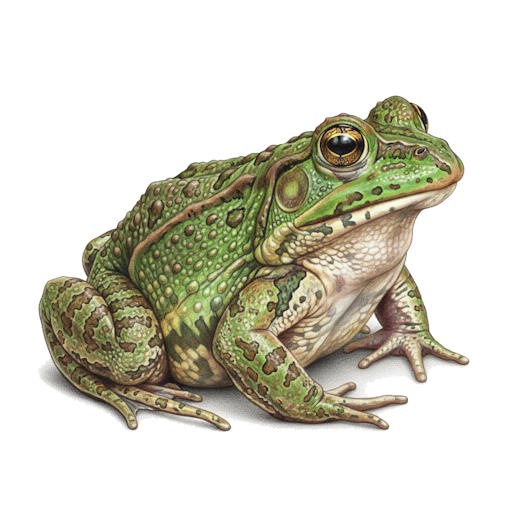
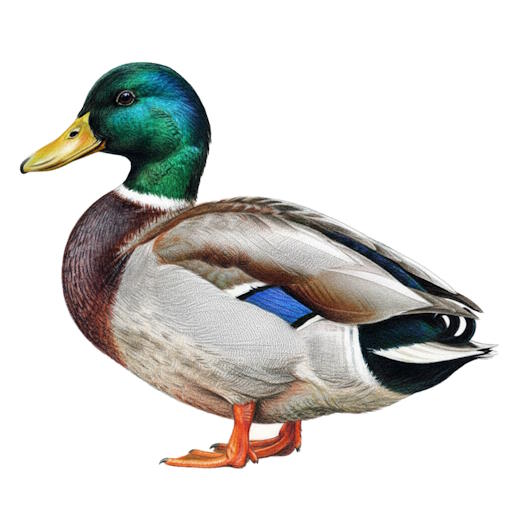
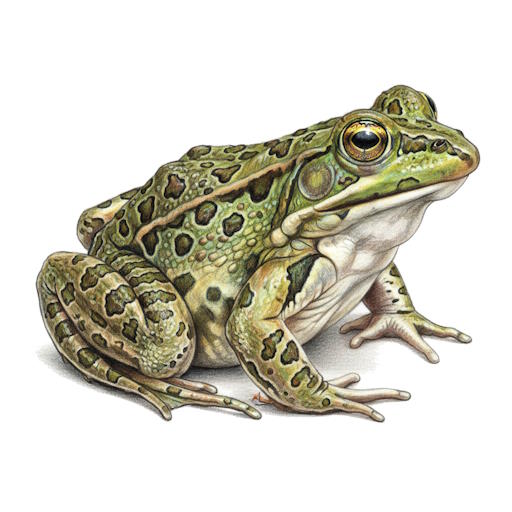
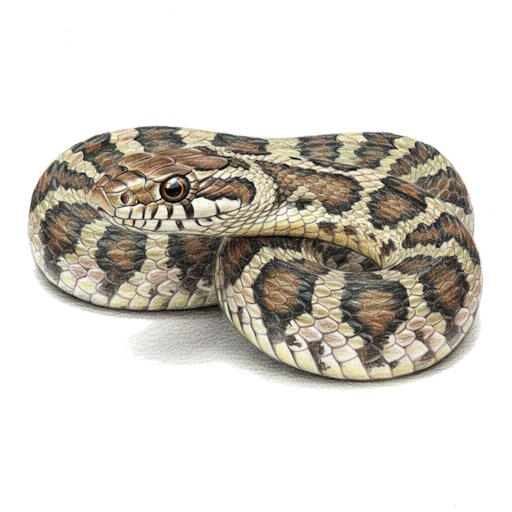
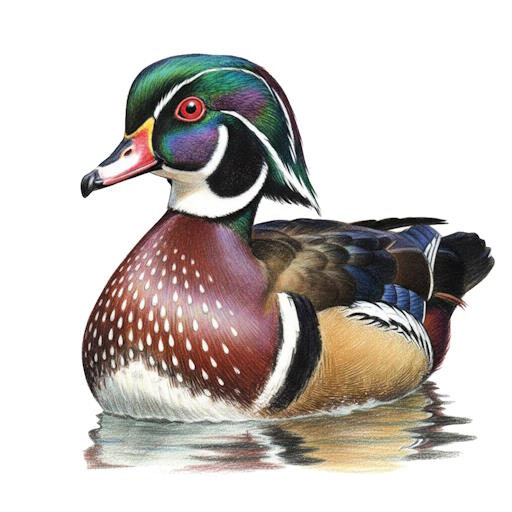
Ponds are critical habitats for a vast array of flora and fauna. From microscopic plankton and insects to amphibians, reptiles, fish, and various bird species, ponds provide essential breeding grounds, feeding areas, and shelter. The still or slow-moving water allows for the accumulation of nutrients, fostering a rich food web. Invertebrates like dragonflies, damselflies, and diving beetles thrive in these environments, serving as a primary food source for larger predators. Amphibians such as frogs, toads, and newts rely on ponds for their larval stages, returning year after year to reproduce.
Characteristics and Formation
Ponds can form through various geological processes, including glacial meltwater, depressions in the landscape, or even through the actions of animals like beavers. Man-made ponds, often created for agricultural purposes, recreation, or aesthetic appeal, also contribute significantly to the aquatic landscape. Their shallow nature means they are more susceptible to seasonal changes in water levels and temperature compared to larger bodies of water. This fluctuation can lead to unique adaptations among pond inhabitants.
Challenges and Conservation
Despite their ecological importance, ponds face numerous threats. Pollution from agricultural runoff, industrial discharge, and urban development can severely degrade water quality, harming aquatic life. Habitat loss due to land conversion and fragmentation also poses a significant danger. Conservation efforts focus on protecting existing ponds, restoring degraded ones, and creating new ones. Maintaining natural buffers around ponds, reducing chemical use in surrounding areas, and controlling invasive species are crucial steps in ensuring the continued health and biodiversity of these essential freshwater ecosystems.
Ponds in the Landscape
Beyond their ecological value, ponds offer significant aesthetic and recreational benefits. They can enhance landscapes, provide opportunities for fishing, birdwatching, and nature observation, and contribute to local water management. Understanding and appreciating the intricate life within ponds is key to their preservation, allowing these vibrant microcosms to continue supporting a wealth of life for generations to come.
Other Habitats
There are lots of other habitats to explore. Check out all of our habitats for more info.
Animals which live in Ponds Habitat
Click on an image to learn more about one of the animals.