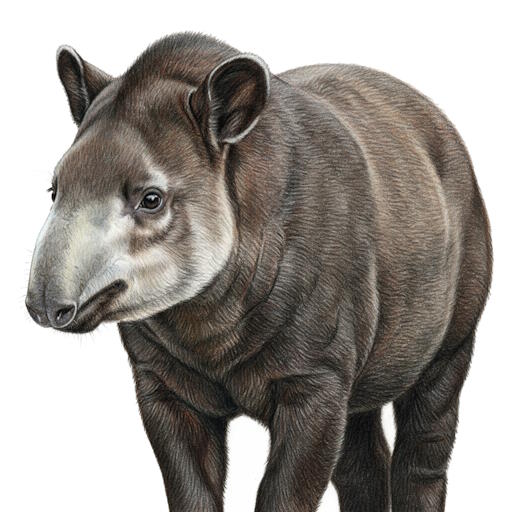
Páramo
The Páramo is a unique and vital high-altitude ecosystem found in the Andes mountains of South America, primarily spanning across Venezuela, Colombia, Ecuador, Peru, and Bolivia. This neotropical alpine biome is characterized by its distinctive flora, cold and humid climate, and significant ecological role, particularly in water regulation.
Typically situated above the continuous treeline and below the permanent snowline, páramos exist at elevations generally ranging from 3,000 to 5,000 meters (approximately 9,800 to 16,400 feet). The climate is notoriously harsh, featuring daily fluctuations between freezing temperatures at night and mild, often sunny, conditions during the day. Frequent fog and high humidity are common, contributing to the defining characteristics of this habitat. These conditions lead to a unique hydrological cycle, where páramos act as natural sponges, absorbing moisture from clouds and rainfall and slowly releasing it into rivers and streams, making them critical sources of fresh water for downstream communities and ecosystems.
The vegetation of the páramo is highly adapted to its extreme environment. Iconic plant species include the "frailejón" (Espeletia spp.), a genus of plants endemic to the northern Andes, which plays a crucial role in water capture and soil stabilization. Other common plants include tussock grasses, cushion plants, and a variety of low-growing shrubs and herbs, many of which exhibit specialized features like hairy leaves or compact growth forms to cope with the cold, intense UV radiation, and strong winds.
Despite the challenging conditions, the páramo supports a surprising diversity of wildlife. Mammals such as the Andean bear, puma, and various species of deer can be found, alongside a rich birdlife including the majestic Andean condor. Many invertebrate species, including unique insects and spiders, also call the páramo home. The biodiversity, though perhaps less obvious than in lowland rainforests, is highly specialized and often endemic.
Ecologically, the páramo is invaluable. Beyond its role as a water factory, it stores vast amounts of carbon in its peat soils, making it a significant natural carbon sink. This also means that disturbances to páramo ecosystems can release substantial amounts of greenhouse gases into the atmosphere. The ecosystem also provides essential services such as soil stabilization, preventing erosion, and maintaining regional climatic patterns.
However, páramos face numerous threats, including agricultural expansion, cattle grazing, mining, climate change, and unsustainable tourism. These activities can degrade the fragile soil, disrupt hydrological cycles, and threaten the unique species that depend on this habitat. Conservation efforts are crucial to protect these irreplaceable ecosystems and ensure the continued provision of their vital services for both nature and human populations.
Other Habitats
There are lots of other habitats to explore. Check out all of our habitats for more info.
Animals which live in Páramo Habitat
Click on an image to learn more about one of the animals.