Rocky
Rocky Habitats: A World of Enduring Beauty and Unique Biodiversity
Rocky habitats, characterized by their dominant geological features such as exposed bedrock, boulders, cliffs, and rocky outcrops, represent some of Earth's most ancient and resilient landscapes. These environments, found across diverse climates and elevations, from soaring mountain ranges to rugged coastlines and arid deserts, present unique challenges and opportunities for the flora and fauna that call them home. The defining characteristic of rocky habitats is, of course, the rock itself, its composition, age, and formation history shaping the very essence of the ecosystem.
Geological Diversity and Formation
The rocks that define these habitats vary widely. Igneous rocks, formed from volcanic activity, include granite and basalt, often creating dramatic, dark cliffs or vast, weathered plains. Sedimentary rocks like sandstone and limestone, formed from compressed layers of sediment, can result in intricate canyons, arches, and layered slopes. Metamorphic rocks, transformed by heat and pressure, contribute to the diverse textures and colors found in many mountainous rocky regions. Erosion by wind, water, and ice plays a crucial role in shaping these formations, carving out fissures, crevices, and ledges that become microhabitats for specialized life forms.
Life in the Rocks: Adaptation and Resilience
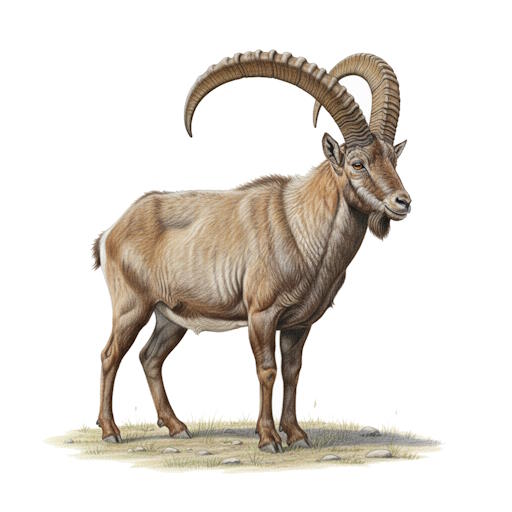
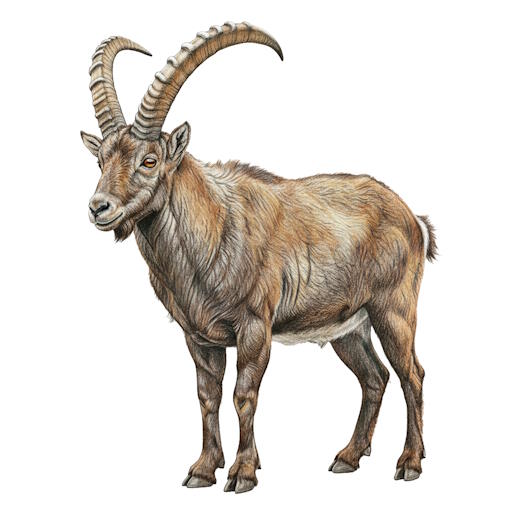
Life in rocky habitats demands remarkable adaptation. Plants often exhibit specialized root systems that can penetrate tiny cracks to find purchase and moisture, or possess succulence to store water in arid rocky deserts. Lichens, tough and pioneering organisms, are frequently the first colonizers, slowly breaking down rock surfaces and paving the way for other plant life. Animals, too, display unique adaptations. Mountain goats and bighorn sheep navigate steep, precarious cliffs with incredible agility, while reptiles and insects often blend seamlessly with the rocky surroundings. Many bird species, such as eagles and falcons, utilize high cliff faces for nesting and hunting vantage points. Caves and rock shelters provide crucial refuge from extreme weather and predators for a variety of creatures, from bats to bears.
Ecological Importance and Human Interaction
Rocky habitats are vital for maintaining biodiversity and ecological balance. They often act as water catchment areas, channeling rainfall into streams and rivers, and their exposed surfaces can provide important insights into geological history. While seemingly barren, these environments contribute significantly to the global ecosystem. However, human activities can impact these fragile areas. Quarrying, mining, and uncontrolled tourism can lead to habitat degradation and loss of biodiversity. Conservation efforts in rocky habitats focus on protecting their unique geological formations, supporting their specialized ecosystems, and promoting sustainable human interaction to ensure their enduring beauty and ecological value for future generations. Exploring a rocky habitat offers a profound connection to the raw power and ancient history of our planet, revealing a world where life thrives against all odds.
Other Habitats
There are lots of other habitats to explore. Check out all of our habitats for more info.
Animals which live in Rocky Habitat
Click on an image to learn more about one of the animals.