Rocky Alpine Areas
Rocky Alpine Areas are high-altitude ecosystems characterized by their dramatic, exposed landscapes, harsh weather conditions, and sparse, specialized vegetation. These formidable environments, typically found above the treeline in major mountain ranges across the globe, are defined by their rocky terrain, strong winds, intense solar radiation, and extreme temperature fluctuations. Despite these challenging conditions, rocky alpine areas teem with unique and remarkably adapted flora and fauna.
Geological Grandeur and Climate Extremes
The geology of rocky alpine areas is often a spectacle of ancient rock formations, shaped by millennia of glacial activity, erosion, and tectonic forces. Towering peaks, jagged ridges, and deep valleys are common features. The climate is undeniably extreme; short, cool summers give way to long, brutally cold winters with heavy snowfall. Precipitation often falls as snow, and strong winds can create blizzard conditions even during the warmer months. The thin atmosphere at these elevations offers less protection from ultraviolet radiation, further adding to the environmental stresses.
Life Adapted to the Limits
Life in rocky alpine areas is a testament to nature's resilience. Plants found here, such as cushion plants, alpine grasses, and dwarf shrubs, have evolved remarkable adaptations to survive. They often grow low to the ground to avoid wind, have small, waxy leaves to reduce water loss, and possess extensive root systems to anchor themselves in rocky soil. Many alpine plants also exhibit vibrant blooms during their brief growing season, attracting a specialized array of pollinators.
Iconic Alpine Inhabitants
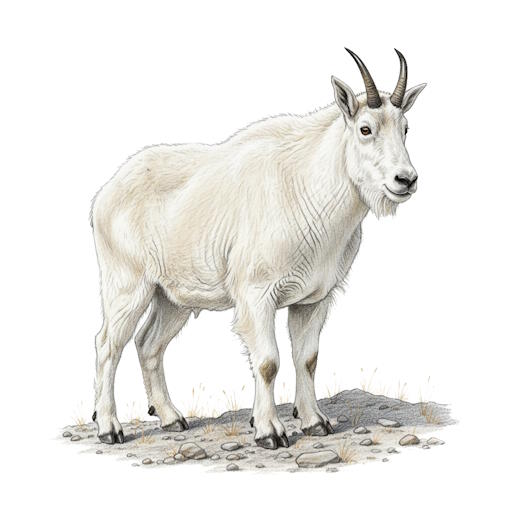
Wildlife in rocky alpine areas is equally specialized. Mammals like mountain goats, bighorn sheep, and marmots are equipped with sturdy builds and thick coats to withstand the cold, and their agility allows them to navigate treacherous terrain. Birds of prey, such as eagles and falcons, soar effortlessly on the updrafts, hunting for small rodents and other alpine creatures. Insects, often highly melanized to absorb warmth, also play a vital role in these ecosystems.
Ecological Significance and Conservation
Rocky alpine areas are not just breathtakingly beautiful; they are also ecologically significant. They act as vital water sources, with snowmelt feeding rivers and streams that sustain communities and ecosystems at lower elevations. These habitats are also sensitive indicators of climate change, as rising temperatures can lead to significant shifts in vegetation zones and impact species adapted to specific cold conditions. Conservation efforts are crucial to protect these unique and fragile environments and the resilient life forms that call them home. Exploring rocky alpine areas offers a profound appreciation for nature's ability to thrive in the most demanding conditions.
Other Habitats
There are lots of other habitats to explore. Check out all of our habitats for more info.
Animals which live in Rocky Alpine Areas Habitat
Click on an image to learn more about one of the animals.