Rocky Areas
Rocky areas, characterized by their geological formations and rugged terrain, represent a diverse and often challenging habitat for a variety of flora and fauna. These environments can range from towering mountain peaks and dramatic cliff faces to expansive rocky deserts and coastal outcroppings, each presenting unique ecological niches.
One of the defining features of rocky habitats is the prevalence of exposed rock, which can be igneous, sedimentary, or metamorphic in origin. This rock provides structural complexity, offering shelter in the form of cracks, crevices, and caves. It also influences soil development, often leading to thin, nutrient-poor soils or no soil at all, which dictates the type of plant life that can thrive here. Specialized plants, known as lithophytes, are adapted to grow directly on rock surfaces, drawing nutrients from dust, rainwater, and decaying organic matter.
Animal life in rocky areas has evolved remarkable adaptations to cope with extreme temperatures, limited water availability, and sparse vegetation. Mountain goats and bighorn sheep are well-known for their incredible agility on steep, rocky slopes, while birds of prey like eagles and falcons utilize high perches for hunting. Reptiles and insects often seek refuge in the shade of rocks during the hottest parts of the day. In many rocky habitats, such as deserts with rocky outcrops, unique microclimates exist within crevices, providing essential refugia for species during harsh conditions.
Beyond their role as critical habitats, rocky areas are also significant for their geological and cultural importance. They offer insights into Earth's history through rock formations, fossils, and mineral deposits. Many indigenous cultures have deep connections to rocky landscapes, considering them sacred sites or sources of essential resources. From the dramatic cliffs of the Grand Canyon to the iconic peaks of the Himalayas, rocky areas stand as testaments to the powerful forces that shape our planet and the resilience of life within them.
Understanding and conserving rocky habitats is crucial for maintaining biodiversity and preserving these unique ecosystems. Their distinct characteristics contribute significantly to global ecological diversity, making them invaluable for scientific study and appreciation.
Other Habitats
There are lots of other habitats to explore. Check out all of our habitats for more info.
Animals which live in Rocky Areas Habitat
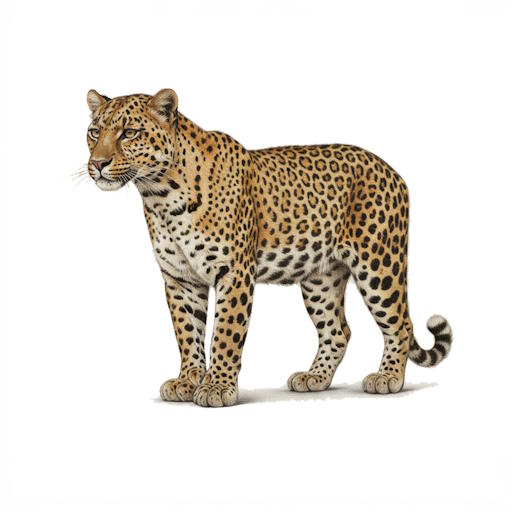
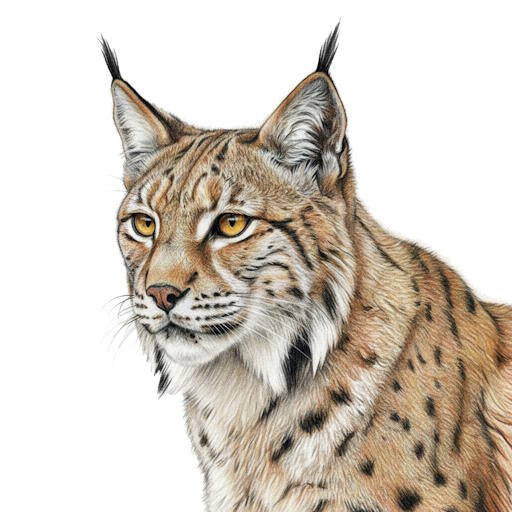
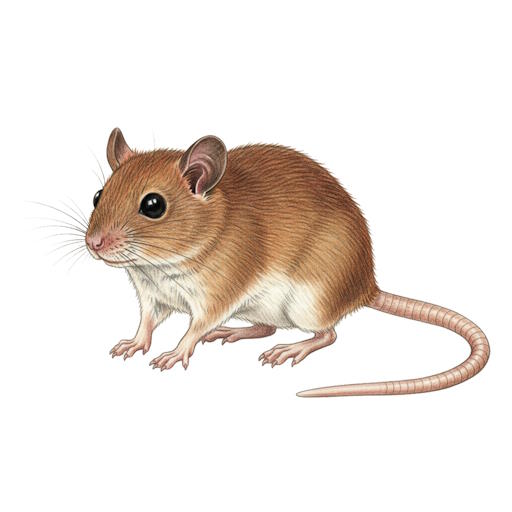
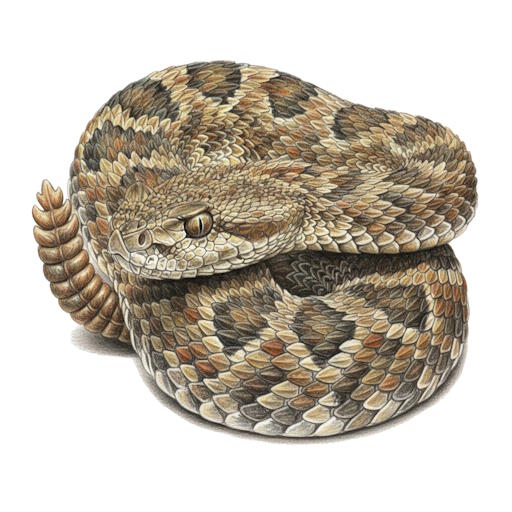
Click on an image to learn more about one of the animals.