Rocky Hillsides
Rocky hillsides, often characterized by their steep inclines and exposed rock formations, are unique habitats that support a surprising array of life. These environments can be found across the globe, from arid desert fringes to temperate forests, and even within mountainous regions. The defining feature, as the name suggests, is the prevalence of rock—bedrock, boulders, scree, and talus—which dictates the soil composition, water retention, and microclimates. Despite what might seem like harsh conditions, many species have evolved specific adaptations to thrive in these challenging landscapes.
Flora of Rocky Hillsides
Plant life on rocky hillsides often consists of hardy, drought-tolerant species that can anchor themselves in shallow, nutrient-poor soils or exploit crevices for root penetration. Lichens and mosses are frequently the pioneers, colonizing bare rock and slowly contributing to soil formation. Succulents, cacti, and various types of shrubs are common in drier rocky hillside habitats, while in more temperate or humid areas, you might find ferns, resilient grasses, and even some specialized trees with shallow but widespread root systems. Plants here often exhibit characteristics like small leaves, waxy coatings, or deep taproots to conserve water and withstand harsh winds.
Fauna of Rocky Hillsides
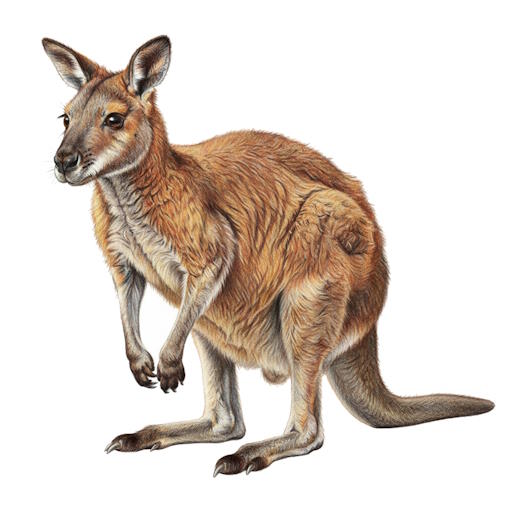
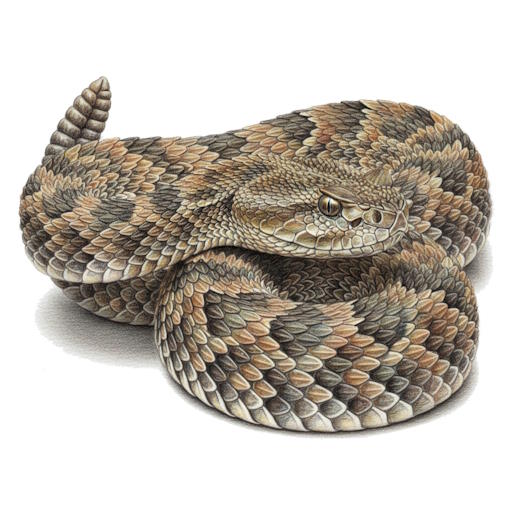
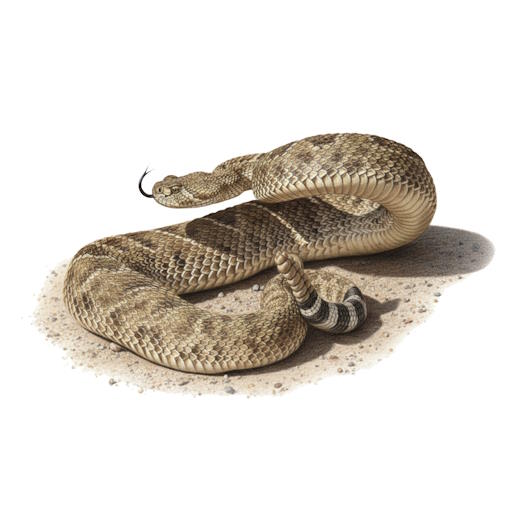
Animals inhabiting rocky hillsides are often agile and well-adapted to navigating uneven terrain. Mountain goats and bighorn sheep are classic examples, with hooves designed for gripping steep surfaces. Reptiles, such as various lizards and snakes, often bask on sun-warmed rocks, finding shelter in rock crevices. Birds of prey frequently nest on high ledges, utilizing the updrafts created by the topography for hunting. Small mammals like pikas and marmots often burrow among the rocks, creating intricate underground networks for shelter and raising young. Insects and arachnids also find niches within these habitats, contributing to the diverse ecosystem.
Ecological Importance and Challenges
Rocky hillsides play an important ecological role. They can act as natural corridors, connecting different habitat types, and their varied topography creates microclimates that support a greater diversity of species than more uniform landscapes. They are often less disturbed by human development due to their challenging terrain, serving as important refuges for wildlife. However, these habitats are also vulnerable to erosion, especially when vegetation cover is sparse, and are susceptible to the impacts of climate change, which can alter precipitation patterns and temperature extremes. Conservation efforts in these areas often focus on maintaining natural vegetation and preventing overgrazing to preserve the stability and biodiversity of these resilient ecosystems.
Other Habitats
There are lots of other habitats to explore. Check out all of our habitats for more info.
Animals which live in Rocky Hillsides Habitat
Click on an image to learn more about one of the animals.