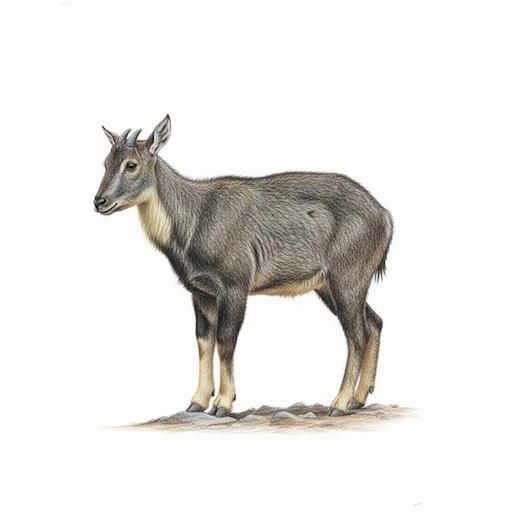
Rocky Mountain Slopes
Rocky Mountain Slopes are characterized by their dramatic elevation changes, diverse ecological zones, and rugged terrain. These slopes are an integral part of the Rocky Mountains, one of North America's most iconic and extensive mountain ranges, stretching from British Columbia in Canada to New Mexico in the United States. The unique combination of altitude, climate, and geology creates a mosaic of habitats, supporting a wide array of plant and animal life adapted to these challenging conditions.
The lower elevations of Rocky Mountain Slopes often feature coniferous forests, dominated by species like lodgepole pine, Douglas fir, and ponderosa pine. As elevation increases, these forests transition into subalpine zones, where Engelmann spruce and subalpine fir thrive. The tree line marks the point where trees can no longer grow due to harsh winds, cold temperatures, and short growing seasons. Above the tree line lies the alpine tundra, a treeless biome characterized by low-growing plants, wildflowers, and resilient grasses. This high-altitude environment is home to specialized flora and fauna, including marmots, pikas, and bighorn sheep, all adapted to survive the extreme conditions.
Geologically, Rocky Mountain Slopes are shaped by millions of years of tectonic activity, glaciation, and erosion. The landscape is a testament to powerful natural forces, with towering peaks, steep cliffs, and deep valleys. The rocks themselves tell a story of ancient oceans, volcanic activity, and massive uplifting events. The varying geological formations also influence soil composition, which in turn affects the types of vegetation that can grow.
Water is a crucial element on Rocky Mountain Slopes. Snowmelt from the high peaks feeds countless streams, rivers, and alpine lakes, providing vital water resources for both the immediate ecosystem and downstream regions. These waterways carve intricate patterns into the landscape, creating diverse microhabitats and supporting aquatic life. The presence of water also contributes to the lushness of certain areas, even within an otherwise rugged environment.
Rocky Mountain Slopes offer breathtaking scenic beauty and are important areas for biodiversity conservation. They provide critical habitats for large mammals such as elk, deer, moose, and various predators like mountain lions and black bears. Bird species, including raptors and migratory birds, also utilize these slopes for nesting, foraging, and stopover points. The preservation of these slopes is essential for maintaining the ecological balance and natural heritage of the Rocky Mountain region.
The human presence on Rocky Mountain Slopes is varied, ranging from recreational activities like hiking, skiing, and mountaineering to resource extraction and settled communities. Sustainable management practices are vital to balance human use with the conservation of these sensitive ecosystems. Protecting the natural integrity of Rocky Mountain Slopes ensures that future generations can continue to appreciate their grandeur and ecological significance.
Other Habitats
There are lots of other habitats to explore. Check out all of our habitats for more info.
Animals which live in Rocky Mountain Slopes Habitat
Click on an image to learn more about one of the animals.