Rocky mountainous regions
Rocky mountainous regions are some of the most dramatic and awe-inspiring landscapes on Earth, characterized by their towering peaks, rugged terrain, and often harsh environmental conditions. These habitats are sculpted by geological forces, including tectonic plate collisions and volcanic activity, leading to the uplift of colossal rock formations. Erosion by wind, water, and ice further carves out deep valleys, sharp ridges, and exposed rock faces, creating a visually stunning and geologically diverse environment. From the iconic jagged peaks of the Himalayas to the ancient, weathered ranges of the Appalachians, rocky mountainous regions offer a unique blend of grandeur and challenge.
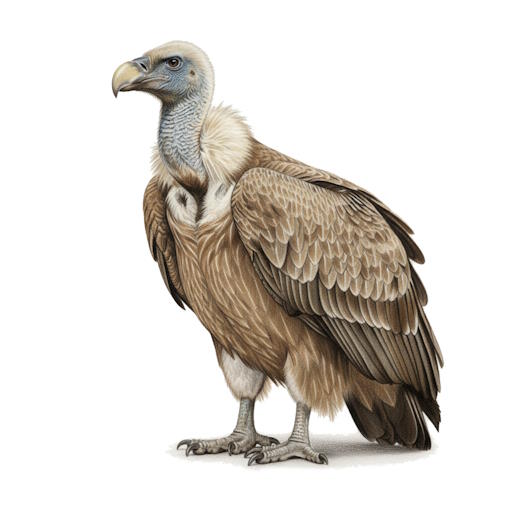
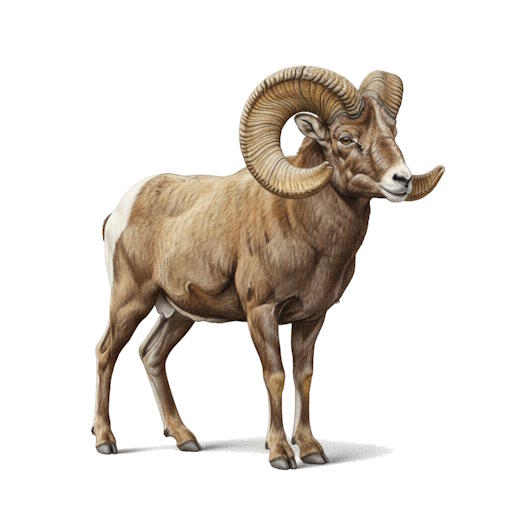
Life in these extreme environments demands remarkable adaptations from both flora and fauna. High altitudes often mean colder temperatures, thinner air, and intense ultraviolet radiation. Precipitation can vary wildly, from heavy snowfall in winter to arid conditions on leeward slopes. Specialized plant species, such as alpine grasses, cushion plants, and tenacious conifers, have evolved to cling to sparse soil, withstand strong winds, and survive freezing temperatures. Animals, including mountain goats, bighorn sheep, marmots, and various raptors, possess physical and behavioral adaptations like thick coats, agile climbing abilities, and hibernation strategies to thrive in this challenging landscape.
Despite their ruggedness, rocky mountainous regions are vital for global ecosystems and human well-being. They act as critical water towers, storing vast amounts of snow and ice that melt to feed rivers and supply water to lowland communities. These areas also serve as biodiversity hotspots, providing refuge for numerous endemic and endangered species that cannot survive elsewhere. Furthermore, rocky mountains offer invaluable recreational opportunities, attracting climbers, hikers, and nature enthusiasts from around the world. Their stark beauty and the sense of isolation they provide offer a powerful connection to the raw power of nature. However, these fragile ecosystems are increasingly vulnerable to climate change, which impacts snowmelt patterns and accelerates erosion, as well as human activities like mining and development, highlighting the urgent need for conservation efforts.
Other Habitats
There are lots of other habitats to explore. Check out all of our habitats for more info.
Animals which live in Rocky mountainous regions Habitat
Click on an image to learn more about one of the animals.