Rocky slopes
Rocky slopes are distinctive and challenging habitats found in mountainous and hilly regions across the globe. These environments are characterized by steep inclines, exposed rock formations, and thin, often nutrient-poor soils. Despite their harsh appearance, rocky slopes teem with life, hosting a unique array of flora and fauna specially adapted to these extreme conditions.
Geological Characteristics of Rocky Slopes
The geology of rocky slopes plays a crucial role in shaping their ecosystems. The exposed bedrock, which can be igneous, metamorphic, or sedimentary, influences soil composition, water retention, and nutrient availability. Erosion, caused by wind, water, and ice, constantly reshapes these landscapes, creating crevices, ledges, and scree slopes that provide microhabitats for various species. The steepness of the terrain also affects sun exposure and drainage, leading to significant variations in temperature and moisture even over short distances.
Biodiversity and Adaptations
Life on rocky slopes requires remarkable adaptations. Plants often exhibit specialized root systems that can anchor them to the rocks and access scarce water and nutrients. Many are drought-resistant, with succulent leaves or waxy coatings to minimize water loss. Examples include various species of ferns, mosses, lichens, and hardy wildflowers that cling to the rock faces. Trees and shrubs, if present, are typically stunted and gnarled, their growth constrained by the harsh conditions.
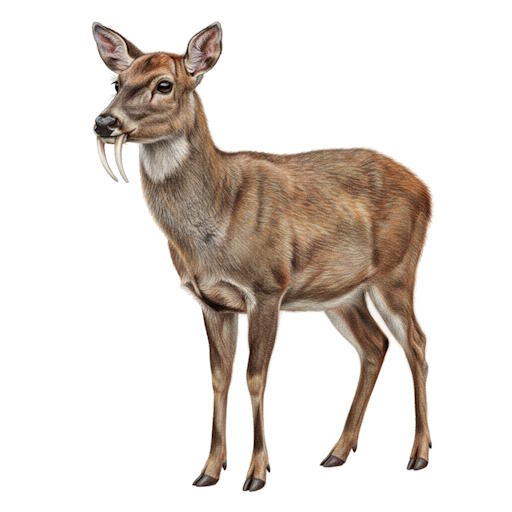
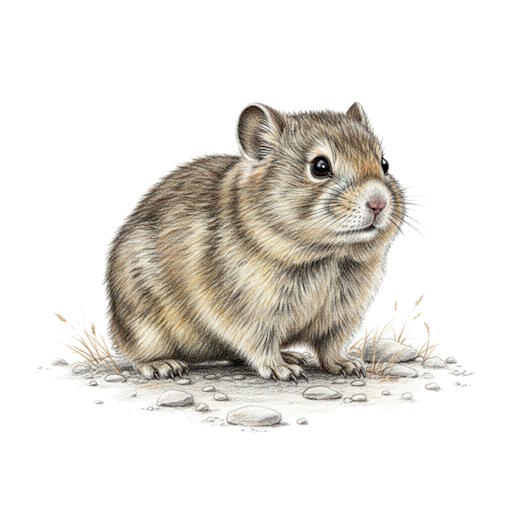
Animals inhabiting rocky slopes also possess unique adaptations for survival. Mountain goats and bighorn sheep are renowned for their incredible agility, allowing them to navigate treacherous rocky terrain with ease. Birds of prey, such as eagles and falcons, often nest on cliff ledges, utilizing the updrafts and expansive views for hunting. Smaller mammals like pikas and marmots find shelter in rock crevices, while reptiles and insects are often camouflaged to blend with their stony surroundings.
Ecological Importance and Threats
Rocky slopes contribute significantly to global biodiversity. They often act as refugia for species that cannot compete in more hospitable environments, and their isolation can lead to the evolution of endemic species found nowhere else. These habitats also play a role in water regulation, influencing runoff and groundwater recharge in mountainous regions.
However, rocky slopes are not immune to threats. Climate change can alter temperature and precipitation patterns, impacting the delicate balance of these ecosystems. Human activities such as mining, development, and recreational climbing can also disturb these fragile environments, leading to habitat degradation and loss of biodiversity. Conservation efforts are crucial to protect these unique and resilient habitats and the specialized life forms they support.
Other Habitats
There are lots of other habitats to explore. Check out all of our habitats for more info.
Animals which live in Rocky slopes Habitat
Click on an image to learn more about one of the animals.