Sagebrush plains
Sagebrush plains, vast and iconic landscapes of the American West, are defined by the ubiquitous presence of sagebrush, primarily species of the genus Artemisia. These arid to semi-arid ecosystems are characterized by their expansive, open spaces, typically featuring rolling hills, plateaus, and valleys. The climate is generally dry, with hot summers and cold winters, and precipitation often occurs as snow in the colder months, providing crucial moisture for the spring thaw.
The dominant plant life, sagebrush, is well-adapted to these harsh conditions, with its silvery-green leaves and aromatic scent. While sagebrush is the most prominent flora, these plains also support a diverse array of other drought-tolerant grasses, wildflowers, and shrubs. This seemingly monochrome landscape is, in fact, a mosaic of ecological niches, providing essential habitat for a unique assemblage of wildlife.
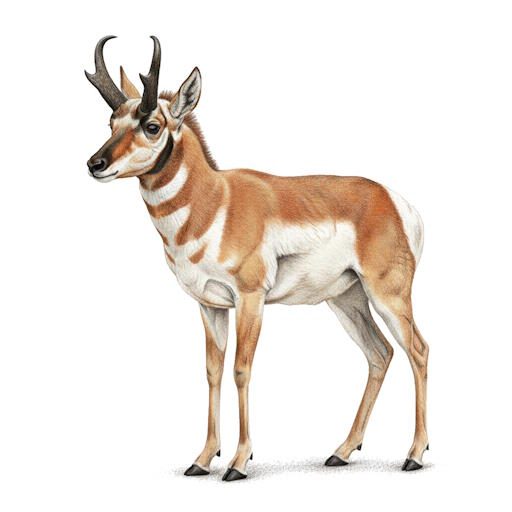
Sagebrush plains are crucial for numerous animal species, most notably the greater sage-grouse, an iconic bird whose survival is intrinsically linked to the health of these ecosystems. Other inhabitants include pronghorn, mule deer, jackrabbits, coyotes, badgers, and a variety of raptors like golden eagles and ferruginous hawks. The dense understory of sagebrush provides cover from predators, nesting sites, and a critical food source, especially during winter.
Ecologically, sagebrush plains play a vital role in water retention and soil stability, preventing erosion in arid regions. However, these habitats face significant threats, including habitat fragmentation due to agricultural expansion, energy development, and invasive species. Wildfires, often exacerbated by the presence of non-native grasses, also pose a considerable risk, as sagebrush is slow to regenerate after burning.
Conservation efforts are paramount to protecting sagebrush plains and the diverse wildlife they support. These initiatives often focus on sustainable land management practices, restoring degraded habitats, controlling invasive species, and mitigating the impacts of human development. Understanding and appreciating the delicate balance of these unique ecosystems is key to ensuring their long-term survival for future generations.
Other Habitats
There are lots of other habitats to explore. Check out all of our habitats for more info.
Animals which live in Sagebrush plains Habitat
Click on an image to learn more about one of the animals.