Saltwater Wetlands
Saltwater wetlands are coastal ecosystems characterized by their unique blend of freshwater and saltwater, creating a brackish environment. These dynamic habitats, including salt marshes, mangrove forests, and estuarine intertidal zones, are found in transitional areas where land meets the sea, often along sheltered coastlines, bays, and river mouths.
The defining feature of saltwater wetlands is their tolerance to fluctuating water levels and salinity. Plants like salt-tolerant grasses, sedges, and mangrove trees have evolved specialized adaptations to thrive in these challenging conditions, such as salt glands to excrete excess salt and aerial roots to access oxygen in waterlogged soils. These unique plant communities form the foundation of a rich and diverse ecosystem.
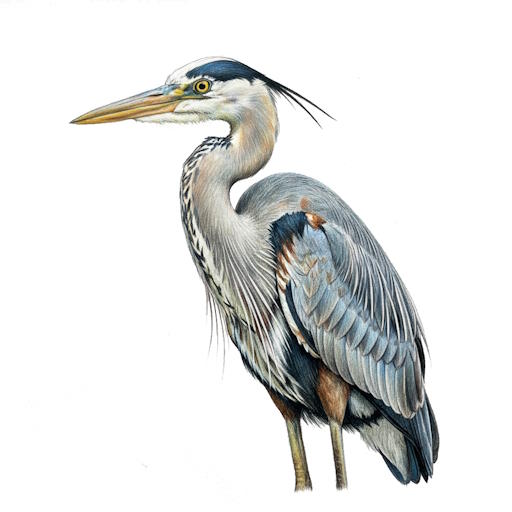
Saltwater wetlands serve as critical nurseries and feeding grounds for a vast array of marine and terrestrial life. Fish, crustaceans, mollusks, and countless species of birds rely on these areas for breeding, foraging, and shelter. The intricate network of roots and sediments also acts as a natural filter, trapping pollutants and improving water quality before it reaches open coastal waters. Furthermore, these wetlands play a vital role in coastal protection, dissipating wave energy and reducing erosion during storms, thereby safeguarding inland communities.
Despite their ecological importance, saltwater wetlands are incredibly vulnerable to human activities and climate change. Coastal development, pollution, and rising sea levels pose significant threats to these fragile ecosystems. Conservation efforts are crucial to protect and restore these valuable habitats, ensuring their continued ability to support biodiversity, provide essential ecosystem services, and maintain the health of our coastlines.
Other Habitats
There are lots of other habitats to explore. Check out all of our habitats for more info.
Animals which live in Saltwater Wetlands Habitat
Click on an image to learn more about one of the animals.