Sandhills
Sandhills are unique and often overlooked habitats characterized by their distinctive sandy terrain. These environments are typically formed by aeolian processes, meaning they are shaped by wind, which deposits and sculpts sand into rolling hills and dunes. The specific characteristics of sandhills can vary greatly depending on their geographical location, but they generally share common features such as well-drained, nutrient-poor sandy soils and a prevalence of drought-resistant vegetation.
The flora adapted to sandhill environments often includes specialized grasses, shrubs, and trees that can tolerate dry conditions and shifting sands. These plants play a crucial role in stabilizing the dunes, preventing erosion, and creating microhabitats for a diverse array of wildlife. Many endemic species, found nowhere else, thrive in the isolated and challenging conditions of sandhills.
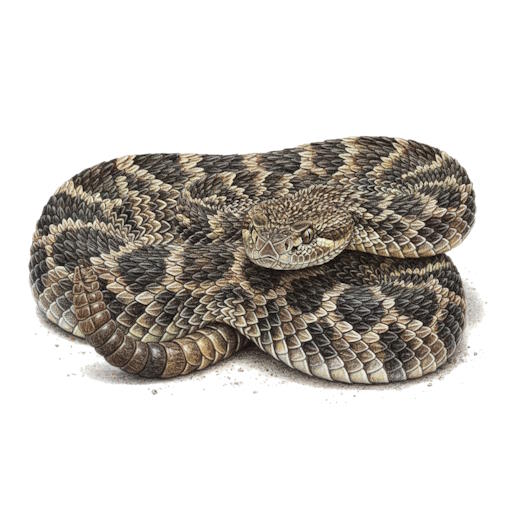
Wildlife in sandhills is equally unique, often featuring species that have evolved specific adaptations for survival in these arid, sandy landscapes. This can include burrowing animals that seek refuge from extreme temperatures, reptiles that are adept at navigating sandy surfaces, and birds that rely on the specific vegetation and insect life found in these areas. Mammals like deer, rabbits, and various rodents are also common, feeding on the sparse vegetation.
Ecologically, sandhills are vital for biodiversity, often acting as ecological islands that support distinct communities of plants and animals. They also play a significant role in water filtration, as the sandy soils allow for rapid infiltration of rainwater, which can then recharge underlying aquifers. This makes them important for regional water cycles, even in seemingly dry areas.
Human interaction with sandhills varies. In some regions, they are used for limited agriculture, particularly for crops adapted to sandy soils, or for grazing livestock. However, due to their fragile nature, sandhills are highly susceptible to disturbance. Over-grazing, off-road vehicle use, and development can lead to significant erosion and habitat degradation. Conservation efforts are increasingly focused on protecting these valuable and sensitive ecosystems, recognizing their ecological importance and the unique species they support. Preserving sandhill habitats is crucial for maintaining regional biodiversity and ecosystem health.
Other Habitats
There are lots of other habitats to explore. Check out all of our habitats for more info.
Animals which live in Sandhills Habitat
Click on an image to learn more about one of the animals.