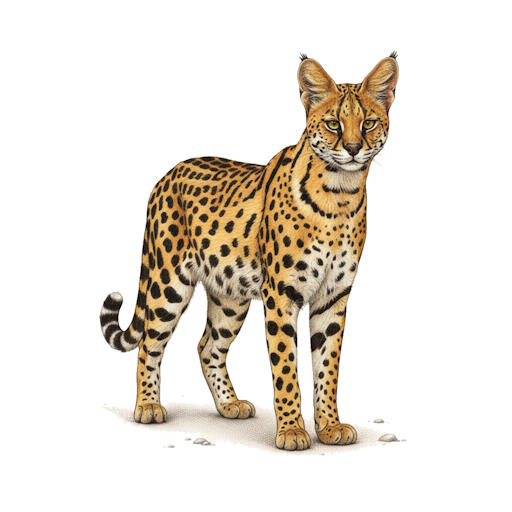
Savannas Near Water
Savannas near water are unique and vibrant ecosystems where vast grasslands meet the life-giving presence of rivers, lakes, or seasonal wetlands. These transitional zones are characterized by their open grassy plains, scattered trees, and the crucial element of readily available water sources, which profoundly influence the biodiversity and ecological processes within them.
The proximity to water bodies enriches the savanna environment in several ways. During dry seasons, these water sources become vital oases, attracting a diverse array of wildlife that relies on them for survival. Large herbivores such as zebras, wildebeest, and various antelope species congregate near these water points, making them prime hunting grounds for predators like lions, cheetahs, and hyenas. This dynamic interplay between prey and predator is a defining feature of savannas near water, contributing to a rich food web.
The hydrological patterns of the adjacent water bodies also dictate the vegetation structure and composition. Floodplains and riparian zones often feature different plant communities than the drier savanna grasslands further away. These areas can support denser stands of trees and shrubs, providing essential cover, nesting sites, and additional food sources for a variety of species. The presence of water also influences soil moisture, allowing for a longer growing season in some areas and supporting different types of grasses and forbs.
Birds are particularly abundant and diverse in savannas near water. Aquatic and semi-aquatic birds, such as storks, herons, and various waterfowl, thrive in these habitats, finding ample food in the form of fish, amphibians, and invertebrates. Migratory bird species also utilize these areas as crucial stopovers, especially during times of drought in other regions. The presence of water often creates a microclimate that can support insect populations, which in turn provides food for many insectivorous birds and other animals.
Beyond the charismatic megafauna, the smaller inhabitants of savannas near water play equally important roles. Reptiles, amphibians, and a myriad of insect species contribute to the intricate balance of these ecosystems. The water itself provides a habitat for various fish, crocodile, and hippopotamus populations, adding another layer of complexity to the overall biodiversity.
However, savannas near water are also highly sensitive to environmental changes and human pressures. Alterations to water flow, pollution, and habitat fragmentation due to agricultural expansion or urban development can severely impact these delicate ecosystems. Conservation efforts in these regions often focus on protecting the water sources and maintaining the connectivity of habitats to allow for wildlife movement and ecological processes to continue undisturbed. Understanding and preserving these critical areas is paramount for maintaining the health and resilience of the broader savanna landscape.
Other Habitats
There are lots of other habitats to explore. Check out all of our habitats for more info.
Animals which live in Savannas Near Water Habitat
Click on an image to learn more about one of the animals.