Scrublands
Scrublands, often overlooked yet vitally important, represent a diverse and resilient habitat type characterized by a dominant presence of shrubs, often interspersed with grasses and herbaceous plants. These unique ecosystems can be found across various climates and continents, from the arid regions of the American Southwest to the Mediterranean coastlines, and from the fynbos of South Africa to the Australian mallee. The defining feature of scrublands is their vegetation structure, which typically consists of woody plants generally less than 6 meters tall, often with multiple stems and a dense, bushy growth habit.
The flora within scrublands is remarkably adapted to withstand challenging environmental conditions, particularly periods of drought, nutrient-poor soils, and often, fire. Many scrubland species possess adaptations such as small, waxy leaves to minimize water loss, deep root systems to access subsurface moisture, and the ability to resprout vigorously after fire. These adaptations contribute to the high biodiversity often found in scrublands, providing specialized niches for a variety of plant and animal life. While often perceived as transition zones between forests and grasslands, scrublands are complex and dynamic habitats in their own right, playing crucial roles in regional ecological processes.
Ecologically, scrublands are significant for several reasons. They provide essential habitat and food sources for a wide array of wildlife, including numerous bird species, small mammals, reptiles, and insects. The dense vegetation offers cover and protection from predators and harsh weather conditions. Furthermore, scrublands contribute to soil stability, preventing erosion, particularly in areas prone to strong winds or heavy rainfall. They also play a role in water filtration and nutrient cycling, helping to maintain the health of surrounding ecosystems. The presence of specific scrubland types can also indicate underlying geological formations or unique soil compositions.
Human activities, including agriculture, urbanization, and altered fire regimes, have significantly impacted scrubland habitats globally. Conversion of scrublands for development or farming leads to habitat loss and fragmentation, threatening the species that depend on these unique environments. Climate change also poses a substantial threat, with altered precipitation patterns and increased frequency of extreme weather events impacting the delicate balance of these ecosystems. Conservation efforts are crucial to protect and restore scrublands, recognizing their ecological value and the vital services they provide. Sustainable land management practices, controlled burning where appropriate, and the establishment of protected areas are all key to ensuring the future of these resilient and often underestimated habitats.
Other Habitats
There are lots of other habitats to explore. Check out all of our habitats for more info.
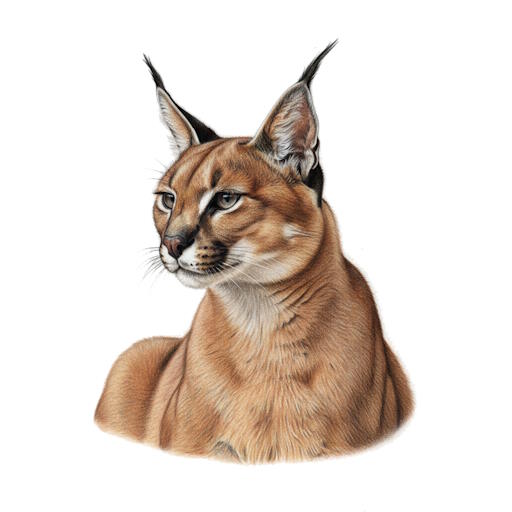
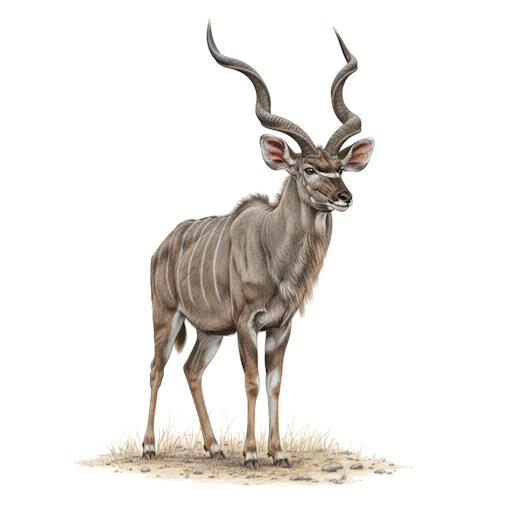
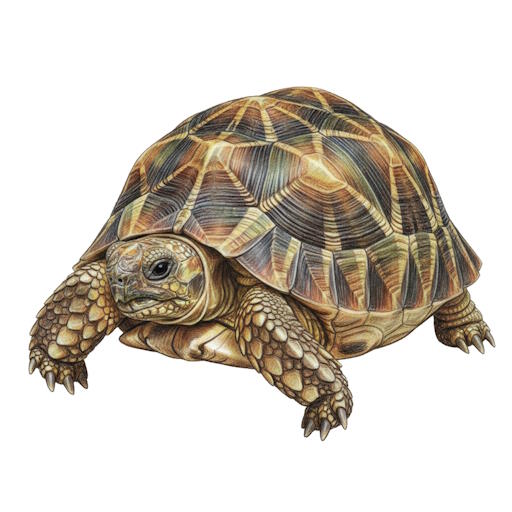
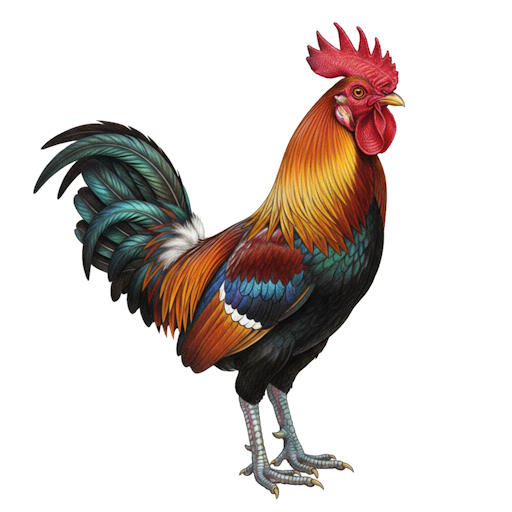
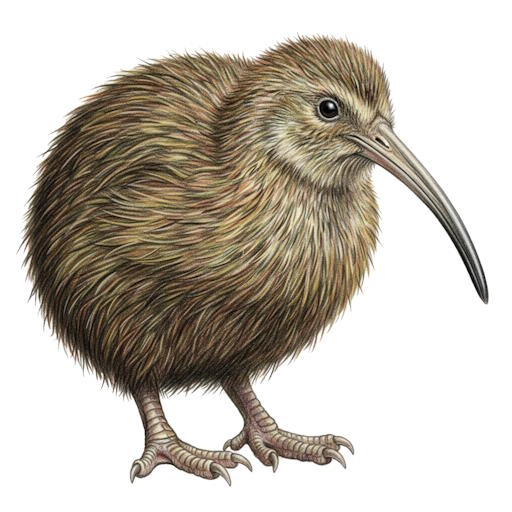
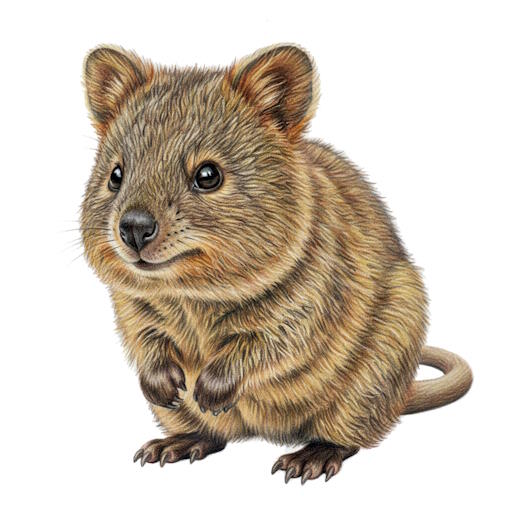
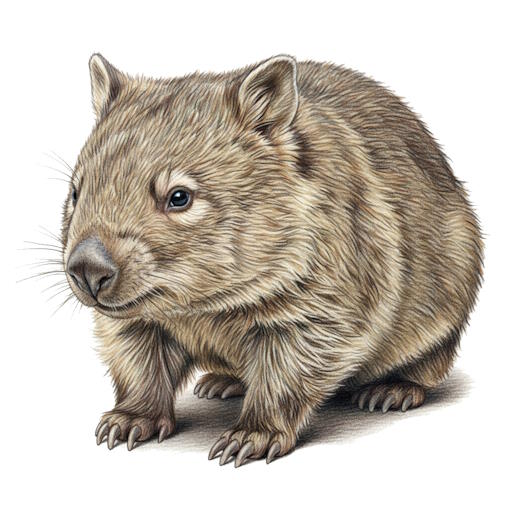
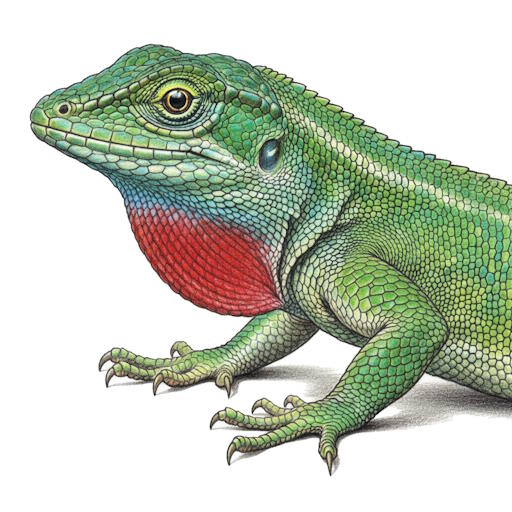
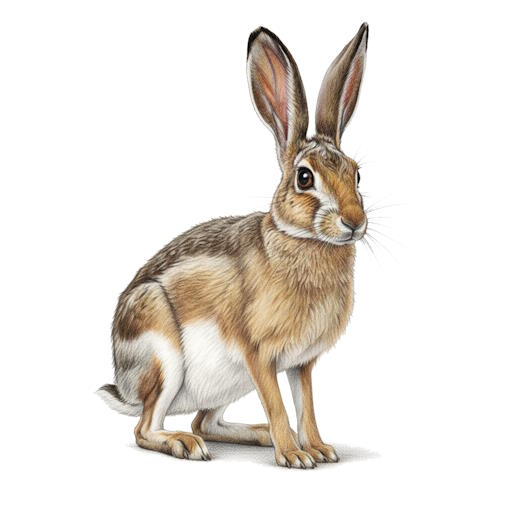
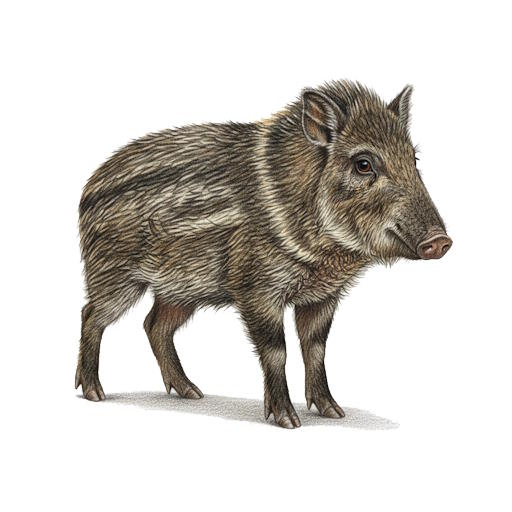
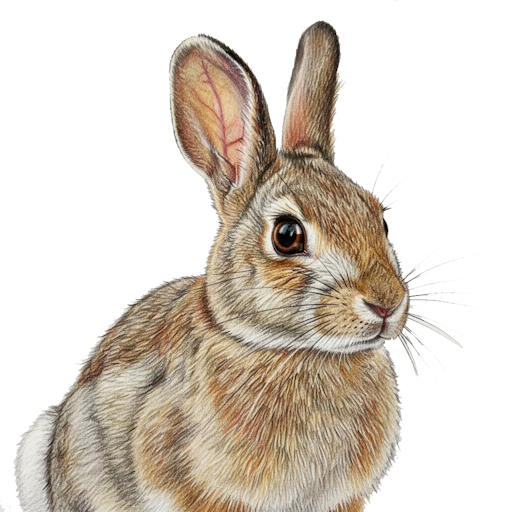
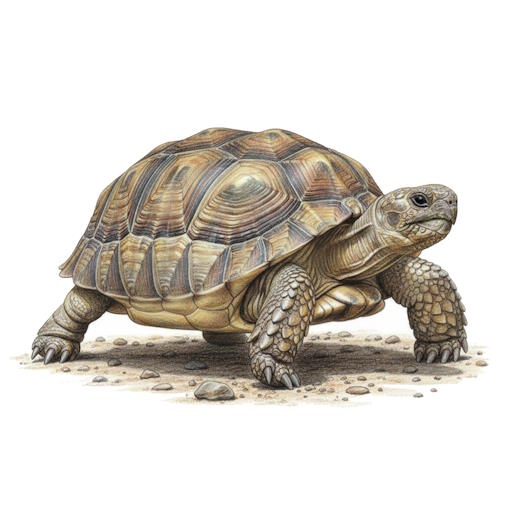
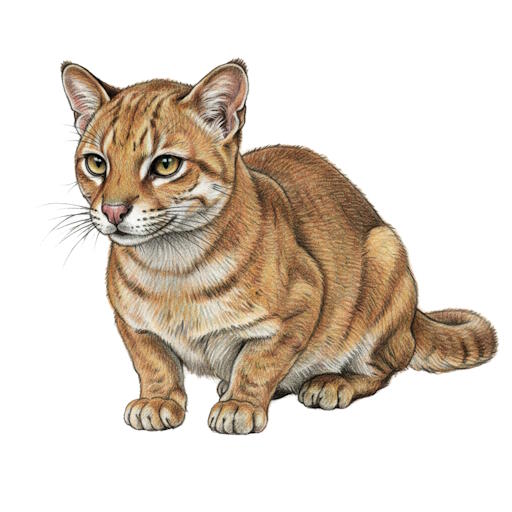
Animals which live in Scrublands Habitat
Click on an image to learn more about one of the animals.