Semi-arid regions
Semi-Arid Regions: A Landscape of Resilience and Unique Biodiversity
Semi-arid regions, characterized by their dry climates receiving between 250 and 500 millimeters (10-20 inches) of precipitation annually, represent a significant portion of the Earth's terrestrial surface. These transitional zones, found between true deserts and more humid areas, showcase remarkable ecological adaptations and a surprising diversity of life. From the vast steppes of Central Asia to the scrublands of the American Southwest and the African Sahel, semi-arid landscapes are defined by their sparse, drought-tolerant vegetation, often consisting of grasses, shrubs, and scattered trees.
Life in semi-arid regions is a testament to resilience. Plants have evolved intricate mechanisms to conserve water, such as deep root systems, succulent leaves, and specialized stomata that open only at night. Animals, too, exhibit remarkable adaptations, including nocturnal activity, efficient water retention, and specialized diets that minimize water loss. Iconic species like kangaroos, coyotes, various antelope species, and a wide array of reptiles and birds thrive in these challenging environments, playing crucial roles in the ecosystem's delicate balance.
Despite their arid nature, these regions are often vital for agriculture, supporting hardy crops and livestock through innovative irrigation techniques and traditional farming practices. However, they are also highly vulnerable to desertification, a process exacerbated by climate change and unsustainable land management. Overgrazing, deforestation, and inappropriate farming methods can degrade the fragile soil, leading to increased erosion and loss of biodiversity. Conservation efforts in semi-arid regions are therefore paramount, focusing on sustainable land use, water conservation, and community engagement to protect these valuable and often overlooked ecosystems.
Understanding and appreciating the unique characteristics of semi-arid regions is essential for global ecological health. Their arid beauty, coupled with the incredible adaptations of their flora and fauna, offers valuable insights into survival in extreme conditions. By promoting sustainable practices and supporting conservation initiatives, we can help ensure the long-term viability of these resilient landscapes and the diverse life they sustain for generations to come.
Other Habitats
There are lots of other habitats to explore. Check out all of our habitats for more info.
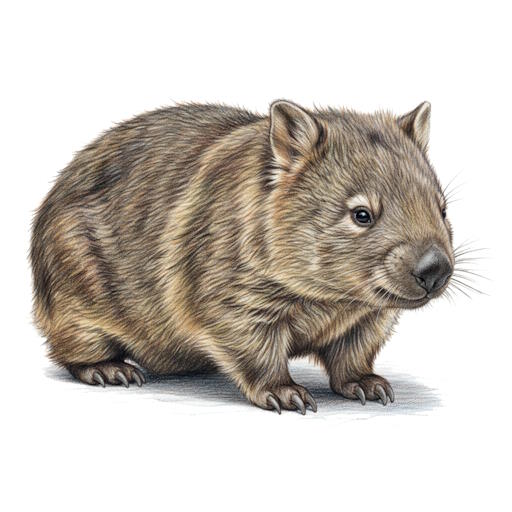
Animals which live in Semi-arid regions Habitat
Click on an image to learn more about one of the animals.