Semi-deserts
Semi-deserts are unique and often overlooked habitats that bridge the gap between arid deserts and more temperate regions. Characterized by low, erratic rainfall (typically between 100-300 mm annually), they support a surprisingly diverse array of life adapted to these challenging conditions. These transitional zones are found globally, often bordering true deserts, and include regions like the Sahel in Africa, parts of the American West, the Australian outback, and the vast steppes of Central Asia.
The flora of semi-deserts is dominated by drought-resistant species. This includes hardy grasses, scattered shrubs like creosote bush and sagebrush, and succulent plants such as cacti and euphorbias. These plants employ various strategies to survive, including deep root systems to tap into groundwater, specialized leaves to reduce water loss, and the ability to store water. Many also exhibit opportunistic growth, rapidly flowering and seeding after rare rainfall events.
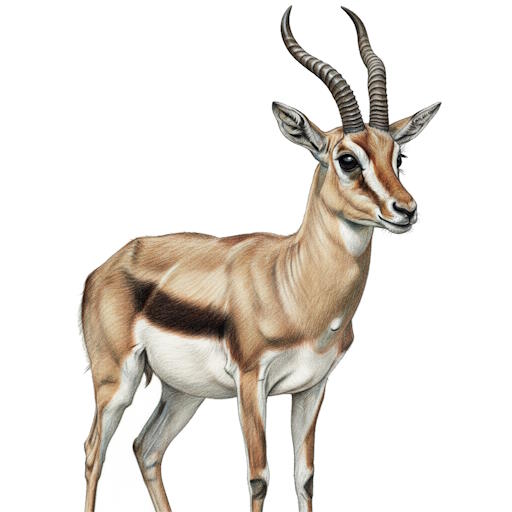
Fauna in semi-deserts is equally specialized. Mammals like kangaroos, gazelles, various rodents, and coyotes have evolved physiological and behavioral adaptations to conserve water and regulate body temperature. Reptiles, such as lizards and snakes, are common and thrive in the warm, dry conditions. Birds, often migratory, are also present, relying on ephemeral water sources and the seeds and insects provided by the vegetation. Invertebrates, including insects and arachnids, form the base of many semi-desert food webs.
The soils in semi-deserts are typically sandy or rocky, often poor in organic matter, and susceptible to erosion. Flash floods can occur during intense, short-lived rain events, further shaping the landscape. Despite their perceived barrenness, semi-deserts play crucial ecological roles, serving as migration corridors and providing habitat for numerous species that cannot survive in true deserts or more heavily vegetated areas.
Human impact on semi-desert environments is significant. Overgrazing, agricultural expansion, and climate change threaten these fragile ecosystems, leading to desertification and loss of biodiversity. Conservation efforts are vital to protect the unique adaptations and ecological balance of these fascinating transitional habitats, ensuring their continued existence for the specialized life they support.
Other Habitats
There are lots of other habitats to explore. Check out all of our habitats for more info.
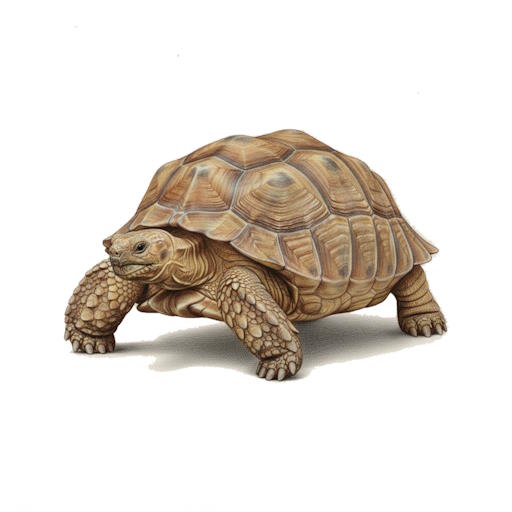
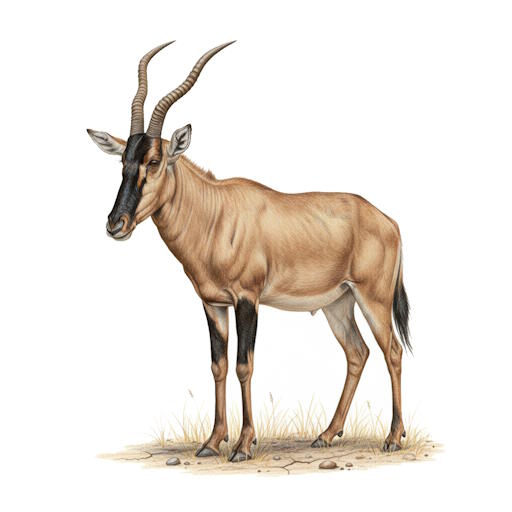
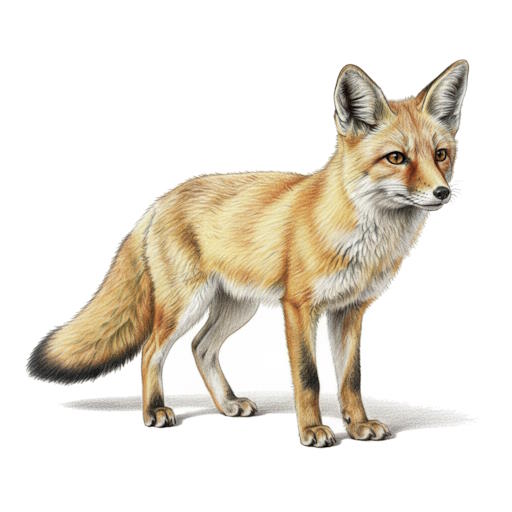
Animals which live in Semi-deserts Habitat
Click on an image to learn more about one of the animals.