Shrublands
Shrublands are unique and diverse terrestrial habitats characterized by the dominance of shrubs, which are woody plants smaller than trees, typically multi-stemmed and less than 5-8 meters tall. These ecosystems can be found across various climatic zones, from arid and semi-arid regions to temperate and Mediterranean climates, and even in some alpine and polar areas. Their presence is often linked to specific environmental conditions, including soil type, topography, and fire regimes.
One of the defining features of shrublands is their remarkable adaptability. Many shrubland plant species exhibit adaptations to drought, fire, and nutrient-poor soils. For instance, some have small, leathery leaves to reduce water loss, while others possess deep root systems to access subterranean water. Fire is a natural and often crucial element in the life cycle of many shrubland ecosystems, with some species relying on fire for seed germination or nutrient cycling. The post-fire regeneration capabilities of these plants contribute to the resilience and dynamic nature of shrublands.
Shrublands are incredibly diverse in terms of their flora and fauna, supporting a wide array of specialized species. Birds often find shelter and nesting sites within the dense shrubbery, while various mammals, reptiles, and insects thrive on the unique plant communities. For example, Mediterranean-type shrublands, such as chaparral in California or maquis in the Mediterranean Basin, are biodiversity hotspots, home to numerous endemic species. Similarly, desert scrublands, despite their harsh conditions, support a surprising variety of life adapted to extreme temperatures and water scarcity.
Human activities have significantly impacted shrubland habitats globally. Conversion for agriculture, urban development, and overgrazing are major threats. Altered fire regimes, either through suppression or increased frequency, can also disrupt the natural balance of these ecosystems. Conservation efforts are crucial to protect these valuable habitats and their associated biodiversity. These efforts often involve sustainable land management practices, controlled burning where appropriate, and the establishment of protected areas. Understanding the ecological processes that shape shrublands is vital for their effective conservation and for appreciating their significant role in global biodiversity.
Other Habitats
There are lots of other habitats to explore. Check out all of our habitats for more info.
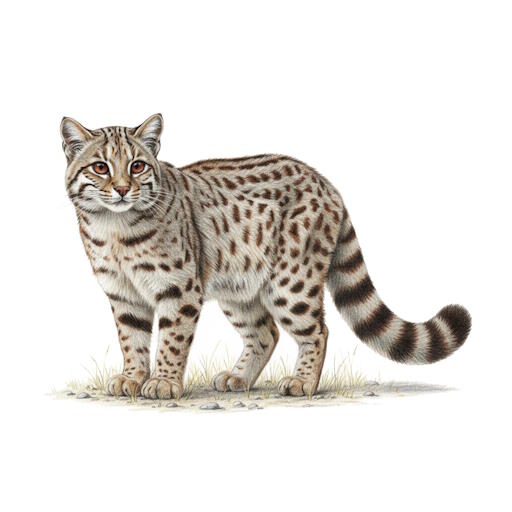
Animals which live in Shrublands Habitat
Click on an image to learn more about one of the animals.