Southern Hemisphere oceans
The Southern Hemisphere oceans, often simply referred to as the Southern Ocean, represent a vast and dynamic marine environment encircling Antarctica. This unique oceanic realm plays a critical role in global climate regulation and boasts an astonishing array of biodiversity, much of which is uniquely adapted to its cold, nutrient-rich waters.
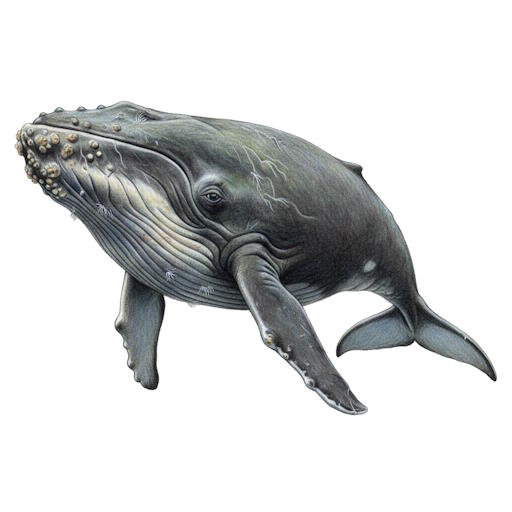
Geographically, the Southern Ocean is defined by the Antarctic Convergence, a significant oceanic front where cold, northward-flowing Antarctic waters meet warmer, subantarctic waters. This convergence creates an exceptionally productive zone, bringing deep-water nutrients to the surface and supporting a thriving food web. Key species within this habitat include numerous whale species (such as blue whales, humpback whales, and orcas), various seal species (including crabeater, leopard, and Weddell seals), and a diverse population of penguins (like emperor and Adélie penguins). The waters are also home to massive schools of Antarctic krill, a foundational species that serves as the primary food source for many of the larger marine animals.
The physical characteristics of the Southern Hemisphere oceans are largely shaped by extreme conditions. Temperatures are consistently low, and large expanses of the ocean are covered by seasonal or permanent sea ice, including the formidable pack ice. This ice cover is crucial for many species, providing breeding grounds, protection from predators, and a platform for hunting. Strong circumpolar currents, particularly the Antarctic Circumpolar Current (ACC), dominate the region, acting as a natural barrier that isolates the Antarctic continent and its unique ecosystem from other oceans. This isolation has led to the evolution of many endemic species found nowhere else on Earth.
Despite its remote nature, the Southern Hemisphere oceans face significant environmental pressures. Climate change is causing rapid melting of glaciers and sea ice, threatening species that rely on these frozen habitats. Ocean acidification, a consequence of increased carbon dioxide absorption, also poses a serious risk to marine organisms with calcium carbonate shells or skeletons, such as pteropods, which are a vital part of the food chain. Overfishing, particularly of krill, has historically been a concern, although international regulations and conservation efforts are in place to manage these activities. The Southern Ocean's pristine yet fragile environment underscores the importance of continued research, monitoring, and conservation initiatives to protect its extraordinary biodiversity and vital ecological functions for future generations.
Other Habitats
There are lots of other habitats to explore. Check out all of our habitats for more info.
Animals which live in Southern Hemisphere oceans Habitat
Click on an image to learn more about one of the animals.