Steep
Steep habitats are characterized by their abrupt and significant changes in elevation, often featuring inclines greater than 45 degrees. These dramatic landscapes can encompass a variety of geological formations, from rocky cliffs and mountain slopes to volcanic cones and deep-cut canyons. The defining characteristic is the extreme gradient, which presents unique challenges and opportunities for both geology and biology.
The formation of steep habitats is typically a result of powerful geological processes. Tectonic plate collisions can uplift vast mountain ranges, leading to sharp, angular slopes. Volcanic activity can create towering, conical peaks. Erosion by water, wind, or glaciers can carve out impressive canyons and expose sheer rock faces. The underlying rock type and its resistance to weathering play a crucial role in determining the specific form and stability of a steep habitat.
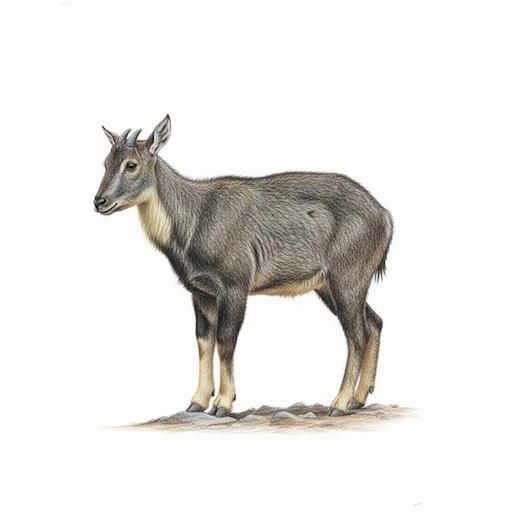
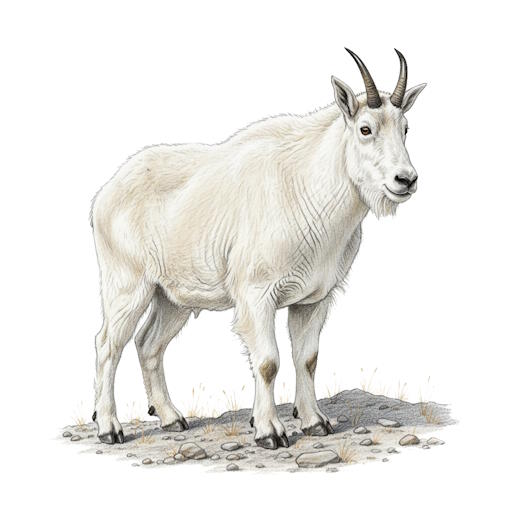
Life in steep environments is highly specialized. Plants often develop deep root systems to anchor themselves against erosion and find purchase in thin soils. Many exhibit drought-resistant features, as water can quickly drain away from sloped surfaces. Animals in these habitats are adapted for climbing and navigating challenging terrain, often possessing strong limbs, agile bodies, and excellent balance. Examples include mountain goats, bighorn sheep, and various raptors that utilize updrafts along cliff faces.
Biodiversity in steep habitats can be surprisingly rich, with unique microclimates and niches supporting a variety of endemic species. The varied topography creates diverse sun exposures, moisture levels, and soil conditions, leading to a mosaic of plant communities. Steep habitats can also act as natural barriers, promoting speciation and protecting isolated populations from external pressures.
Human interaction with steep habitats varies. While some steep areas are popular for recreation like climbing, hiking, and skiing, others remain largely untouched due to their inaccessibility. These environments are often fragile, susceptible to landslides, rockfalls, and erosion, especially with human disturbance or climate change. Conservation efforts in steep habitats focus on protecting their unique biodiversity, managing land use to prevent degradation, and mitigating the impacts of climate change on these sensitive ecosystems. The rugged beauty and inherent challenges of steep habitats continue to capt fascinate and inspire, highlighting the resilience of life in extreme conditions.
Other Habitats
There are lots of other habitats to explore. Check out all of our habitats for more info.
Animals which live in Steep Habitat
Click on an image to learn more about one of the animals.