Streams
Streams are dynamic and vital freshwater ecosystems that play a crucial role in the Earth's hydrological cycle and support a diverse array of life. These flowing bodies of water, ranging from small trickles to substantial creeks, are characterized by their unidirectional current, which constantly shapes their physical and biological features.
Geographical Distribution and Formation
Streams originate from various sources, including snowmelt, glaciers, springs, and runoff from precipitation. They are found across all continents and in diverse climates, from the frigid Arctic to the humid tropics. The path and characteristics of a stream are heavily influenced by the topography of the land it traverses. Steep gradients create fast-flowing, turbulent streams with rocky beds, while gentler slopes lead to meandering streams with finer sediment beds.
Key Characteristics
- Current: The defining feature of a stream is its continuous flow, which dictates the types of organisms that can thrive within it. The strength and consistency of the current vary greatly depending on factors such as rainfall, seasonal changes, and upstream discharge.
- Water Quality: Stream water quality is influenced by its source, the surrounding landscape, and human activities. It can vary in temperature, pH, dissolved oxygen levels, and nutrient content, all of which impact the stream's ecosystem.
- Substrate: The bed of a stream can consist of various materials, including bedrock, boulders, cobbles, gravel, sand, and silt. The substrate provides habitat for benthic organisms and influences water flow and sediment transport.
- Riparian Zone: The area alongside the stream, known as the riparian zone, is crucial for stream health. Vegetation in this zone helps stabilize banks, filter pollutants, provide shade (regulating water temperature), and offer habitat and food for aquatic and terrestrial species.
Biodiversity
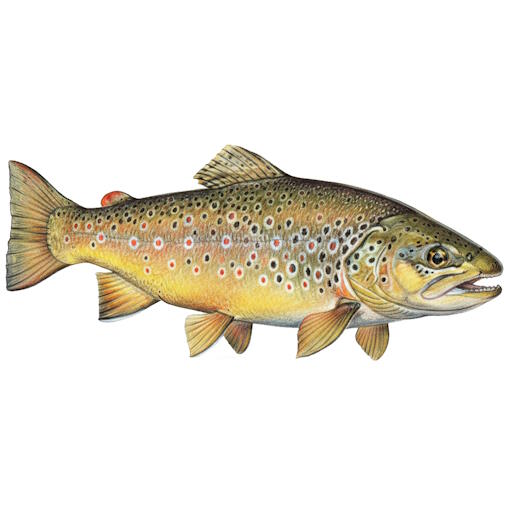
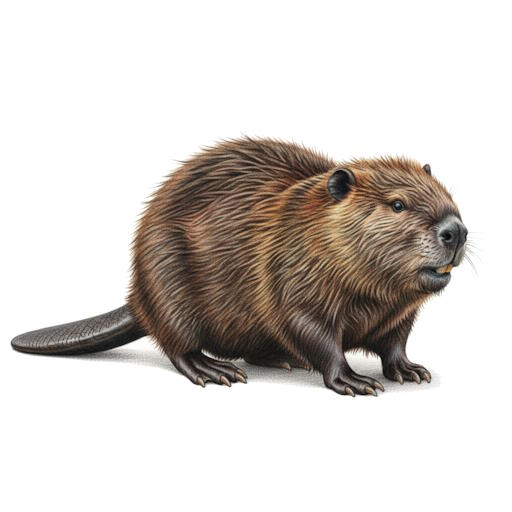
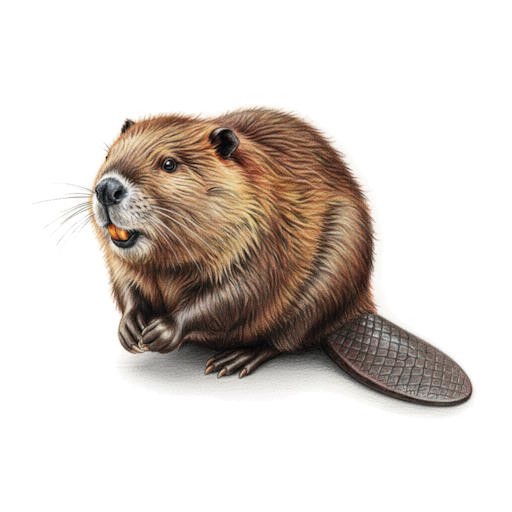
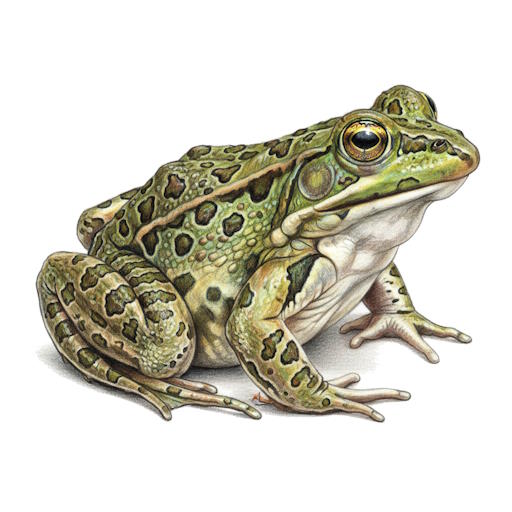
Despite their often turbulent nature, streams are teeming with life. They support specialized aquatic insects (such as mayflies, caddisflies, and stoneflies) whose larvae are adapted to clinging to rocks in fast currents. Fish species, including trout, salmon, and darters, are well-adapted to stream environments, often exhibiting streamlined bodies and strong swimming abilities. Amphibians like salamanders and frogs, as well as various bird species (e.g., dippers, kingfishers) and mammals (e.g., otters, beavers), also rely on streams for survival.
Ecological Importance and Threats
Streams serve as vital corridors, connecting different habitats and facilitating the movement of nutrients, energy, and organisms. They are crucial for water purification, flood control, and groundwater recharge. However, streams worldwide face significant threats from pollution (agricultural runoff, industrial discharge, sewage), habitat destruction (deforestation, dam construction, urbanization), and climate change (altered flow regimes, increased water temperatures). Conservation efforts are essential to protect these invaluable freshwater ecosystems and the biodiversity they sustain.
Other Habitats
There are lots of other habitats to explore. Check out all of our habitats for more info.
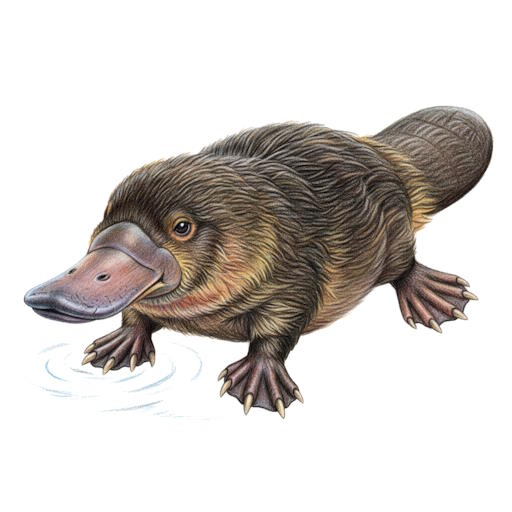
Animals which live in Streams Habitat
Click on an image to learn more about one of the animals.