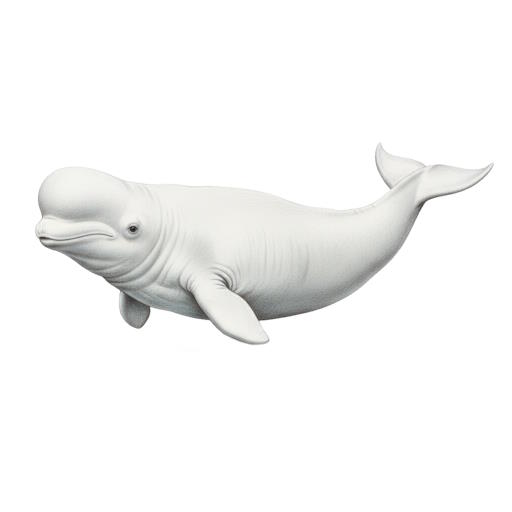
Subarctic Waters
Subarctic waters are a vital and dynamic habitat, forming a transitional zone between the Arctic and temperate oceans. These regions, characterized by their cold temperatures and fluctuating ice cover, are incredibly productive and support a diverse array of marine life. Found in areas like the North Atlantic, North Pacific, and Southern Ocean, subarctic waters are influenced by a complex interplay of ocean currents, freshwater input from melting ice and rivers, and atmospheric conditions.
Key Characteristics of Subarctic Waters:
- Temperature Gradients: Subarctic waters experience significant seasonal temperature shifts. While generally cold, they are warmer than arctic waters, allowing for a broader range of species.
- Nutrient Richness: The mixing of different water masses, coupled with seasonal ice melt, brings abundant nutrients to the surface. This high nutrient availability fuels robust primary productivity, forming the base of a thriving food web.
- Dynamic Ice Cover: Seasonal sea ice formation and melt play a crucial role in subarctic ecosystems. Ice edges are particularly productive areas, providing shelter, hunting grounds, and breeding sites for many species.
- High Productivity: These waters are renowned for their high biological productivity, supporting vast populations of phytoplankton and zooplankton. This abundance, in turn, sustains large aggregations of fish, marine mammals, and seabirds.
Biodiversity and Ecological Importance:
Subarctic waters are home to an astonishing variety of species adapted to these challenging conditions. Large fish stocks, such as cod, pollock, and salmon, thrive here, making these regions critically important for global fisheries. Marine mammals, including various whale species (like humpbacks, fin whales, and orcas), seals, and porpoises, are common residents, drawn by the rich food sources. Numerous seabird species also depend on subarctic waters for breeding and feeding, often traveling vast distances to exploit the abundant fish and invertebrate populations.
The ecological importance of subarctic waters extends beyond their resident species. They act as critical migratory pathways and feeding grounds for animals that travel between arctic and temperate zones. The health of these ecosystems is intricately linked to global climate patterns and ocean circulation, making them important indicators of environmental change.
Threats and Conservation:
Despite their resilience, subarctic waters face increasing threats from climate change, including rising ocean temperatures, ocean acidification, and changes in ice dynamics. Overfishing, pollution, and increased shipping traffic also pose significant challenges. Conservation efforts in these regions are crucial to protect their unique biodiversity and the vital ecosystem services they provide.
Other Habitats
There are lots of other habitats to explore. Check out all of our habitats for more info.
Animals which live in Subarctic Waters Habitat
Click on an image to learn more about one of the animals.