Subtropical Forests
Subtropical Forests: A Lush and Diverse Ecosystem
Subtropical forests are a fascinating and vital biome, characterized by their unique position between tropical and temperate zones. These forests experience warm temperatures year-round with distinct wet and dry seasons, supporting an incredible array of plant and animal life. Unlike tropical rainforests, subtropical forests often have a more pronounced dry period, which influences the types of species that thrive there.
Climate and Vegetation of Subtropical Forests
The climate in subtropical forests is defined by its moderate rainfall, often concentrated during a specific season, and consistently warm temperatures. This allows for a mix of broadleaf evergreen trees, which retain their leaves throughout the year, and deciduous species, which shed their leaves during the drier months. The canopy can be dense, but often less so than in tropical rainforests, allowing more light to reach the forest floor. Common plant types include various palms, ferns, epiphytes like orchids and bromeliads, and a rich understory of shrubs and smaller trees.
Biodiversity Hotspots
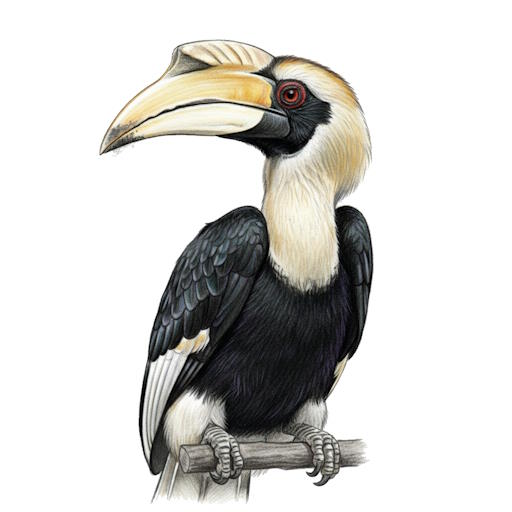
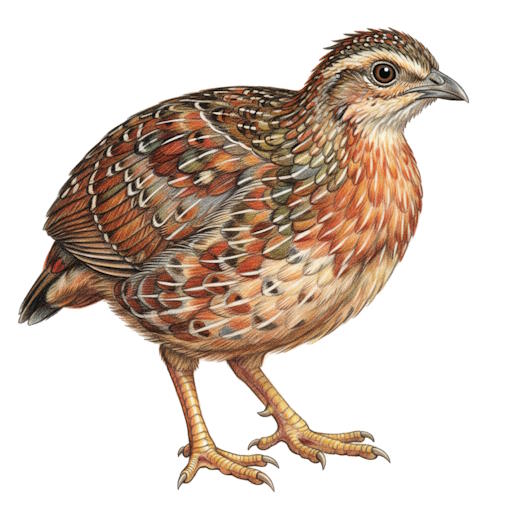
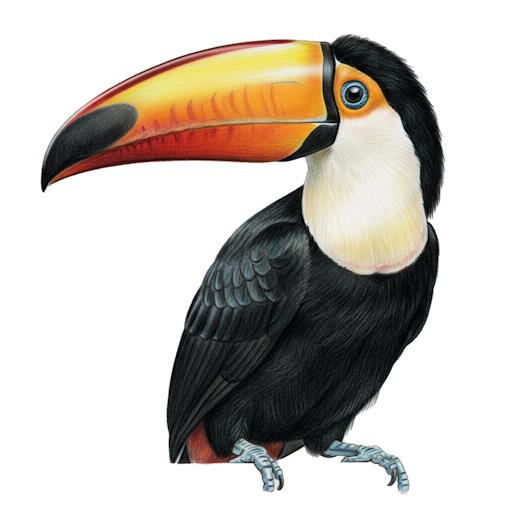
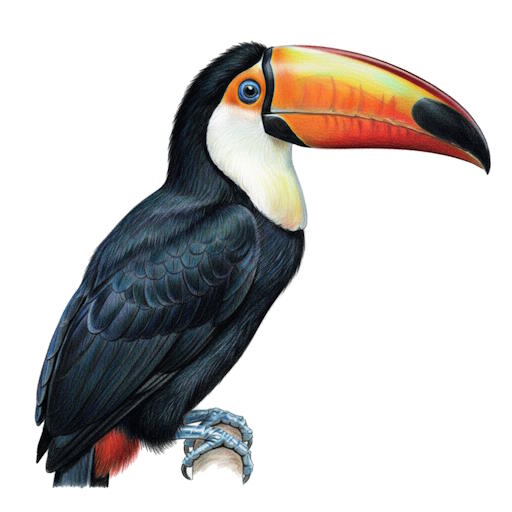
Subtropical forests are incredibly diverse, hosting numerous endemic species. The varied conditions create a mosaic of microhabitats, leading to a high level of biodiversity. These forests are home to a wide range of mammals, birds, reptiles, amphibians, and insects. Unique species often adapt to the fluctuating water availability, with many animals exhibiting specialized behaviors or physiological adaptations to cope with both wet and dry periods. From vibrant bird species to elusive large predators, the animal life within these forests is a testament to their ecological richness.
Ecological Importance and Threats
Beyond their biological diversity, subtropical forests play a crucial role in global ecosystems. They act as significant carbon sinks, helping to regulate the Earth's climate. They also provide essential ecosystem services such as water purification, soil stabilization, and regional climate regulation. Unfortunately, these valuable habitats face significant threats. Deforestation for agriculture, logging, urban development, and the impacts of climate change are rapidly diminishing subtropical forest areas. Conservation efforts are vital to protect these unique and invaluable ecosystems and the countless species that call them home.
Understanding and preserving subtropical forests is essential for maintaining global biodiversity and ecological balance. Their intricate ecosystems, rich with life and vital natural resources, are a treasure that requires urgent protection.
Other Habitats
There are lots of other habitats to explore. Check out all of our habitats for more info.
Animals which live in Subtropical Forests Habitat
Click on an image to learn more about one of the animals.