Swamps
Swamps are wetland ecosystems characterized by waterlogged soils and dominated by woody plants, such as trees and shrubs. Unlike marshes, which are primarily defined by herbaceous vegetation, swamps boast a dense canopy that often casts deep shadows, creating a unique microclimate. These vital habitats can be found across the globe, from the cypress swamps of the American South to the mangrove forests of tropical coastlines, each with its own distinct flora and fauna adapted to the saturated conditions.
The hydrology of a swamp is a key factor in its formation and sustained existence. Water levels can fluctuate seasonally, with some swamps experiencing periods of complete inundation and others remaining permanently flooded. This constant presence of water shapes the soil, making it anaerobic and rich in organic matter due to slow decomposition. The specialized root systems of swamp plants, such as cypress "knees" or prop roots of mangroves, are crucial for stability and oxygen uptake in these challenging environments.
Swamps play a critical role in the environment, acting as natural filters that purify water by trapping sediments and absorbing pollutants. They also serve as important flood control mechanisms, slowing down and absorbing excess water during heavy rainfall or storm surges. Beyond these ecological services, swamps are biodiversity hotspots, providing essential breeding grounds, nurseries, and foraging areas for a vast array of wildlife. Amphibians, reptiles, birds, and numerous fish species thrive in the intricate network of water and vegetation that defines these unique ecosystems.
Despite their ecological importance, swamps face significant threats from human activities, including deforestation, agricultural conversion, and urban development. Pollution from industrial and agricultural runoff further degrades these sensitive environments. Conservation efforts are crucial to protect and restore swamps, recognizing their invaluable contributions to water quality, flood mitigation, and global biodiversity. Understanding and appreciating the complex beauty and vital functions of swamps is the first step toward ensuring their survival for future generations.
Other Habitats
There are lots of other habitats to explore. Check out all of our habitats for more info.
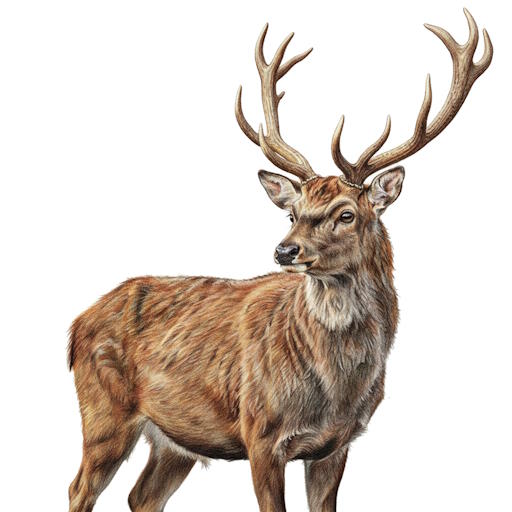
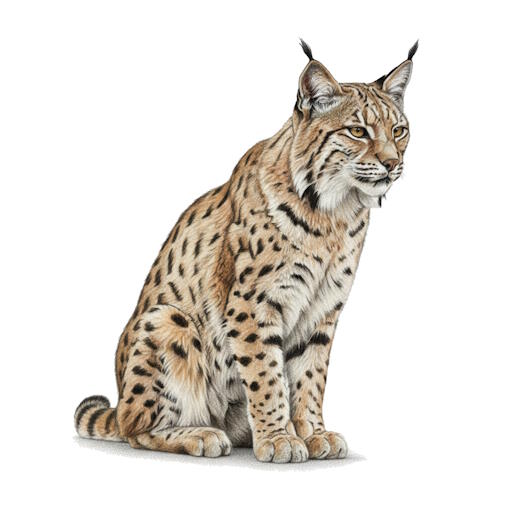
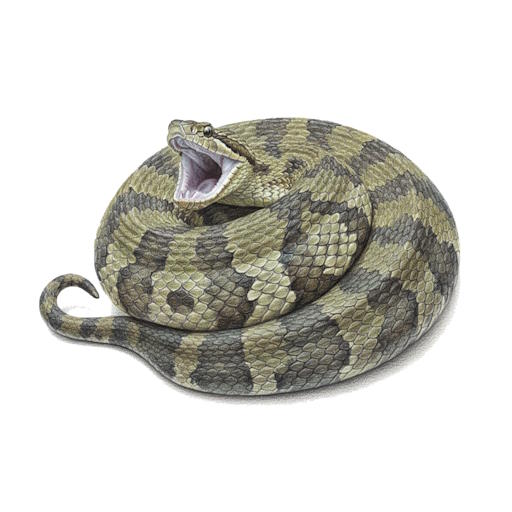
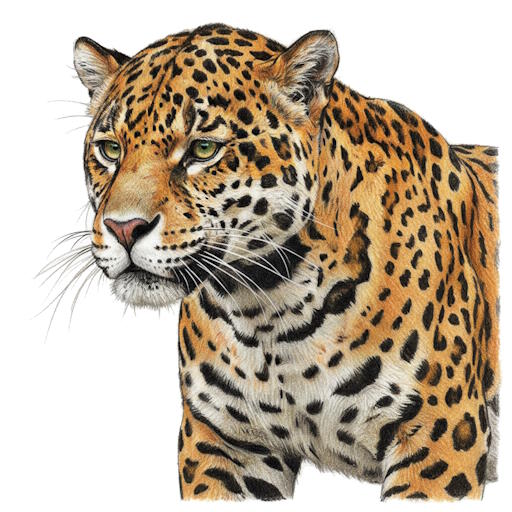
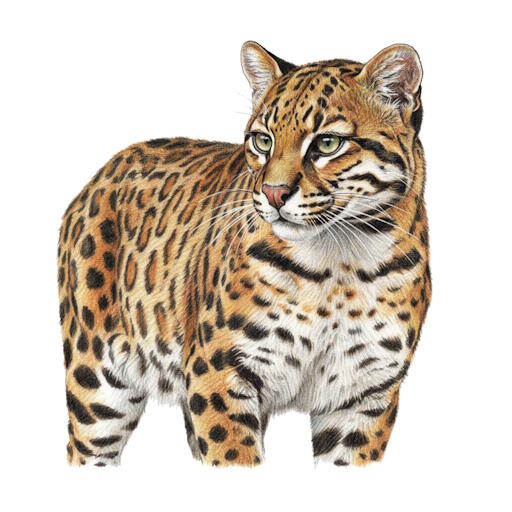
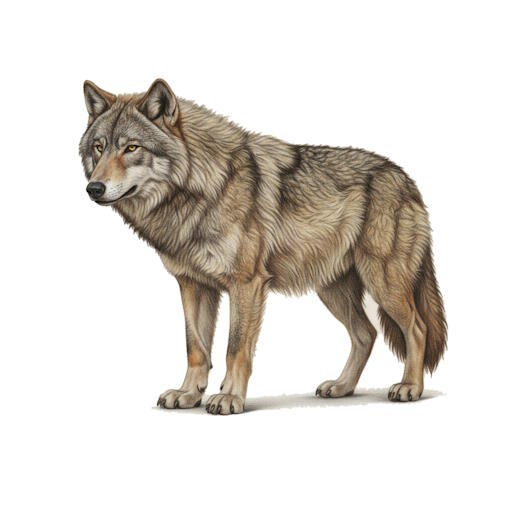
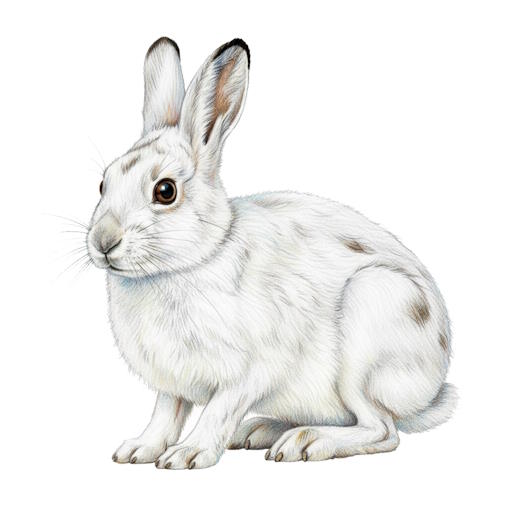
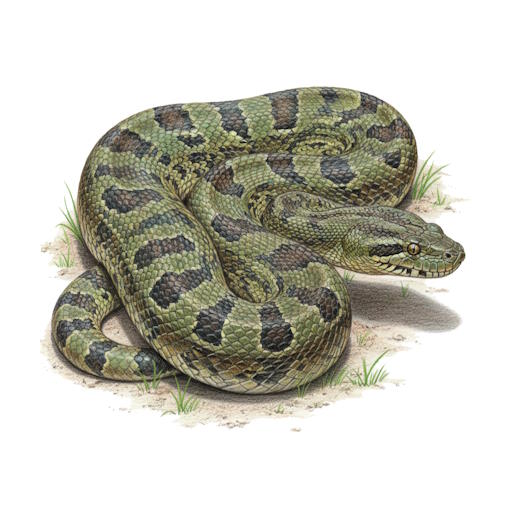
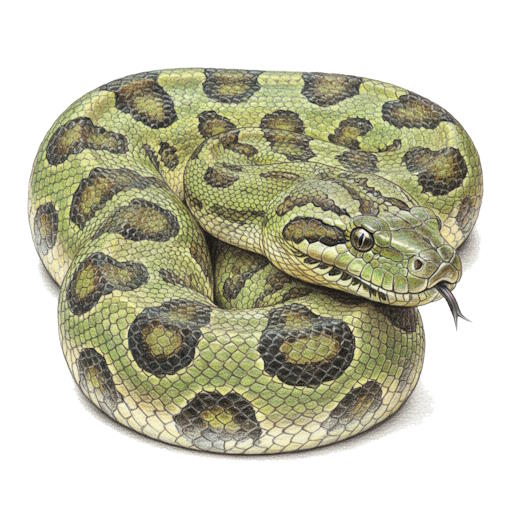
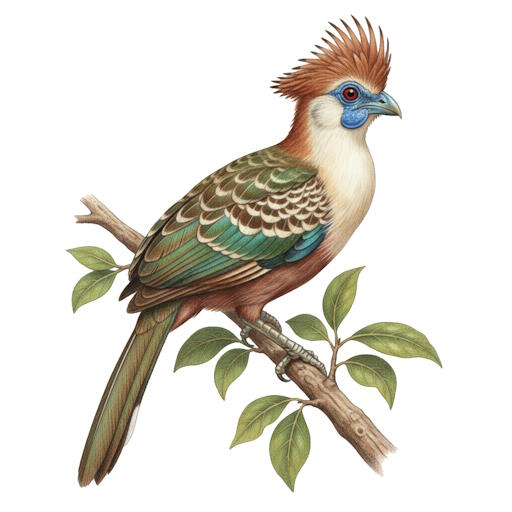
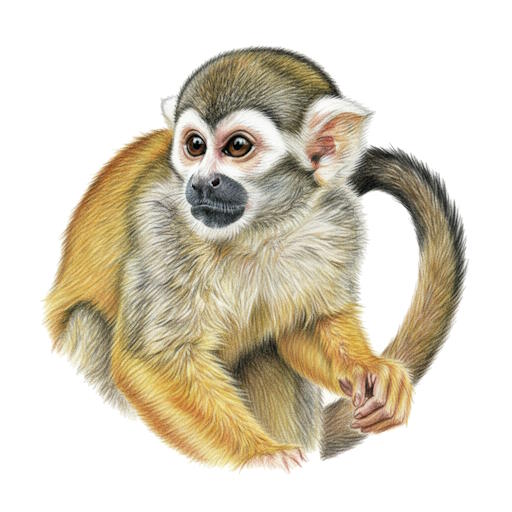
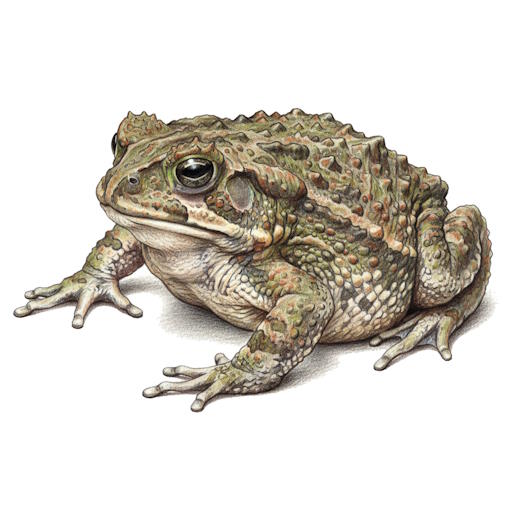
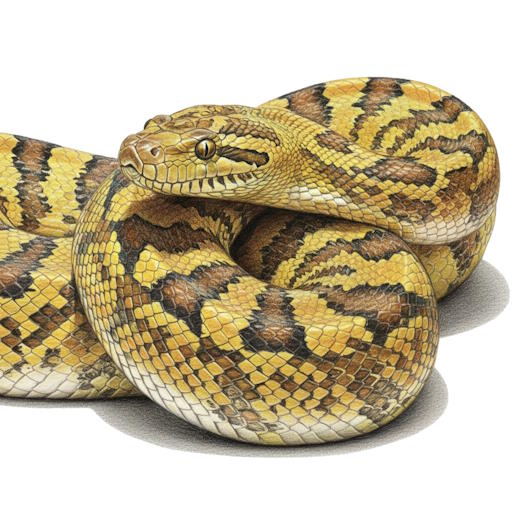
Animals which live in Swamps Habitat
Click on an image to learn more about one of the animals.