Tropical
Tropical regions, spanning the equatorial belt between the Tropics of Cancer and Capricorn, are renowned for their extraordinary biodiversity and lush, vibrant ecosystems. Characterized by consistently warm temperatures and high humidity year-round, these habitats provide ideal conditions for an astonishing array of plant and animal life. From dense rainforests to sun-drenched savannas and intricate coral reefs, tropical environments showcase nature's richness and complexity.
Types of Tropical Habitats:
- Tropical Rainforests: These iconic habitats are defined by their immense rainfall and towering, multi-layered canopy. They are Earth's most biodiverse terrestrial ecosystems, home to an incredible variety of species, many of which are endemic. The constant warmth and moisture foster rapid plant growth, leading to a vibrant competition for sunlight and resources.
- Tropical Dry Forests: Unlike rainforests, these forests experience a distinct dry season, during which many trees shed their leaves to conserve water. While less biodiverse than rainforests, they still support a unique collection of drought-adapted flora and fauna.
- Tropical Savannas: Characterized by vast grasslands interspersed with scattered trees and shrubs, savannas experience seasonal rainfall followed by dry periods. These open landscapes support large herbivores and their predators, playing a crucial role in global carbon cycles.
- Tropical Mangrove Forests: Found along coastlines and river deltas, mangroves are unique trees that thrive in brackish water. Their intricate root systems provide vital breeding grounds for marine life, protect coastlines from erosion, and act as significant carbon sinks.
- Tropical Coral Reefs: These underwater ecosystems are formed by colonies of tiny polyps and are often called the "rainforests of the sea." They are incredibly diverse, supporting a quarter of all marine species, and are vital for coastal protection and the livelihoods of millions of people.
Ecological Significance and Threats:
Tropical habitats play a critical role in global ecological processes. Tropical rainforests, for example, are often called the "lungs of the Earth" due to their significant contribution to oxygen production and carbon dioxide absorption. They also influence global weather patterns and host an unparalleled genetic library of species, many with potential medicinal value.
However, these invaluable ecosystems face severe threats. Deforestation for agriculture, logging, and mining, driven by human population growth and economic demands, is rapidly diminishing tropical forests. Climate change, pollution, and unsustainable fishing practices also pose significant dangers to coral reefs and other marine tropical environments. Conservation efforts, sustainable land use practices, and international cooperation are crucial to protect these vital habitats and the immense biodiversity they sustain for future generations.
Other Habitats
There are lots of other habitats to explore. Check out all of our habitats for more info.
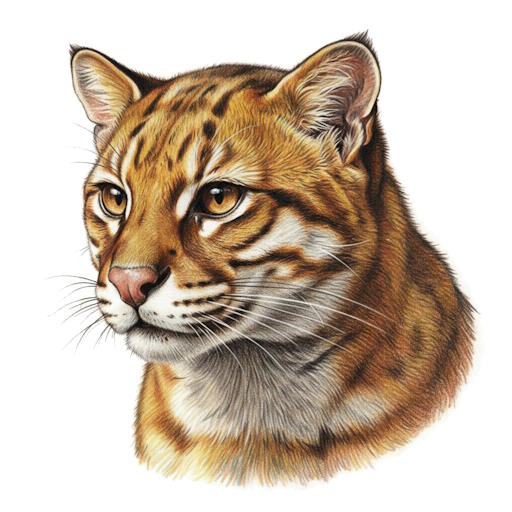
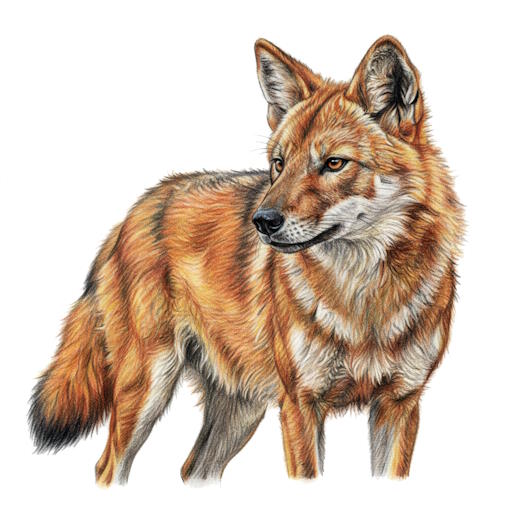
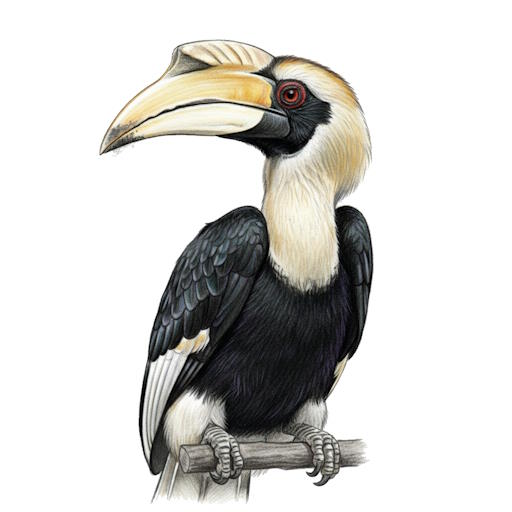
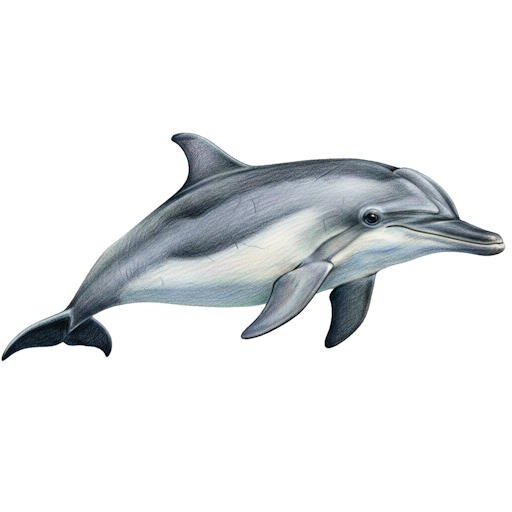
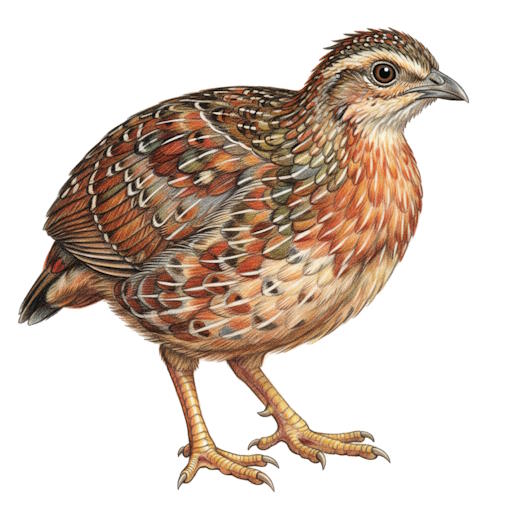
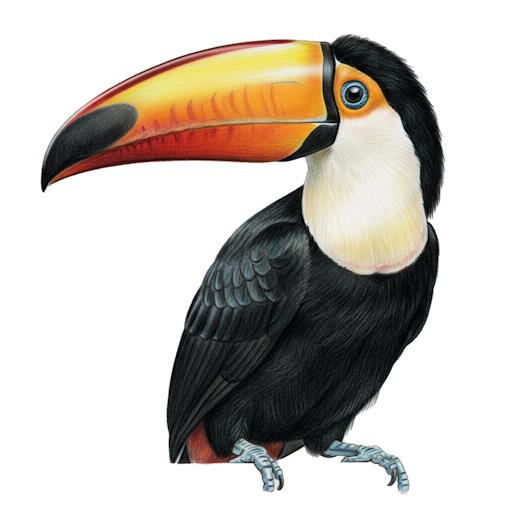
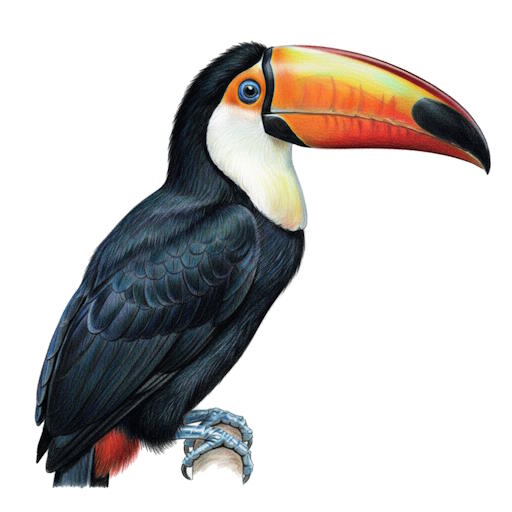
Animals which live in Tropical Habitat
Click on an image to learn more about one of the animals.