Tropical deciduous forests
Tropical deciduous forests, also known as monsoon forests, are vibrant and dynamic ecosystems characterized by a distinct dry season during which most trees shed their leaves. This remarkable adaptation allows them to conserve water and survive the arid conditions, bursting back into life with lush greenery once the rains return. These forests are typically found in regions with warm climates and seasonal rainfall, often bordering tropical rainforests and savannas.
Geographically, tropical deciduous forests are widespread, gracing parts of Central and South America, Africa, southern Asia, and northern Australia. Notable examples include the dry forests of Costa Rica, the Miombo woodlands of southern Africa, and the teak forests of India. The amount and timing of rainfall play a crucial role in shaping the specific characteristics of these forests, influencing tree height, species composition, and the length of the dry season.
The biodiversity within tropical deciduous forests is exceptionally rich, though often less dense than in evergreen rainforests. A wide array of plant species thrives here, from tall, deciduous trees like teak, sal, and mahogany to a diverse understory of shrubs, grasses, and climbing vines. Many plants have developed unique strategies to cope with the dry season, such as thick bark, water-storing stems, or specialized root systems.
This habitat is also home to an impressive variety of animal life. Mammals such as deer, monkeys, wild pigs, and various big cats like tigers and leopards roam these forests. Birds, reptiles, and insects are also abundant, many of which exhibit migratory patterns or aestivate (enter a state of dormancy) during the dry months to survive. The seasonal changes in the forest profoundly influence animal behavior, including breeding cycles and foraging strategies.
Tropical deciduous forests provide invaluable ecosystem services. They play a critical role in regional water cycles, preventing soil erosion, and supporting a vast network of interconnected species. They are also vital for human populations, offering timber, non-timber forest products, and contributing to local economies through ecotourism.
However, these magnificent forests face significant threats. Deforestation for agriculture, logging, and urban expansion are leading causes of habitat loss. Climate change, with its potential to alter rainfall patterns and increase the frequency of droughts, also poses a serious risk to the delicate balance of these ecosystems. Conservation efforts are crucial to protect these unique and invaluable habitats, safeguarding their biodiversity and the essential services they provide for both nature and humanity. Sustainable forestry practices, protected areas, and community involvement are key to their long-term survival.
Other Habitats
There are lots of other habitats to explore. Check out all of our habitats for more info.
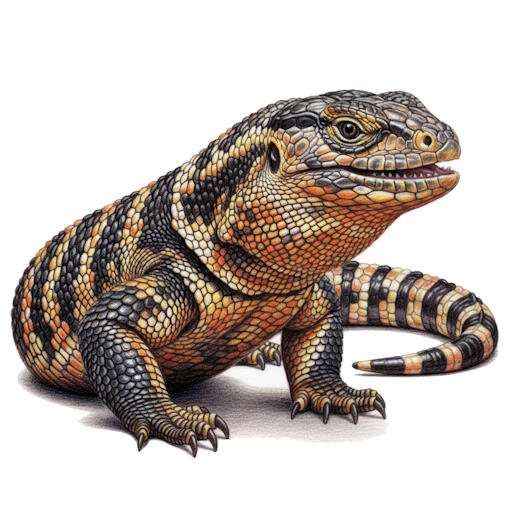
Animals which live in Tropical deciduous forests Habitat
Click on an image to learn more about one of the animals.