Tropical Forests
Tropical forests are lush, biodiverse ecosystems found in regions near the Earth's equator, characterized by high annual rainfall and consistently warm temperatures. These vibrant habitats, including both rainforests and seasonal tropical forests, are Earth's green lungs, playing a critical role in global climate regulation by absorbing vast amounts of carbon dioxide and producing oxygen.
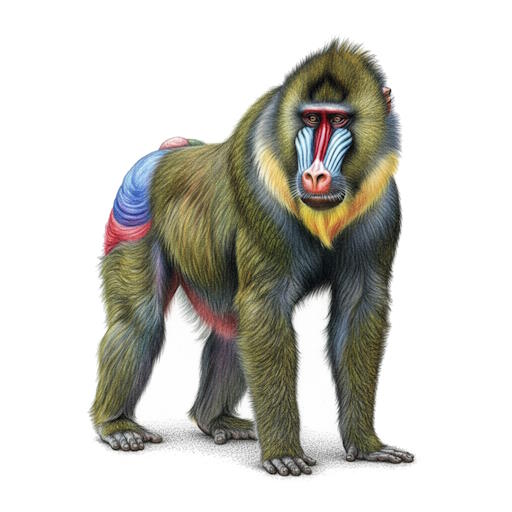
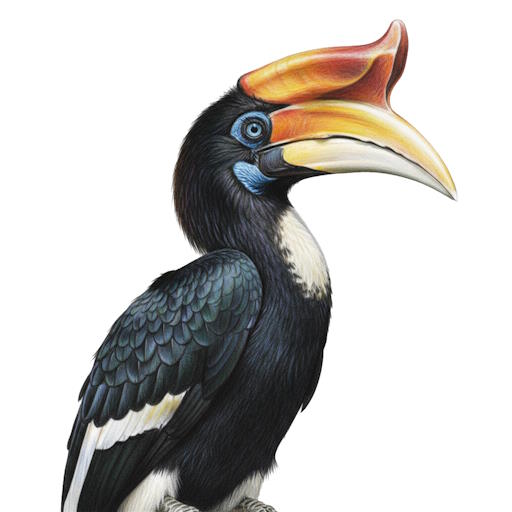
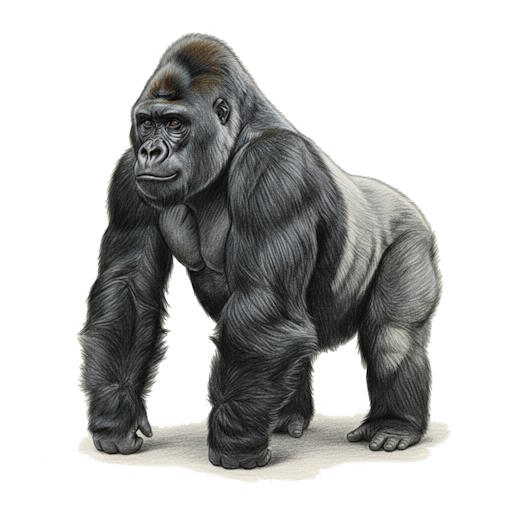
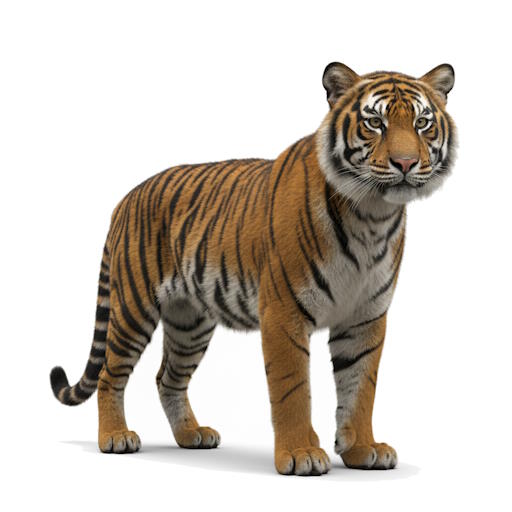
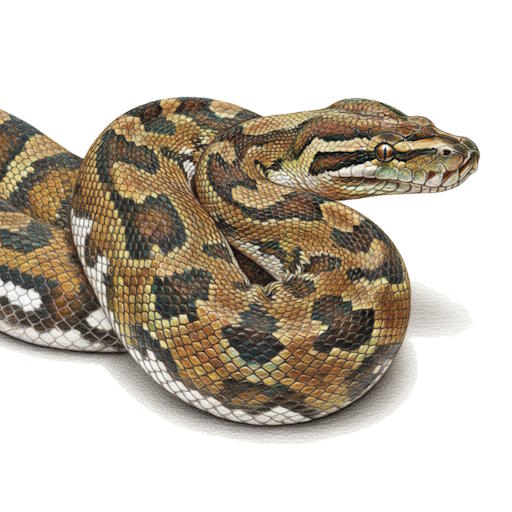
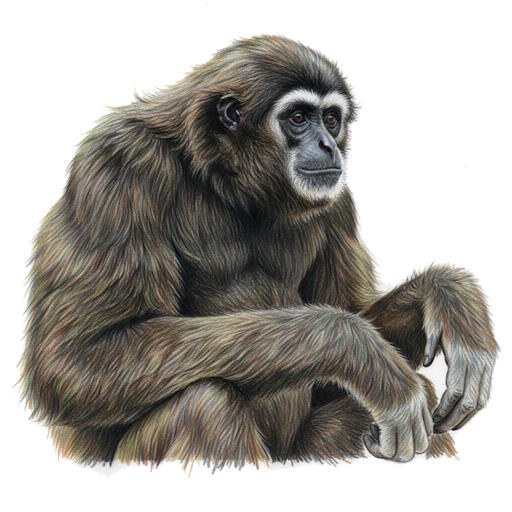
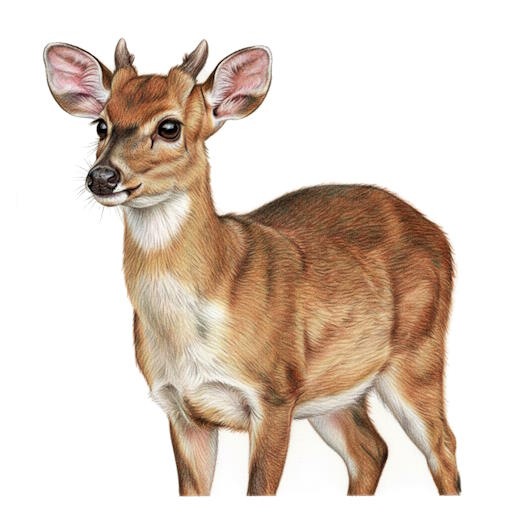
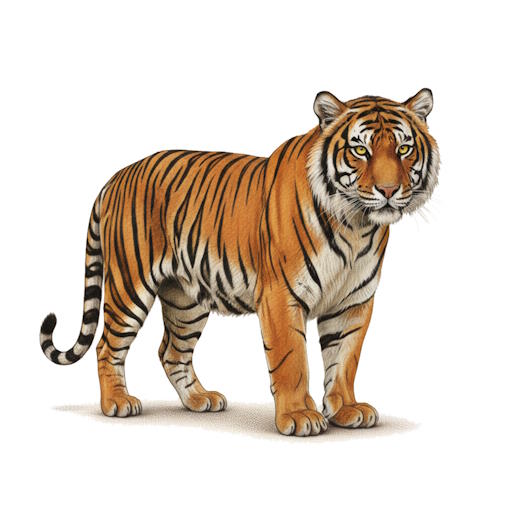
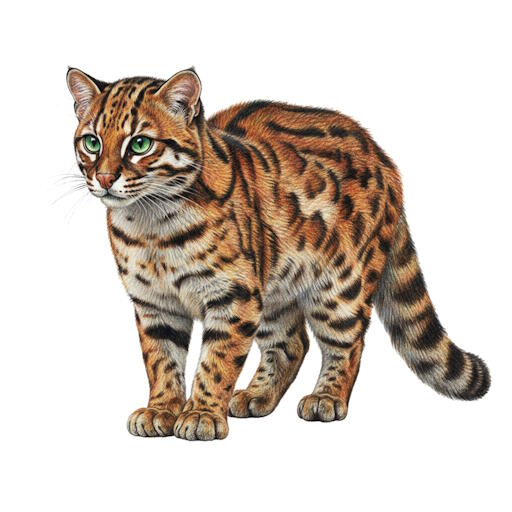
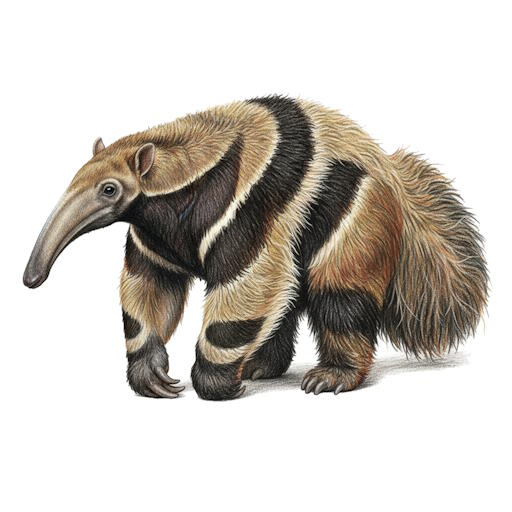
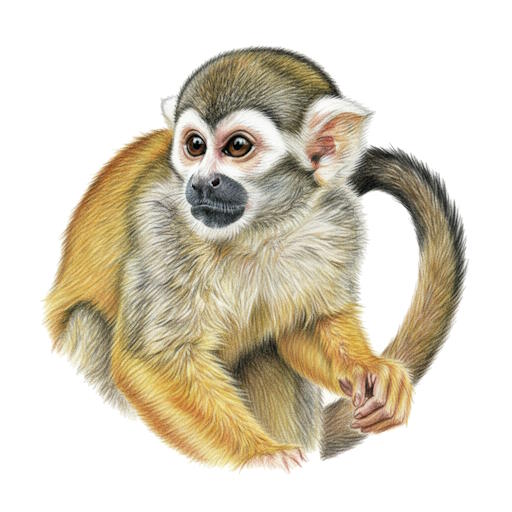
The defining feature of tropical forests is their incredible biodiversity. They are home to more than half of the world's plant and animal species, despite covering only a small percentage of the Earth's land surface. This remarkable variety is supported by a complex, multi-layered canopy structure, which creates diverse microhabitats from the sun-drenched treetops to the shaded forest floor. Iconic inhabitants include a vast array of primates, large cats like jaguars and leopards, colorful birds, and countless insect species, many of which are yet to be discovered.
Soil in tropical forests is often nutrient-poor, with the majority of nutrients held within the living biomass. This leads to a rapid decomposition cycle, where fallen leaves and organic matter quickly return nutrients to the ecosystem, fostering the continuous growth that defines these forests. Epiphytes, such as orchids and bromeliads, thrive by growing on other plants, capturing moisture and nutrients from the air.
Despite their ecological importance, tropical forests face severe threats from deforestation, logging, agriculture, and climate change. Protecting these vital habitats is crucial for maintaining global biodiversity, stabilizing climate patterns, and supporting the livelihoods of indigenous communities who depend on them.
Other Habitats
There are lots of other habitats to explore. Check out all of our habitats for more info.
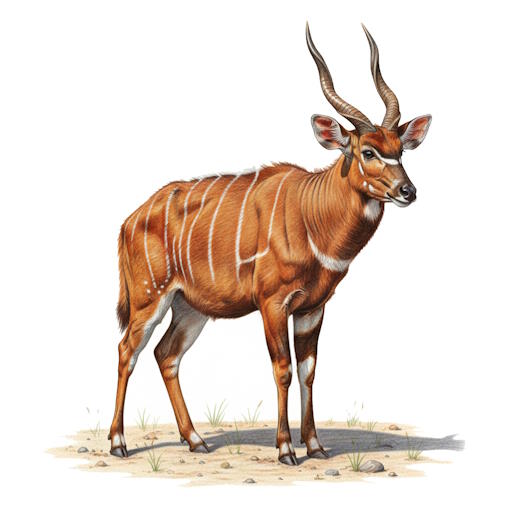
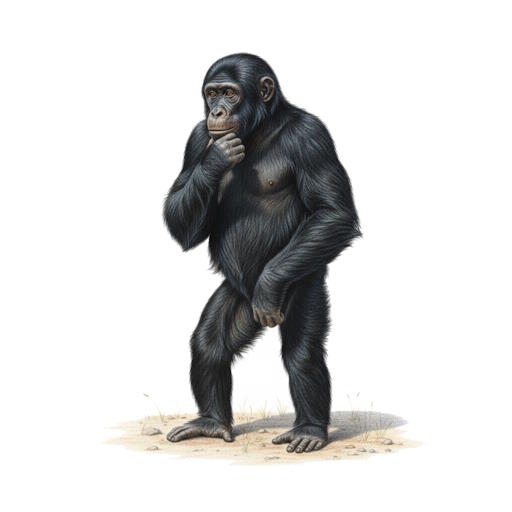
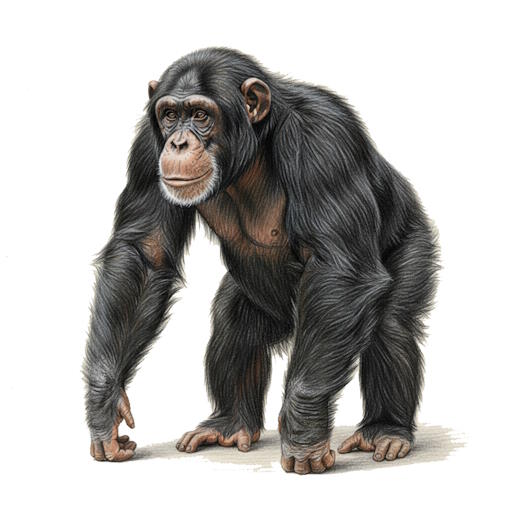
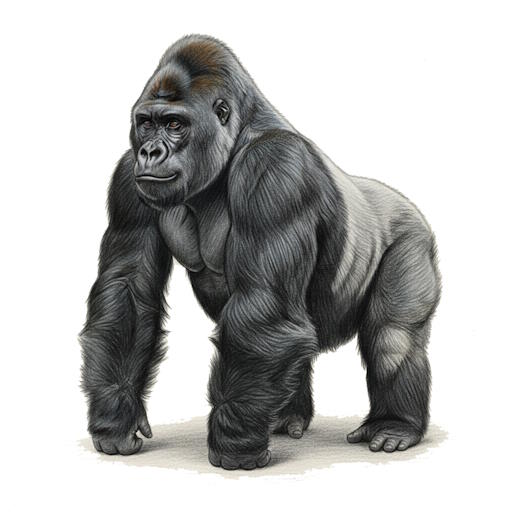
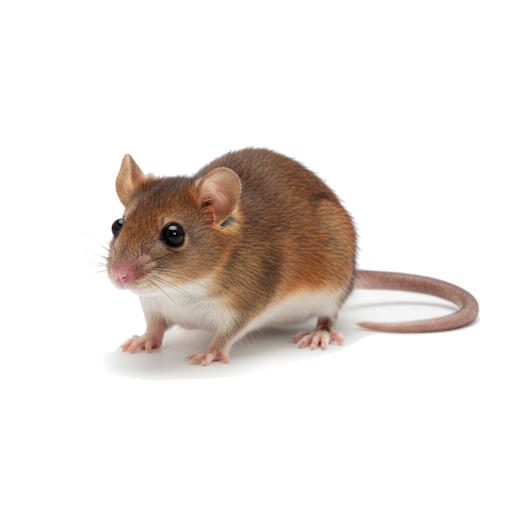
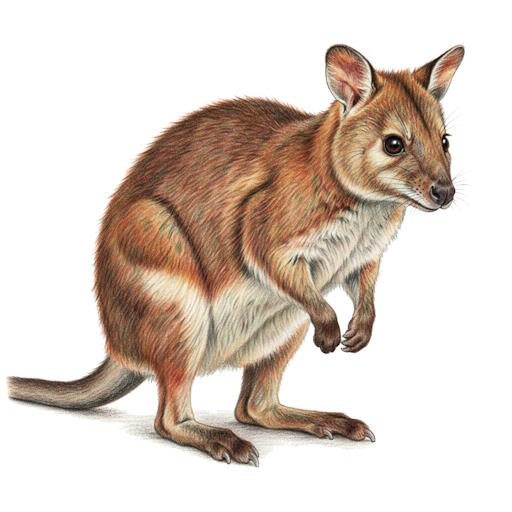
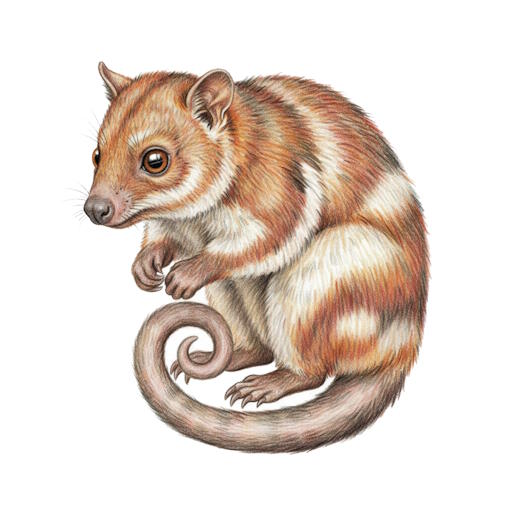
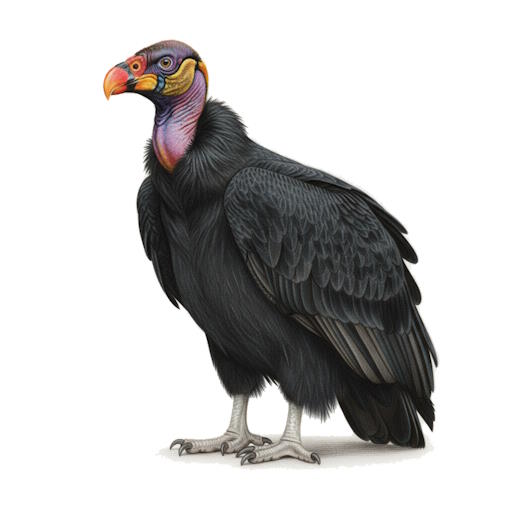
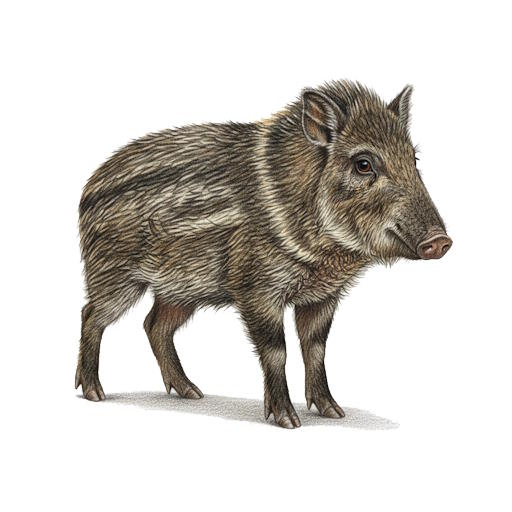
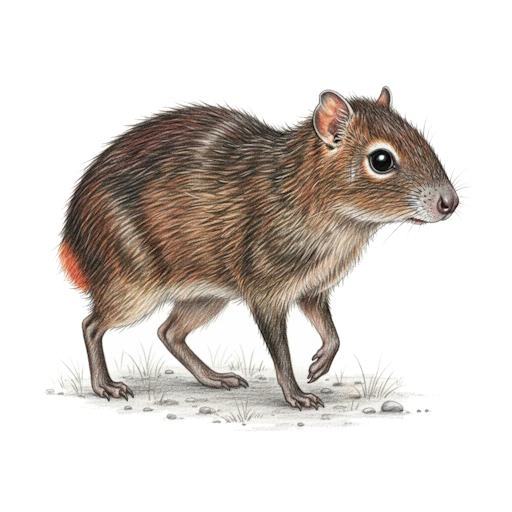
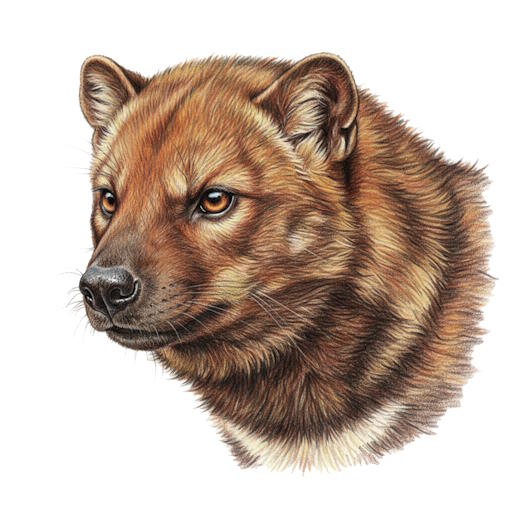
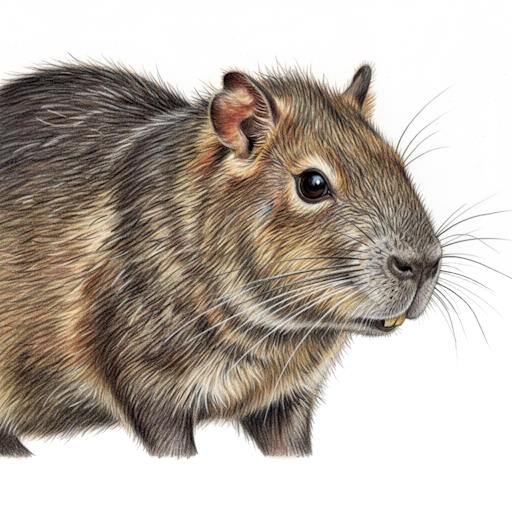
Animals which live in Tropical Forests Habitat
Click on an image to learn more about one of the animals.