Tropical Oceans
Tropical Oceans represent vast, warm, and biodiverse aquatic environments found between the Tropic of Cancer and the Tropic of Capricorn. Characterized by consistently high water temperatures, usually above 20°C (68°F), these oceans are home to an extraordinary array of marine life and play a crucial role in global ecosystems and climate regulation. From the vibrant coral reefs teeming with colorful fish to the deep, mysterious abyssal plains, tropical oceans offer an unparalleled spectacle of nature.
Key Features of Tropical Oceans:
- Coral Reefs: Often referred to as the "rainforests of the sea," coral reefs are perhaps the most iconic feature of tropical oceans. These intricate underwater structures, built by tiny coral polyps, support an incredible diversity of species, including thousands of fish, invertebrate, and plant species. They provide essential habitats, food sources, and protection for countless marine organisms.
- Warm Waters: The consistent warmth of tropical ocean waters allows for year-round biological activity and supports organisms that are highly sensitive to temperature fluctuations. This warmth also contributes to higher rates of evaporation, influencing global weather patterns.
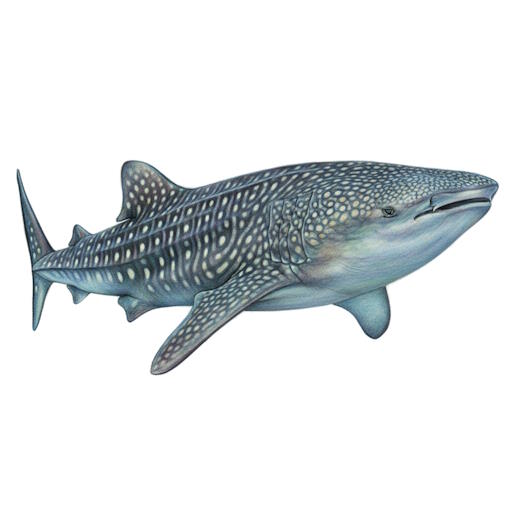
- High Biodiversity: Tropical oceans boast the highest marine biodiversity on Earth. This includes a vast range of sharks, dolphins, whales, sea turtles, countless fish species (like clownfish, surgeonfish, and parrotfish), mollusks, crustaceans, and a rich variety of plankton.
- Nutrient Cycling: While tropical waters can sometimes be nutrient-poor in the open ocean, upwellings and coastal currents can bring nutrient-rich waters to the surface, supporting productive fishing grounds and coastal ecosystems.
- Mangrove Forests and Seagrass Beds: Along tropical coastlines, these vital habitats serve as nurseries for many marine species, filter pollutants, and protect shorelines from erosion and storm surges. They are integral to the health of the adjacent ocean.
Ecological Significance and Threats:
Tropical oceans are vital for the planet's health. They produce a significant portion of the world's oxygen, absorb massive amounts of carbon dioxide, and provide essential resources for human populations, including food and livelihoods. However, these delicate ecosystems face numerous threats. Climate change, leading to ocean warming and acidification, causes coral bleaching and disrupts marine food webs. Overfishing, pollution (especially from plastics and agricultural runoff), and habitat destruction (such as the degradation of mangroves and seagrass beds) further endanger these precious environments.
Conservation efforts are critical to protect tropical oceans and their invaluable biodiversity. Establishing marine protected areas, regulating fishing practices, reducing pollution, and combating climate change are essential steps to ensure the long-term health and vitality of these magnificent aquatic realms for future generations.
Other Habitats
There are lots of other habitats to explore. Check out all of our habitats for more info.
Animals which live in Tropical Oceans Habitat
Click on an image to learn more about one of the animals.