Tropical rainforests
Tropical rainforests are Earth's most biodiverse terrestrial ecosystems, characterized by high annual rainfall, consistently warm temperatures, and dense, multi-layered vegetation. Found near the equator, these vibrant habitats are crucial for global climate regulation and host an astonishing array of plant and animal life.
Key Features of Tropical Rainforests:
- High Biodiversity: Tropical rainforests are home to over half of the world's plant and animal species, despite covering only about 6% of the Earth's land surface. This incredible diversity is due to stable, warm, and wet conditions that have allowed species to evolve and specialize over millions of years.
- Layered Structure: These forests are typically structured into several distinct layers: the emergent layer (tallest trees), the canopy (dense, upper layer of leaves and branches), the understory (smaller trees and shrubs), and the forest floor (leaf litter and decaying matter). Each layer supports unique communities of organisms.
- Abundant Rainfall: Tropical rainforests receive between 2,500 and 4,500 millimeters (100 to 180 inches) of rain annually, distributed throughout the year. This consistent moisture supports lush growth and high humidity.
- Warm Temperatures: Temperatures remain relatively constant year-round, typically ranging from 20°C to 30°C (68°F to 86°F), with little seasonal variation. This consistent warmth contributes to high rates of photosynthesis and decomposition.
- Nutrient Cycling: The soils in tropical rainforests are often poor in nutrients. However, the rapid decomposition of organic matter on the forest floor, aided by high temperatures and humidity, quickly returns nutrients to the living vegetation, creating a highly efficient nutrient cycle.
Ecological Importance:
Tropical rainforests play a vital role in maintaining global ecological balance. They act as "lungs of the Earth," absorbing vast amounts of carbon dioxide and releasing oxygen, which helps regulate the planet's climate. They also influence regional weather patterns by releasing significant amounts of moisture into the atmosphere through evapotranspiration. Many indigenous communities also call these forests home, relying on their resources for survival and cultural practices.
Threats to Tropical Rainforests:
Despite their immense importance, tropical rainforests face severe threats from deforestation, primarily due to agriculture (cattle ranching, soy, palm oil), logging, mining, and infrastructure development. Climate change further exacerbates these pressures. The loss of rainforests not only leads to significant biodiversity loss but also contributes to global warming and disrupts vital ecological processes.
Protecting tropical rainforests is essential for conserving biodiversity, mitigating climate change, and sustaining the livelihoods of countless species and human populations worldwide.
Other Habitats
There are lots of other habitats to explore. Check out all of our habitats for more info.
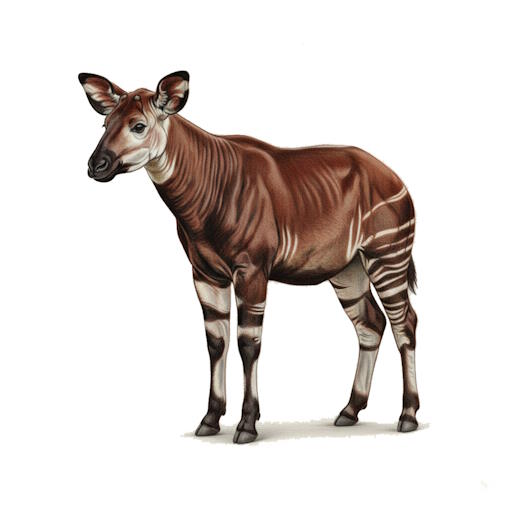
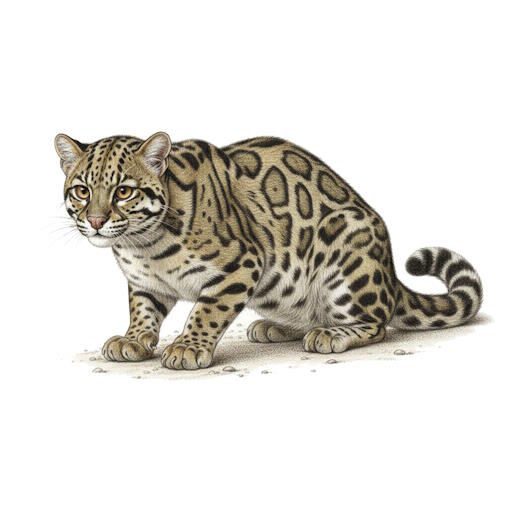
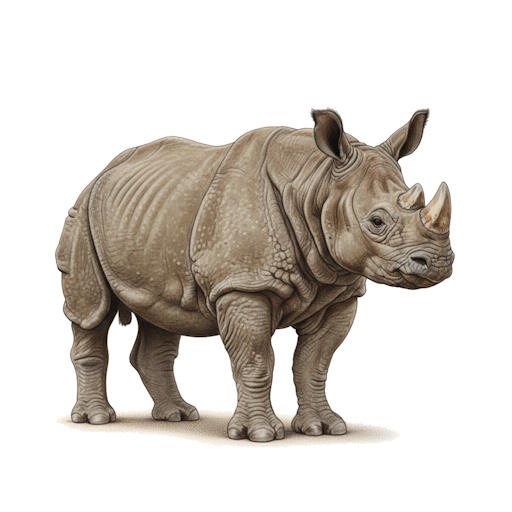
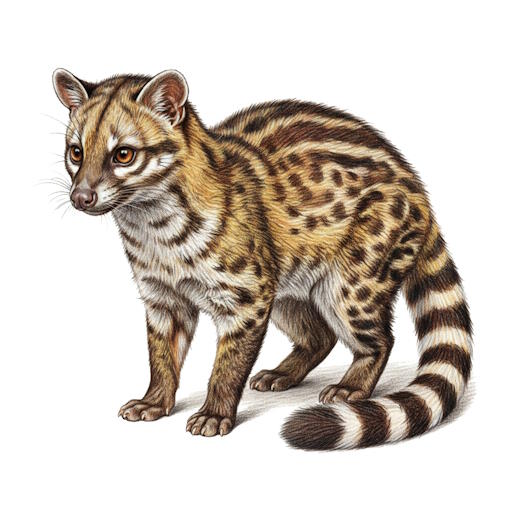
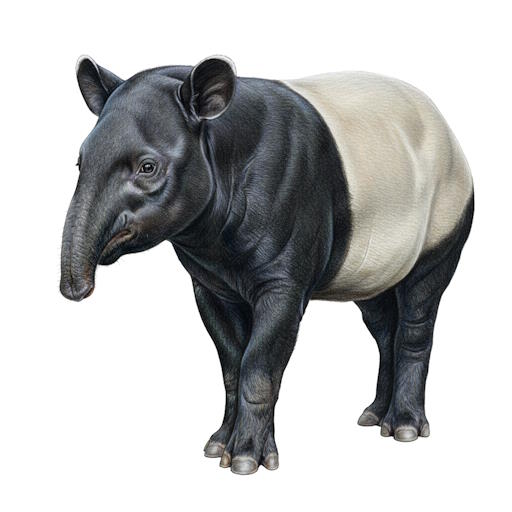
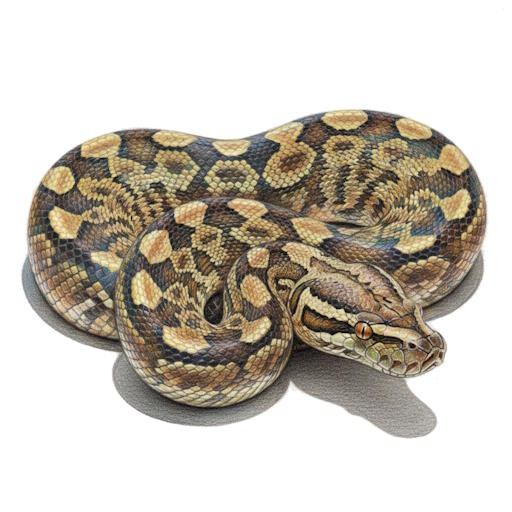
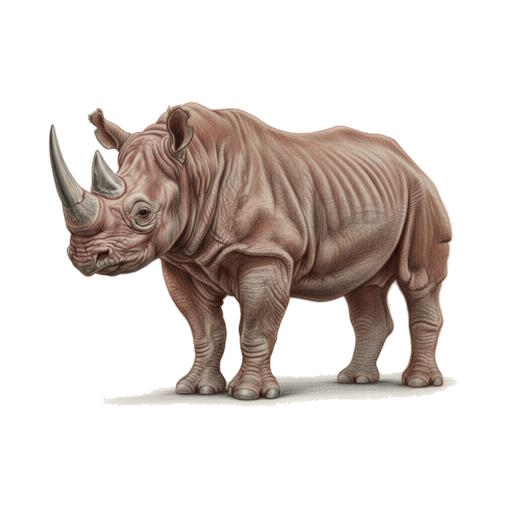
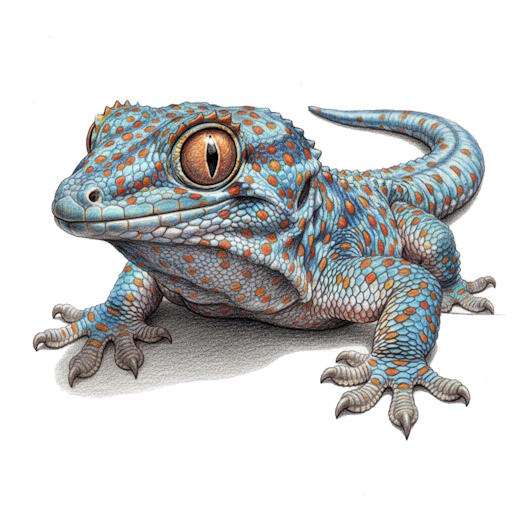
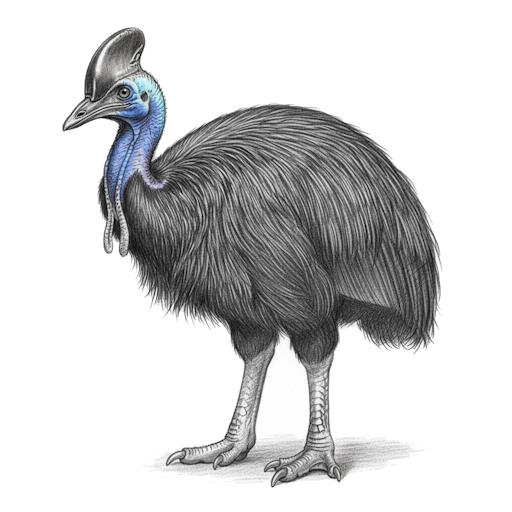
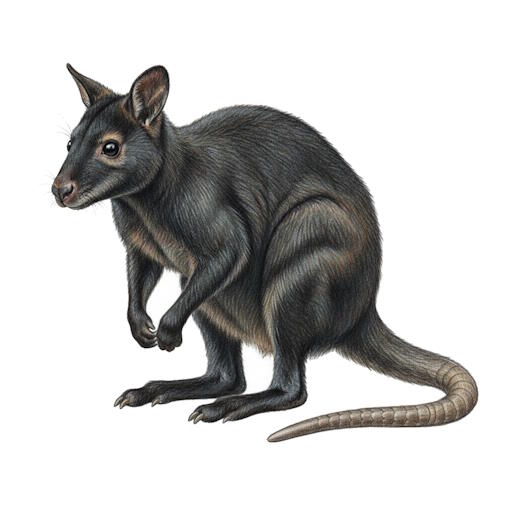
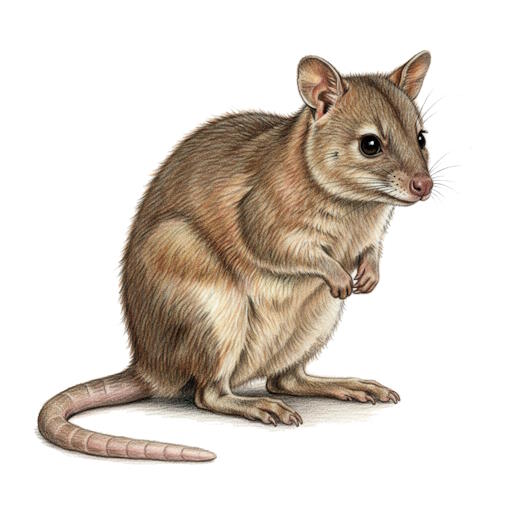
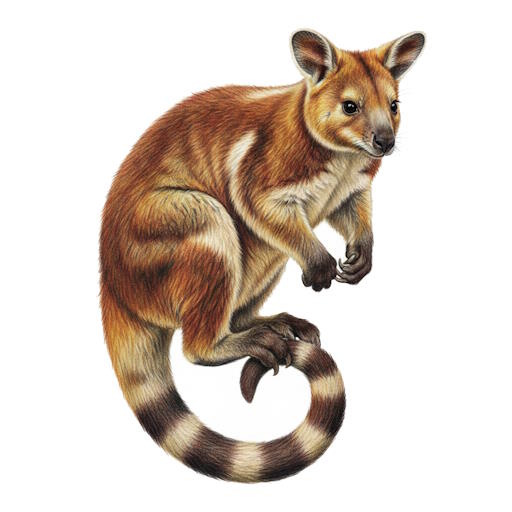
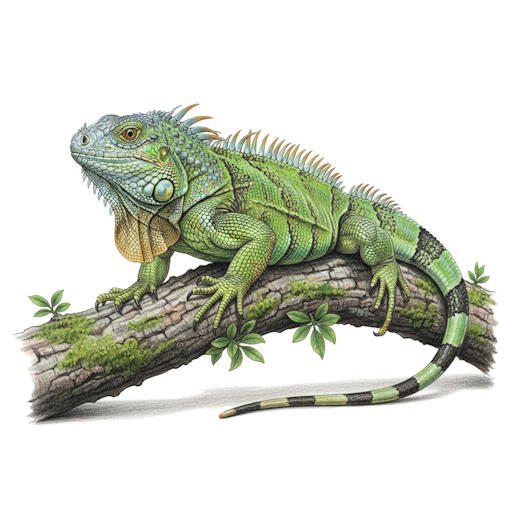
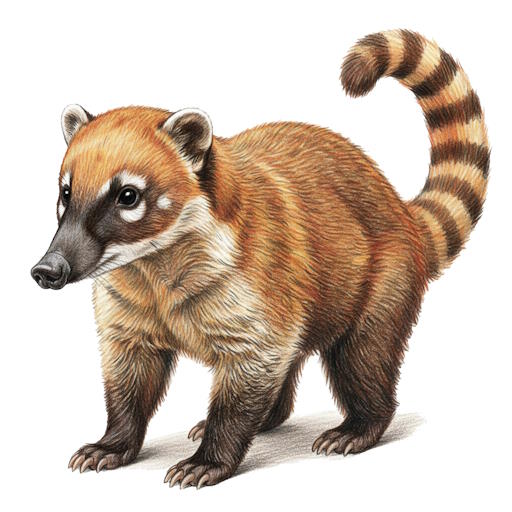
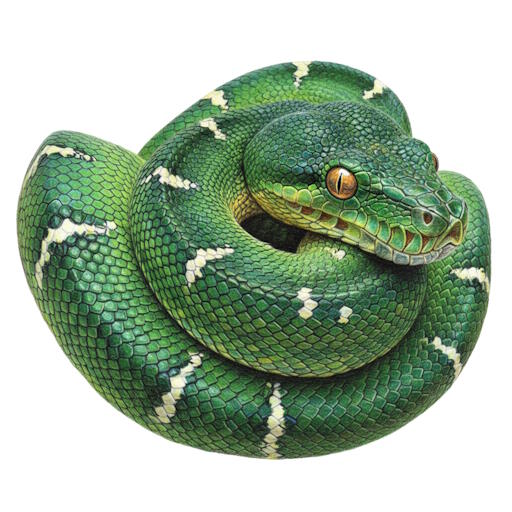
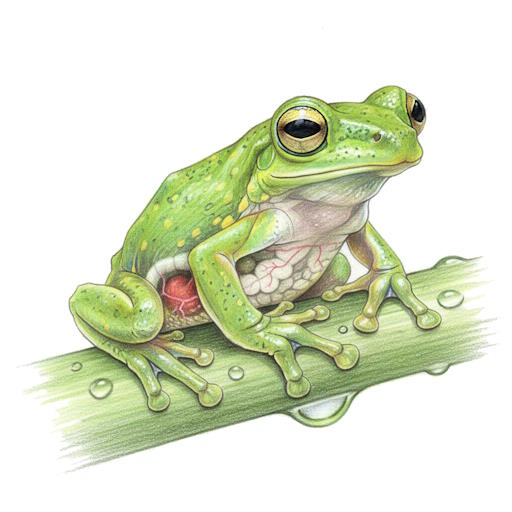
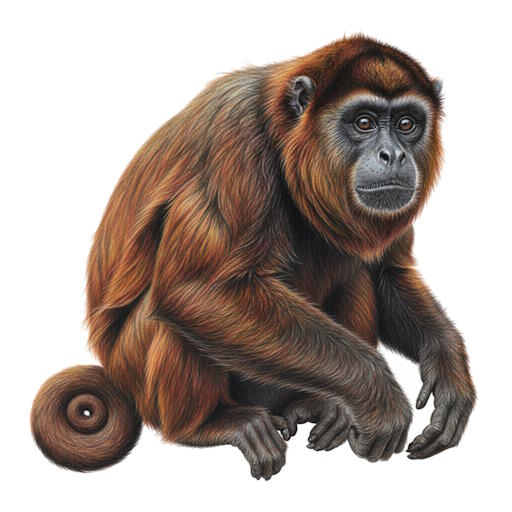
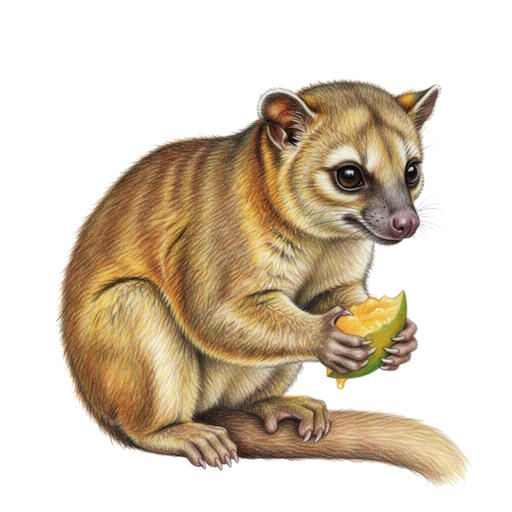
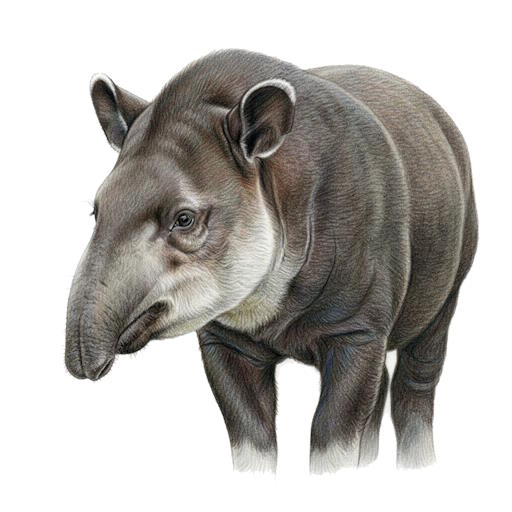
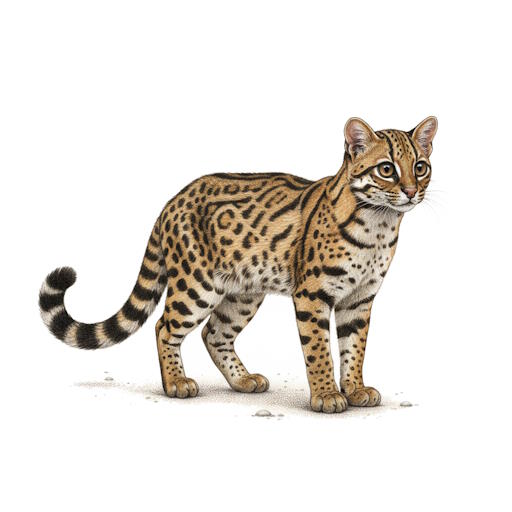
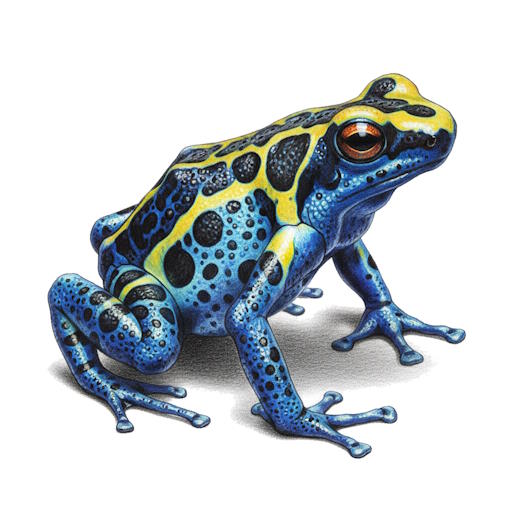
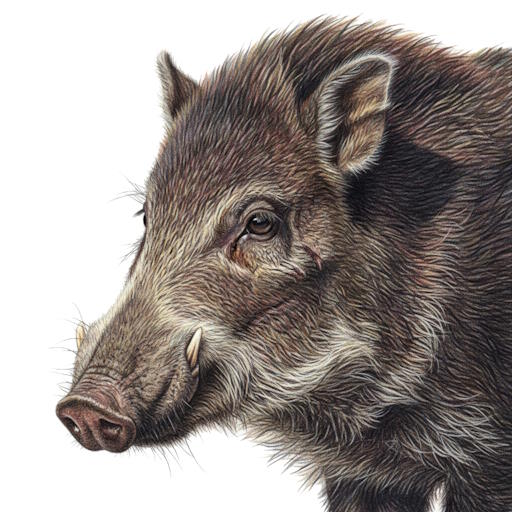
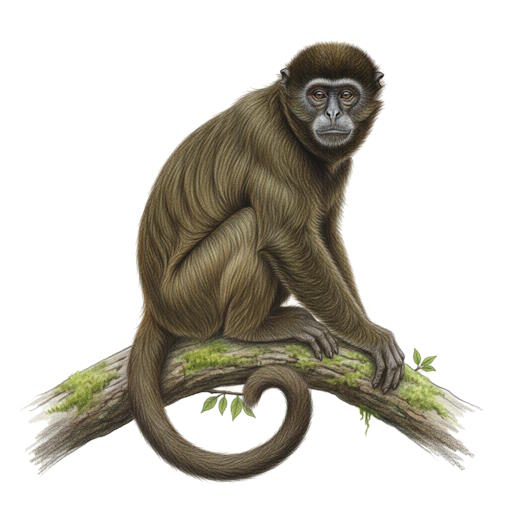
Animals which live in Tropical rainforests Habitat
Click on an image to learn more about one of the animals.