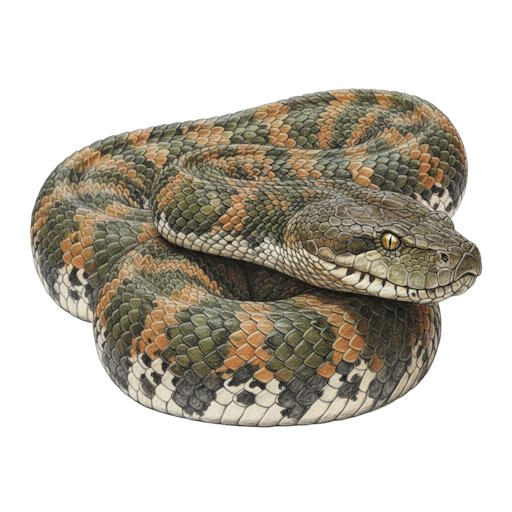
Tropical Swamps
Tropical Swamps: Biodiversity Hotspots of the Humid Tropics
Tropical swamps are unique and vital wetland ecosystems characterized by their permanent or semi-permanent saturation with water, typically in tropical and subtropical regions. These fascinating habitats are often dominated by water-tolerant vegetation, including trees, shrubs, and various herbaceous plants adapted to anaerobic soil conditions. The constant presence of water, often slow-moving or stagnant, creates a distinct environment that supports an incredible array of biodiversity.
Characteristics of Tropical Swamps:
- Hydrology: Tropical swamps are defined by their hydrological regime, with water levels fluctuating seasonally but remaining largely saturated. This constant moisture shapes the plant and animal life found within them.
- Vegetation: Adapted plants, such as mangroves in coastal areas or cypress and tupelo trees in freshwater swamps, thrive in these waterlogged conditions. Their specialized root systems, like prop roots and pneumatophores, help them access oxygen and stabilize themselves in soft, muddy soils.
- Soil Composition: Soils in tropical swamps are typically rich in organic matter due to the slow decomposition rates in waterlogged, oxygen-poor environments. This contributes to the unique chemistry and nutrient cycles of these habitats.
- Climate: Located in tropical and subtropical zones, these swamps experience high temperatures and abundant rainfall, creating the humid conditions necessary for their existence.
Ecological Importance:
Tropical swamps are ecological powerhouses, providing numerous ecosystem services:
- Biodiversity Hubs: They are home to a remarkable diversity of flora and fauna, including many endemic and endangered species. These habitats serve as crucial breeding grounds, nurseries, and feeding areas for a wide range of amphibians, reptiles, birds, fish, and invertebrates.
- Water Filtration: The dense vegetation and saturated soils act as natural filters, removing pollutants and excess nutrients from water, thus improving water quality in surrounding areas.
- Flood Control: Swamps absorb and slow down floodwaters, reducing the impact of heavy rainfall and preventing downstream flooding.
- Carbon Sequestration: Due to the accumulation of organic matter, tropical swamps are significant carbon sinks, playing a vital role in mitigating climate change by storing large amounts of carbon.
- Coastal Protection: In coastal areas, mangrove swamps act as natural barriers, protecting coastlines from erosion, storm surges, and tsunamis.
Threats and Conservation:
Despite their immense value, tropical swamps face significant threats from human activities, including deforestation, agricultural expansion, urban development, pollution, and climate change. Conservation efforts are crucial to protect these invaluable ecosystems and the diverse life they support. Sustainable management practices, wetland restoration, and the establishment of protected areas are vital steps in ensuring the long-term health and survival of tropical swamps worldwide.
Other Habitats
There are lots of other habitats to explore. Check out all of our habitats for more info.
Animals which live in Tropical Swamps Habitat
Click on an image to learn more about one of the animals.