Tundra
The tundra is a unique and captivating biome characterized by its extremely cold temperatures, low precipitation, and a distinct lack of trees. Derived from the Finnish word "tunturia," meaning "treeless plain," the tundra is found in the Earth's polar regions and at high altitudes on mountains.
Key Characteristics of the Tundra:
- Permafrost: A defining feature of the tundra is permafrost, a layer of permanently frozen ground that lies beneath the surface. This frozen layer prevents water from draining deeply, leading to boggy conditions in the summer.
- Low-Growing Vegetation: Due to the harsh conditions, only specialized low-growing plants thrive in the tundra. These include mosses, lichens, sedges, grasses, and dwarf shrubs. Their shallow root systems are adapted to the thin active layer above the permafrost.
- Extreme Cold: Winters in the tundra are long, dark, and brutally cold, with temperatures often dropping well below freezing. Summers are short and cool, with average temperatures rarely exceeding 10°C (50°F).
- Low Precipitation: Despite often being covered in snow, the tundra receives very little annual precipitation, classifying it as a cold desert.
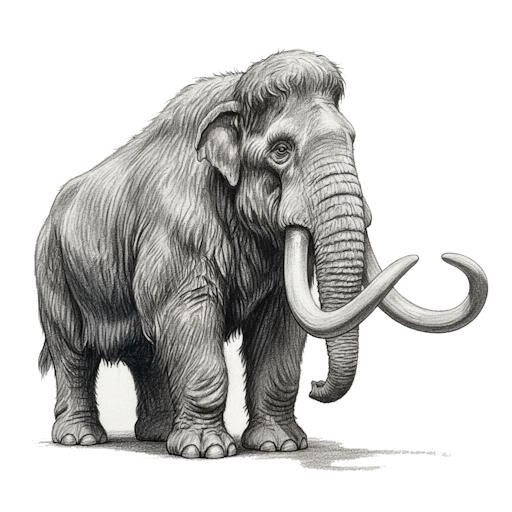
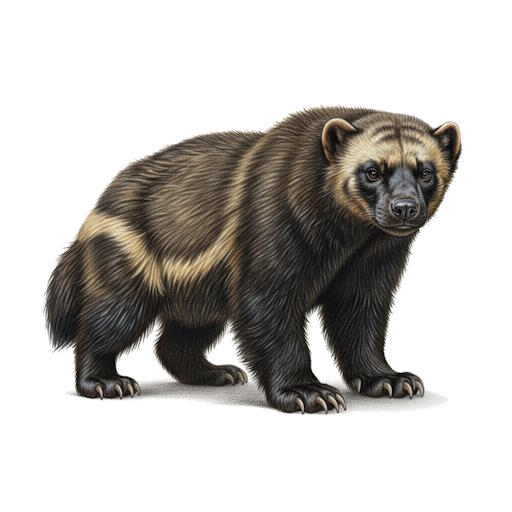
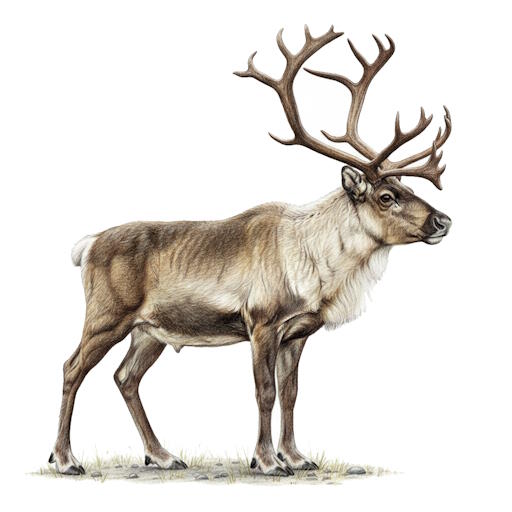
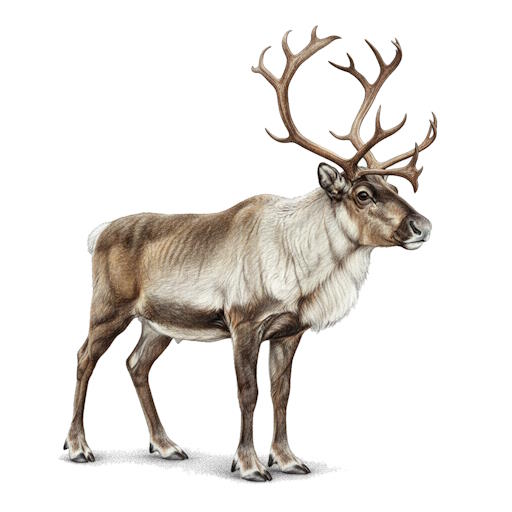
- Unique Wildlife: The tundra supports a diverse array of specially adapted wildlife, including reindeer, caribou, musk oxen, arctic foxes, polar bears, snowy owls, and various migratory birds. Many animals have thick fur or feathers, and some hibernate or migrate to survive the winter.
Types of Tundra:
- Arctic Tundra: Located in the Northern Hemisphere, circling the North Pole. It covers vast areas of North America, Europe, and Asia.
- Alpine Tundra: Found on mountains worldwide, above the treeline, regardless of latitude. Alpine tundra experiences similar harsh conditions to arctic tundra, but typically lacks permafrost.
The tundra plays a crucial role in global climate regulation, as its permafrost stores vast amounts of carbon. However, it is also one of the most fragile biomes, highly susceptible to the impacts of climate change, with rising temperatures threatening to thaw permafrost and release greenhouse gases.
Exploring the tundra offers a glimpse into a world of stark beauty and incredible resilience, where life finds a way to flourish against all odds.
Other Habitats
There are lots of other habitats to explore. Check out all of our habitats for more info.
Animals which live in Tundra Habitat
Click on an image to learn more about one of the animals.