Tundra Regions
The Tundra Regions, characterized by their extremely cold, dry, and windy conditions, represent one of Earth's most resilient and fragile habitats. This unique biome is found in the polar regions (Arctic tundra) and at high altitudes on mountains (alpine tundra), both of which share defining features: permafrost, a permanently frozen layer of subsoil, and a short growing season.
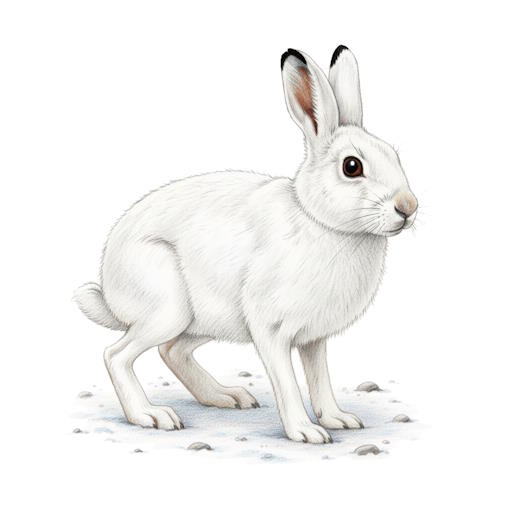
Life in the tundra has adapted ingeniously to these harsh realities. The vegetation is low-growing, consisting primarily of mosses, lichens, sedges, grasses, and dwarf shrubs. These plants are tough, slow-growing, and often reproduce clonally, spreading horizontally to maximize their access to limited warmth and nutrients. Their shallow root systems are a direct response to the impenetrable permafrost beneath. For wildlife, adaptations include thick fur or feathers for insulation, a reliance on camouflage, and often migratory patterns to escape the most severe winter months. Iconic tundra animals like caribou, arctic foxes, polar bears, and various bird species thrive in this environment, each playing a vital role in the delicate food web.
Despite its remote and seemingly unchanging nature, the tundra is highly susceptible to environmental changes. Global warming, in particular, poses a significant threat. Rising temperatures can cause permafrost to thaw, leading to the release of greenhouse gases trapped within the ice, altering drainage patterns, and destabilizing the ground. This thawing can disrupt the entire ecosystem, impacting plant communities, animal migration routes, and traditional indigenous livelihoods. Additionally, human activities such as resource extraction and increased tourism can leave lasting impacts on this slow-to-recover landscape.
The conservation of Tundra Regions is crucial, not only for the unique species they support but also for their role in global climate regulation. Efforts to mitigate climate change, establish protected areas, and promote sustainable practices are essential to preserve the ecological integrity of these remarkable and vulnerable habitats for future generations. Understanding and appreciating the resilience of the tundra and its inhabitants underscores the importance of safeguarding this vital part of our planet's natural heritage.
Other Habitats
There are lots of other habitats to explore. Check out all of our habitats for more info.
Animals which live in Tundra Regions Habitat
Click on an image to learn more about one of the animals.