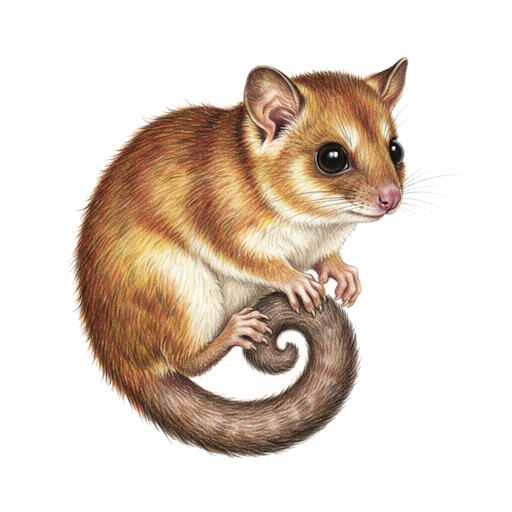
Valdivian temperate rainforests
The Valdivian temperate rainforests, located along the southwestern coast of South America, primarily in Chile and a small part of Argentina, are a truly unique and ecologically significant habitat. Often referred to as one of the world's last remaining large temperate rainforests, this ecoregion is a global biodiversity hotspot, renowned for its exceptionally high levels of endemism and its ancient, lush forests.
Geographic Location and Climate
Stretching from approximately 35°S to 48°S latitude, the Valdivian rainforests are influenced by the Pacific Ocean and the Andes Mountains. The climate is characterized by abundant rainfall throughout the year, ranging from 1,500 mm to over 6,000 mm annually in some areas, and mild temperatures, with limited seasonal variation. This consistent moisture and moderate climate create ideal conditions for the dense, multi-layered forest structure.
Unique Flora
What sets the Valdivian temperate rainforests apart is their remarkable flora, with a high proportion of endemic species. Dominant tree species include several ancient conifers like the Alerce (Fitzroya cupressoides), one of the longest-living tree species on Earth, and various species of Nothofagus (southern beech). The understory is incredibly rich and diverse, featuring an abundance of ferns, mosses, lichens, and a vibrant array of flowering plants, including numerous species of fuchsias and native bamboo. The presence of these ancient lineages gives the forest a prehistoric feel.
Rich Fauna
The Valdivian rainforests support a diverse array of animal life, many of which are found nowhere else on Earth. Iconic mammals include the world's smallest deer, the Pudu, and the elusive Kodkod, a small wild cat. Birdlife is abundant and colorful, with species such as the Magellanic Woodpecker and various hummingbirds. The amphibian and invertebrate populations are also notably diverse, contributing to the complex food webs within this ecosystem.
Ecological Significance and Threats
Beyond its incredible biodiversity, the Valdivian temperate rainforests play a crucial role in regional hydrology and climate regulation. They act as significant carbon sinks and help regulate water cycles. However, this invaluable ecosystem faces numerous threats, including deforestation for agriculture and forestry, the expansion of human settlements, and the impacts of climate change. Conservation efforts are vital to protect this irreplaceable natural heritage and its unique species.
The Valdivian temperate rainforests are a testament to the planet's ecological richness. Their ancient trees, unique plant life, and endemic fauna make them a critical area for global conservation. Understanding and preserving this remarkable habitat is essential for maintaining global biodiversity and ecological balance.
Other Habitats
There are lots of other habitats to explore. Check out all of our habitats for more info.
Animals which live in Valdivian temperate rainforests Habitat
Click on an image to learn more about one of the animals.