Wetlands
Wetlands are incredibly diverse and vital ecosystems that serve as critical interfaces between land and water. These unique habitats are characterized by the presence of water, either permanently or seasonally, leading to distinctive soil conditions and plant and animal communities adapted to these saturated environments. From vast marshes and swamps to bogs and fens, wetlands play an indispensable role in maintaining ecological balance and supporting a wide array of life.
One of the primary functions of wetlands is water purification. As water flows through these areas, wetland plants and soils act as natural filters, removing pollutants, sediments, and excess nutrients before they reach larger bodies of water like rivers and lakes. This natural filtration process helps to improve water quality, prevent harmful algal blooms, and protect aquatic ecosystems downstream.
Beyond their purification capabilities, wetlands are also crucial for flood control. They act like natural sponges, absorbing and storing excess rainwater and floodwaters, which helps to reduce the impact of flooding on surrounding areas. This ability to regulate water flow is particularly important in areas prone to heavy rainfall or coastal storms, where wetlands can significantly mitigate damage to infrastructure and communities.
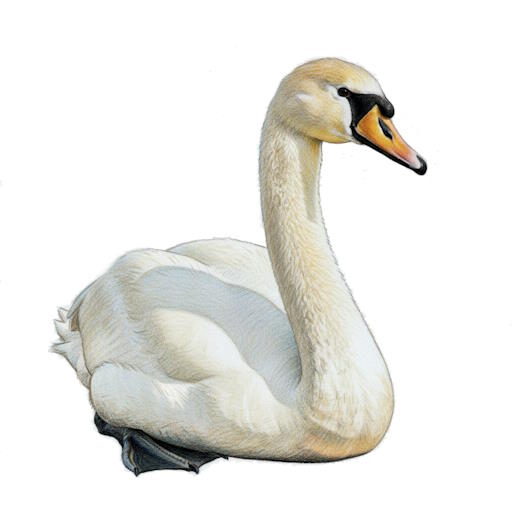
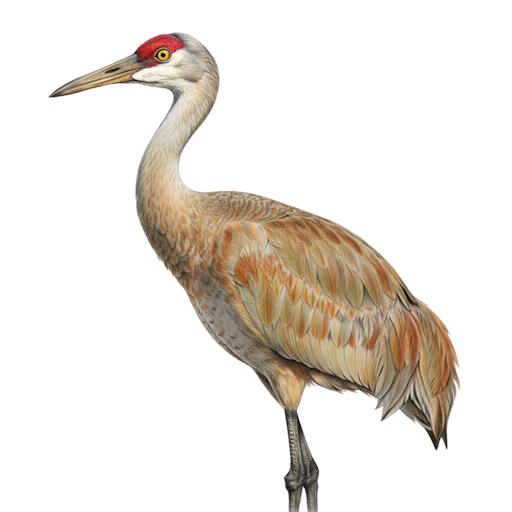
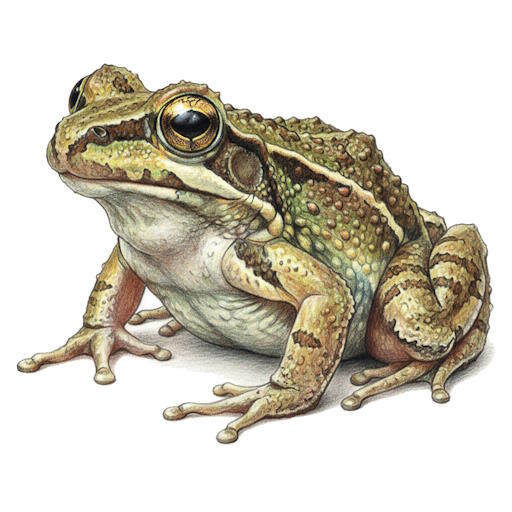
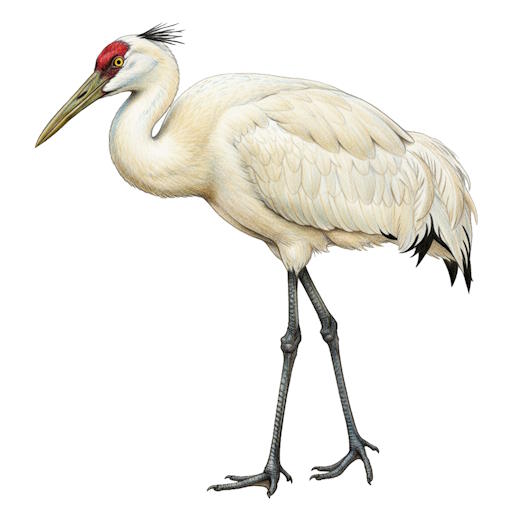
Furthermore, wetlands are biodiversity hotspots, providing essential habitats for countless species of plants, insects, fish, amphibians, reptiles, birds, and mammals. Many migratory bird species rely on wetlands as crucial stopover points and breeding grounds, while numerous fish species use them as spawning and nursery areas. The rich diversity of plant life, including water lilies, cattails, and various sedges, forms the base of complex food webs and offers shelter and sustenance for a myriad of creatures.
Despite their immense ecological value, wetlands worldwide face significant threats from human activities. Drainage for agriculture and urban development, pollution, and climate change are leading to the degradation and loss of these vital ecosystems at an alarming rate. Protecting and restoring wetlands is paramount for safeguarding biodiversity, ensuring clean water supplies, and building resilience against the impacts of climate change.
Conservation efforts for wetlands often involve a multifaceted approach, including legal protection, restoration projects, and public awareness campaigns. By understanding and appreciating the multifaceted benefits that wetlands provide, we can work towards their preservation and ensure that these invaluable habitats continue to thrive for future generations.
Other Habitats
There are lots of other habitats to explore. Check out all of our habitats for more info.
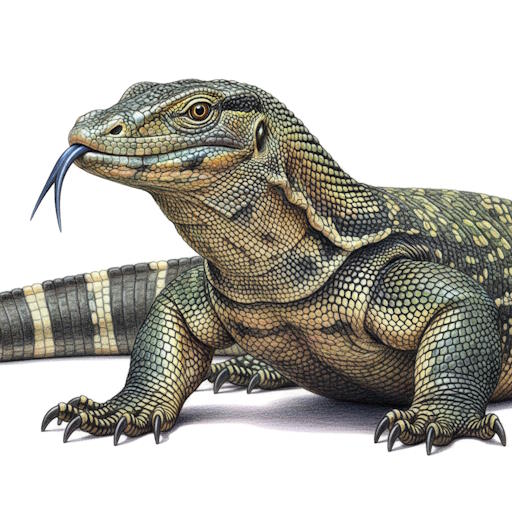
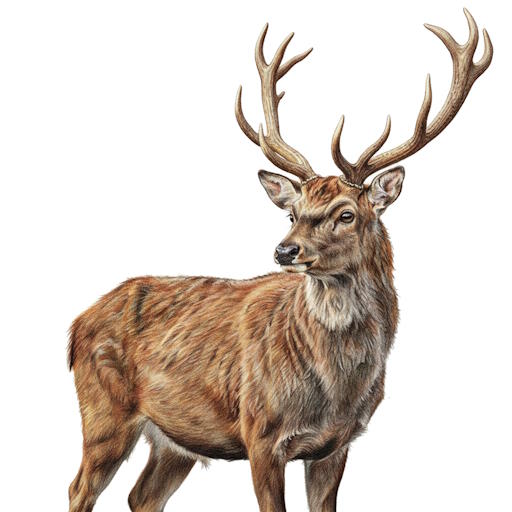
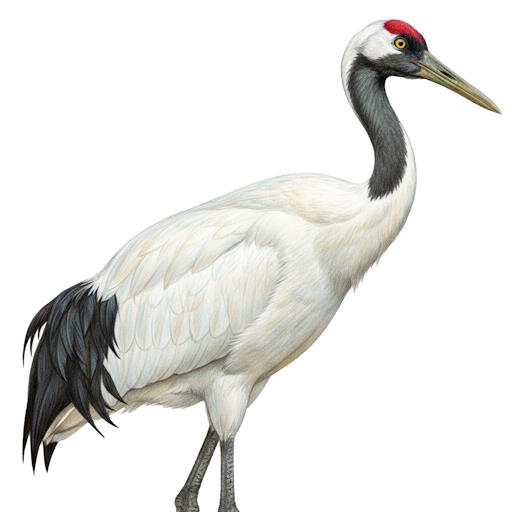
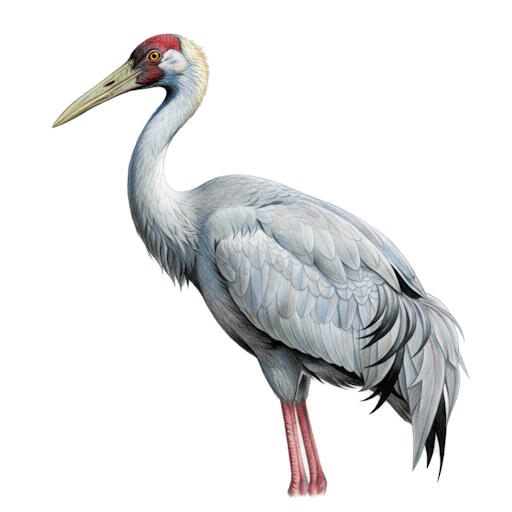
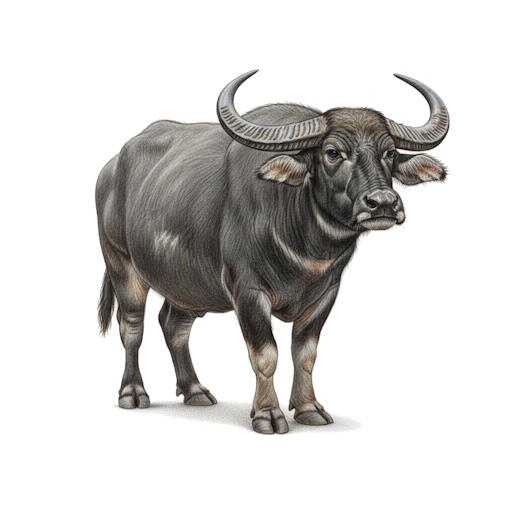
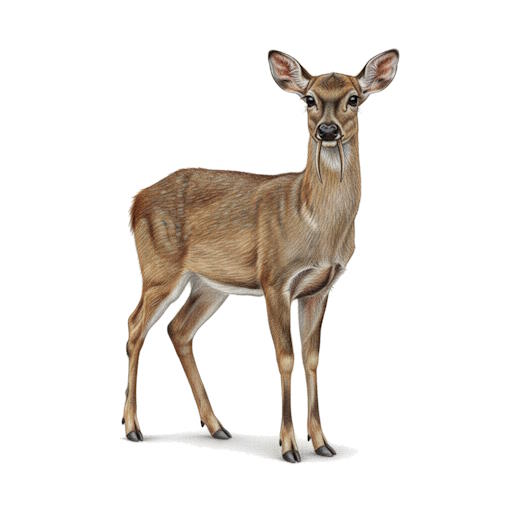
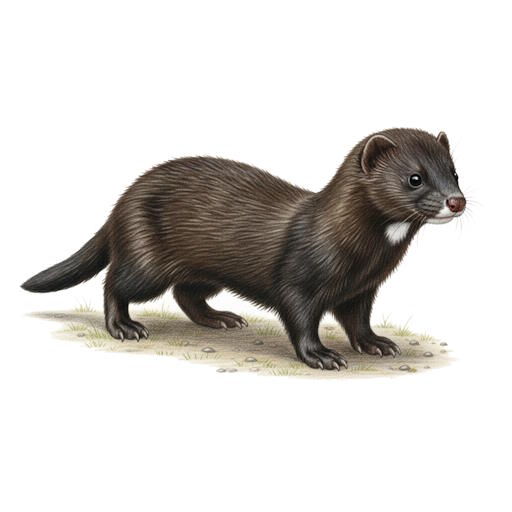
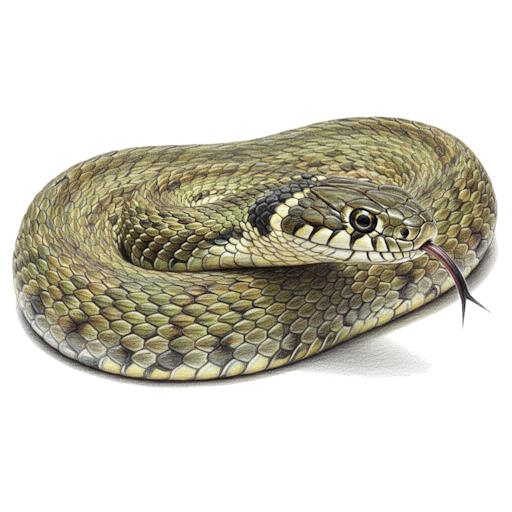
Animals which live in Wetlands Habitat
Click on an image to learn more about one of the animals.