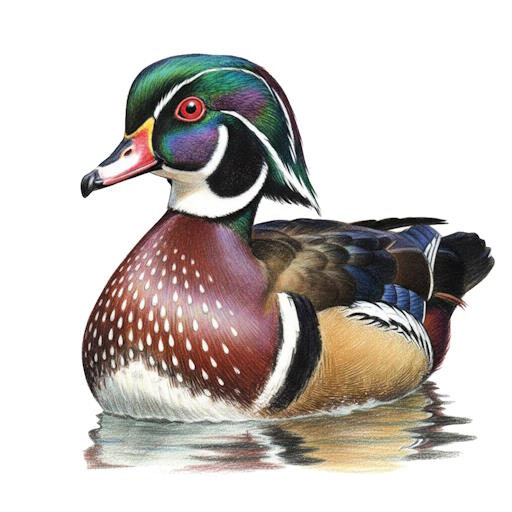
Wooded swamps
Wooded swamps are unique and vital wetland ecosystems characterized by their standing water and dominance of woody vegetation, including trees and shrubs. Unlike open marshes or fens, these environments boast a canopy layer, creating a distinct microclimate beneath. These fascinating habitats can be found across various climates, from the temperate zones to the tropics, each type supporting a specialized array of flora and fauna.
Characteristics of Wooded Swamps
What defines a wooded swamp? Typically, the soil is saturated or submerged for a significant portion of the year, leading to anaerobic conditions that limit the types of plants that can thrive. Trees commonly found in wooded swamps often exhibit adaptations like pneumatophores (root knees) or buttressed trunks to cope with the waterlogged conditions. The water itself can be fresh or brackish, influenced by rivers, lakes, or coastal tides, and nutrient levels can vary widely.
Biodiversity Hotspots
Wooded swamps are incredibly rich in biodiversity. They serve as critical nurseries and breeding grounds for numerous species of fish, amphibians, reptiles, and birds. Mammals like deer, raccoons, and even bears might utilize these areas for food and shelter. The dense vegetation provides excellent cover, and the abundant water sources support complex food webs. Unique plant communities, including various ferns, mosses, and water-tolerant trees such as cypress, tupelo, and certain species of maple and oak, thrive in these challenging conditions.
Ecological Importance
Beyond their biological richness, wooded swamps provide invaluable ecosystem services. They act as natural filters, improving water quality by trapping sediments and absorbing pollutants. They also play a crucial role in flood control, absorbing excess water during heavy rainfall and slowly releasing it, thereby reducing the risk of downstream flooding. Furthermore, they contribute to groundwater recharge and help stabilize shorelines. Their dense vegetation also sequesters carbon, contributing to climate regulation.
Threats and Conservation
Despite their ecological importance, wooded swamps face significant threats. Drainage for agriculture and urban development, logging, pollution, and climate change all contribute to their degradation and loss. Conservation efforts are vital to protect these unique habitats. This includes preserving existing swamps, restoring degraded areas, and implementing sustainable land management practices. Understanding and appreciating the intricate balance of life within wooded swamps is the first step towards ensuring their long-term survival for future generations.
Other Habitats
There are lots of other habitats to explore. Check out all of our habitats for more info.
Animals which live in Wooded swamps Habitat
Click on an image to learn more about one of the animals.