Yangtze River
The Yangtze River, Asia's longest river and the third longest in the world, is a vibrant and essential habitat supporting an incredible array of biodiversity. Stretching over 6,300 kilometers (3,900 miles) from its source in the Tibetan Plateau to the East China Sea, this colossal waterway carves a path through diverse landscapes, including towering mountains, fertile plains, and bustling urban centers. Its vast basin is home to millions of people and a unique collection of flora and fauna, many of which are endemic to the region.
Ecological Significance of the Yangtze River Habitat
The Yangtze River habitat encompasses a variety of aquatic and terrestrial ecosystems. The river itself provides critical freshwater resources and serves as a vital corridor for migratory fish species. Its wetlands, floodplains, and oxbow lakes are crucial breeding grounds and foraging areas for numerous bird species, including many endangered ones. The surrounding terrestrial habitats, influenced by the river's presence, range from subtropical forests to agricultural lands, each contributing to the overall ecological richness of the basin.
Key Species and Biodiversity
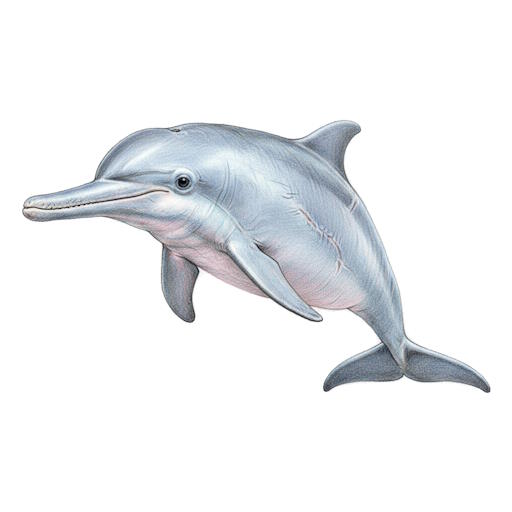
Historically, the Yangtze River was renowned for its unique megafauna, such as the Yangtze finless porpoise, a critically endangered freshwater cetacean, and the now-extinct Yangtze River dolphin (baiji). While some iconic species face severe threats, the river still supports a rich diversity of fish, amphibians, reptiles, birds, and mammals. Efforts are underway to protect and restore populations of threatened species and their habitats, including the Chinese alligator and various migratory bird species.
Challenges and Conservation Efforts
The Yangtze River habitat faces significant environmental challenges, including pollution from industrial and agricultural runoff, overfishing, dam construction, and habitat loss due to urbanization and infrastructure development. These pressures have led to a decline in biodiversity and ecosystem health. In response, China has implemented various conservation initiatives, such as fishing bans, wetland restoration projects, and stricter pollution controls, aiming to safeguard the river's ecological integrity and promote sustainable development within its basin.
The Future of the Yangtze River Habitat
Preserving the Yangtze River habitat is crucial not only for its intrinsic biodiversity but also for the livelihoods of the millions who depend on its resources. Ongoing conservation efforts, coupled with international collaboration and public awareness, are vital to ensuring a healthier future for this magnificent river and its diverse inhabitants. Understanding the intricate ecological balance of the Yangtze River basin is key to developing effective strategies for its long-term protection and sustainable management.
Other Habitats
There are lots of other habitats to explore. Check out all of our habitats for more info.
Animals which live in Yangtze River Habitat
Click on an image to learn more about one of the animals.