Animal Order: Accipitriformes
The parent class for the order of Accipitriformes is Aves (Avian).
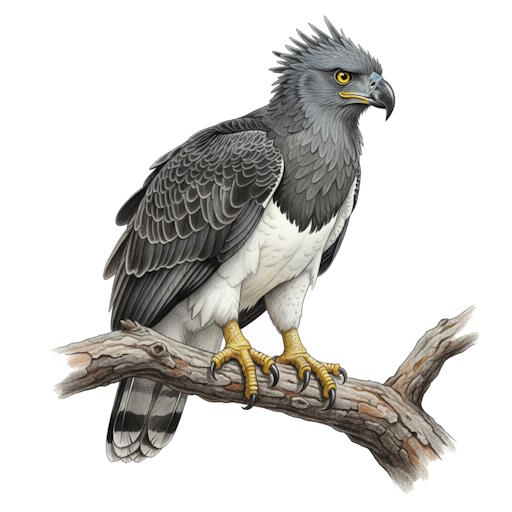
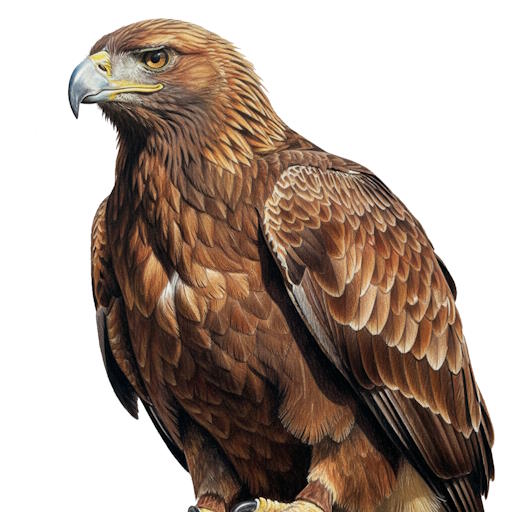
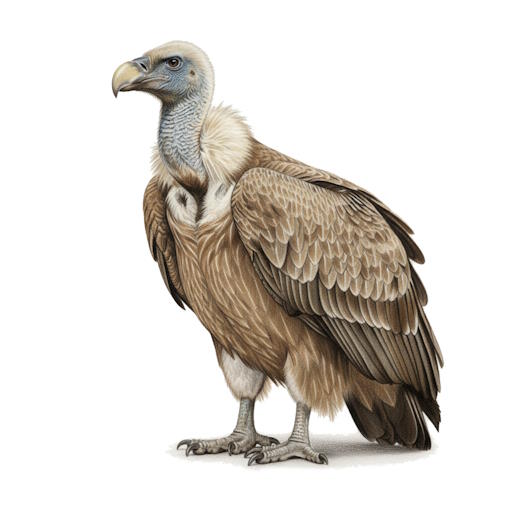
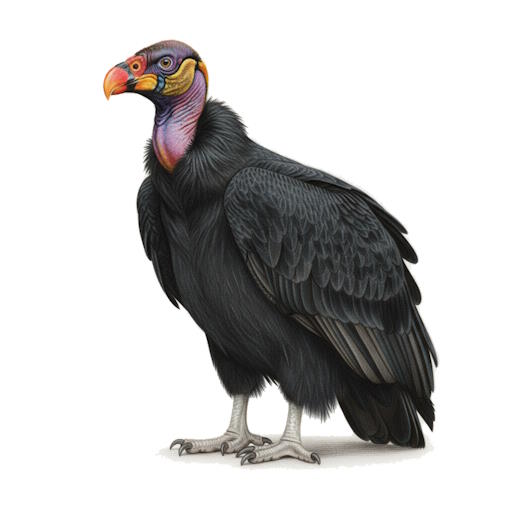
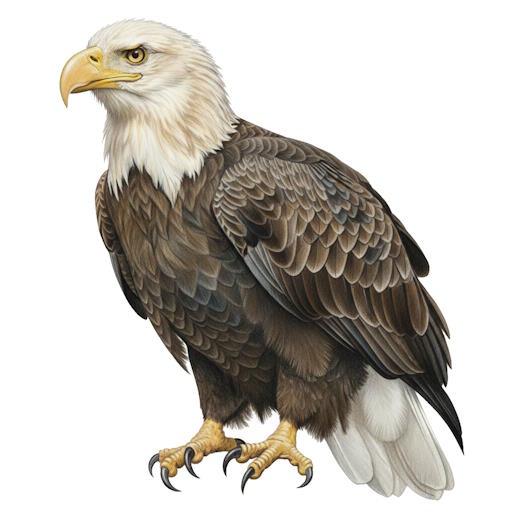
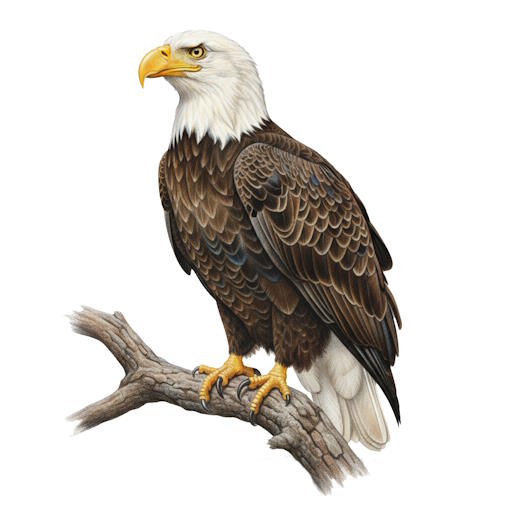
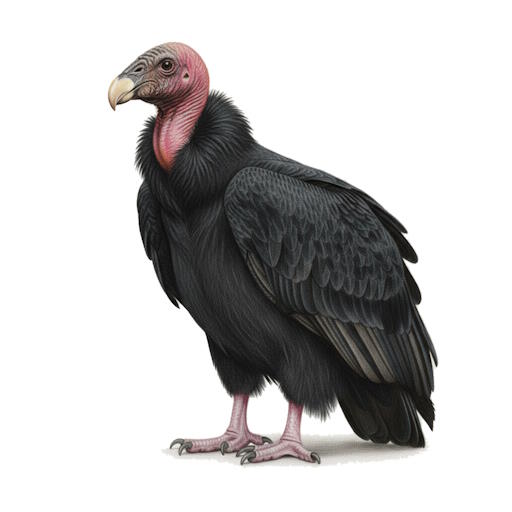
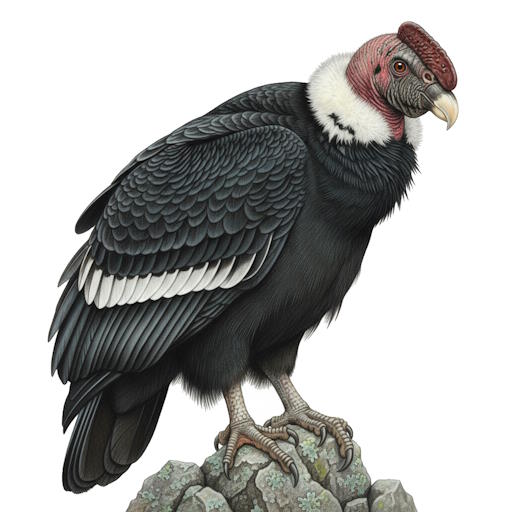
The orderAccipitriformes stands as a powerful testament to avian predatory evolution, encompassing an awe-inspiring array of diurnal birds of prey such as hawks, eagles, kites, and Old World vultures. What truly sets Accipitriformes apart in the animal kingdom is their unparalleled mastery of aerial hunting, built upon a suite of specialized adaptations for detecting, capturing, and consuming prey.
At the forefront of their uniqueness is their extraordinary vision. Accipitriformes possess some of the keenest eyesight in the animal kingdom, often 4-8 times sharper than humans. Their large, forward-facing eyes, equipped with high densities of photoreceptors and powerful focusing capabilities, allow them to spot minuscule prey from immense altitudes. This visual acuity is crucial for their hunting success across diverse landscapes, from dense forests to open grasslands and towering mountains.
Beyond their vision, their specialized talons are a defining characteristic. These powerful, sharp claws are perfectly adapted for grasping and dispatching prey, serving as precision instruments for capturing everything from small rodents to large mammals and fish. Coupled with their strong, hooked beaks, designed for tearing flesh, Accipitriformes are exquisitely equipped for their carnivorous diets.
Their flight capabilities are equally remarkable. Many species within this order are master soaring birds, utilizing thermals to conserve energy during extensive hunts. Their broad wings, often featuring slotted primary feathers, provide lift and maneuverability, enabling breathtaking dives and agile pursuits. This combination of powerful flight, acute senses, and specialized weaponry solidifies Accipitriformes' position as apex predators in their respective ecosystems, playing vital roles in maintaining ecological balance.
Furthermore, their ecological importance extends to their role as indicators of environmental health. Their position at the top of many food chains makes them susceptible to environmental changes, making their populations key barometers for ecosystem well-being. The fascinating behaviors, intricate social structures, and diverse hunting strategies exhibited across the Accipitriformes order further highlight their unique and indispensable presence in the avian world.
Other Orders
There are many different orders based upon their class. To learn more about classification orders, click here.
Families within Accipitriformes
Within the order of Accipitriformes, there are one or more families of animals that share common characteristics and traits.
Each family represents a more specific grouping within the order, highlighting the diversity and specialization of species that have adapted to various ecological niches. Below is a list of families that fall under this order, showcasing the rich variety of life forms classified within this taxonomic category.
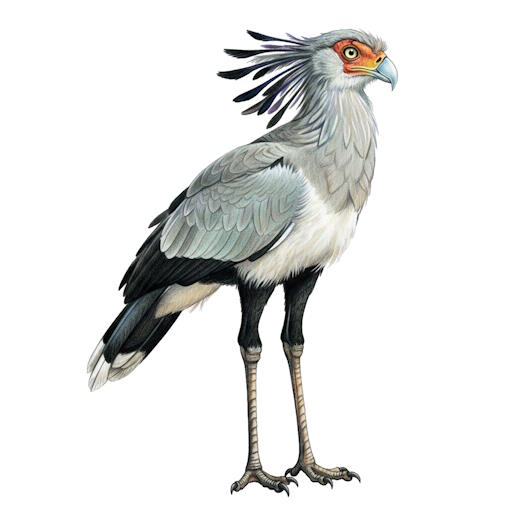
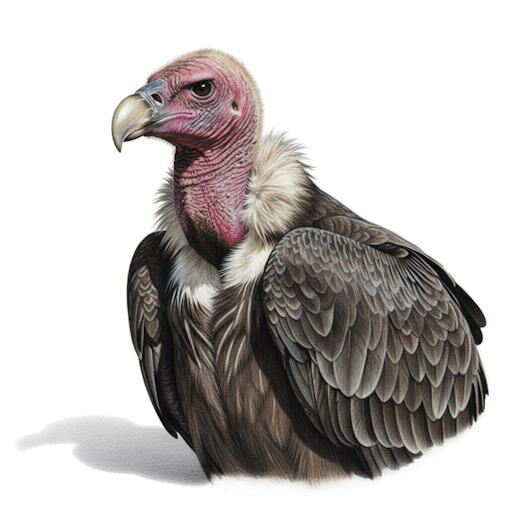
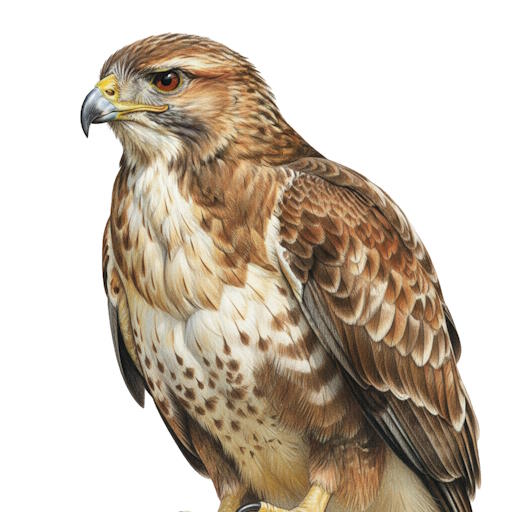
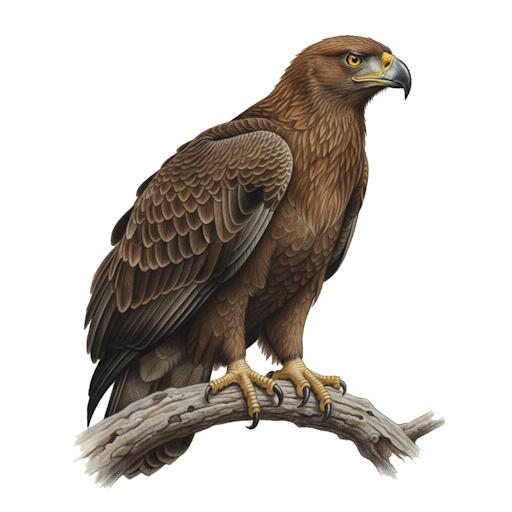
Animals in the order of Accipitriformes
Click on an image to learn more about one of the animals.