Animal Order: Anseriformes
The parent class for the order of Anseriformes is Aves (Avian).
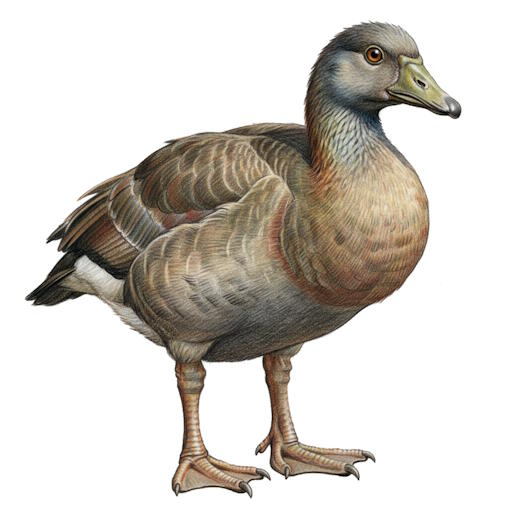
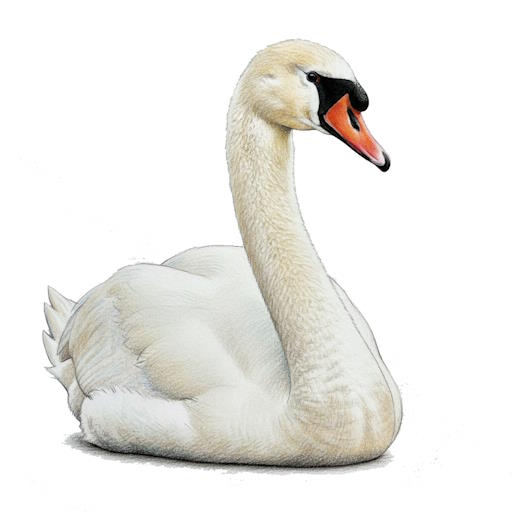
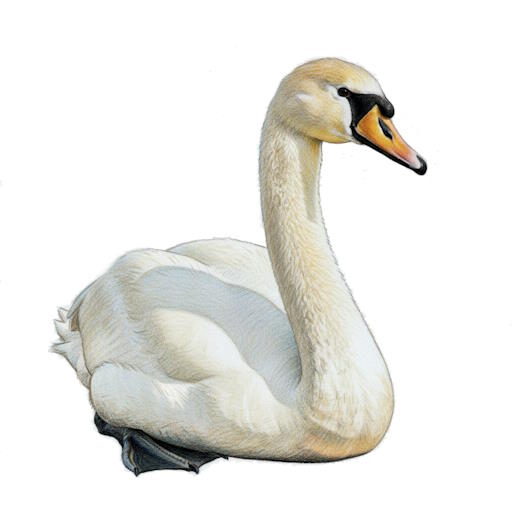
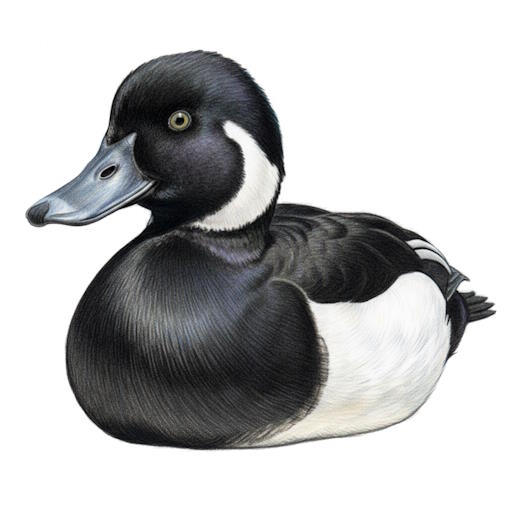
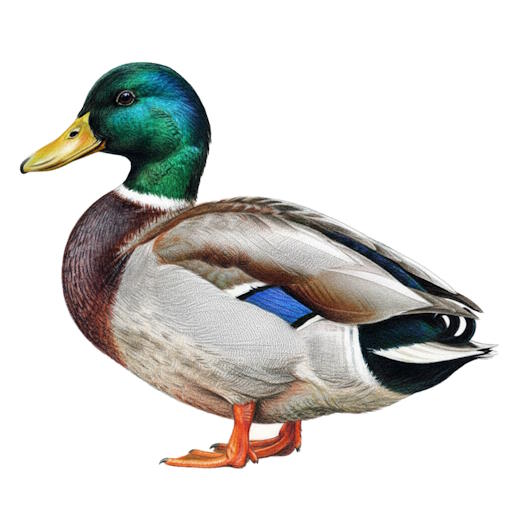
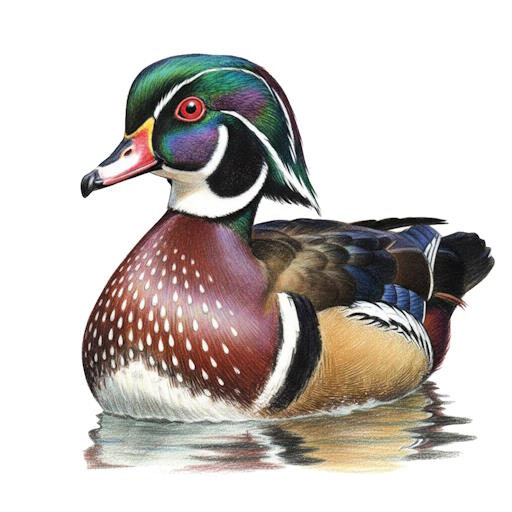
The order Anseriformes to be a remarkably distinct and ecologically vital group within the animal kingdom. Comprising approximately 150 species of waterfowl, including ducks, geese, and swans, Anseriformes are globally distributed and uniquely adapted to aquatic and semi-aquatic environments.
What truly sets Anseriformes apart is their suite of specialized adaptations for life on water. A defining characteristic is their unique bill structure, which is typically broad, flattened, and equipped with lamellae—small, filter-like ridges along the edges. This bill is perfectly engineered for filter-feeding, allowing them to efficiently strain small organisms, plants, and seeds from the water, a feeding strategy less common in other large bird orders.
Furthermore, Anseriformes possess highly developed webbed feet, optimally designed for powerful propulsion through water, enabling them to be exceptional swimmers and divers. Their plumage is also uniquely adapted, featuring dense, waterproof feathers that are meticulously preened and coated with oil from a large uropygial gland, providing superior insulation and buoyancy. This combination of specialized bill, webbed feet, and waterproof plumage highlights their unparalleled evolutionary commitment to an aquatic lifestyle, making them truly unique within the avian world.
Other Orders
There are many different orders based upon their class. To learn more about classification orders, click here.
Families within Anseriformes
Within the order of Anseriformes, there are one or more families of animals that share common characteristics and traits.
Each family represents a more specific grouping within the order, highlighting the diversity and specialization of species that have adapted to various ecological niches. Below is a list of families that fall under this order, showcasing the rich variety of life forms classified within this taxonomic category.
Animals in the order of Anseriformes
Click on an image to learn more about one of the animals.