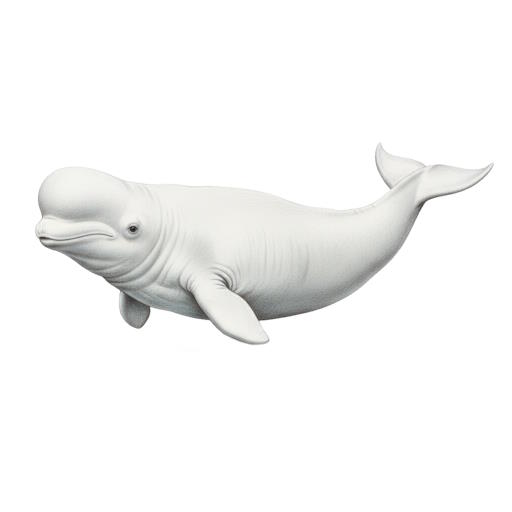
Animal Order: Cetacea
The parent class for the order of Cetacea is Mammalia.
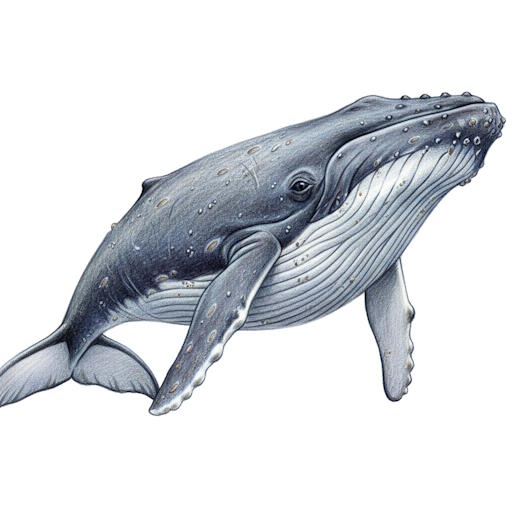
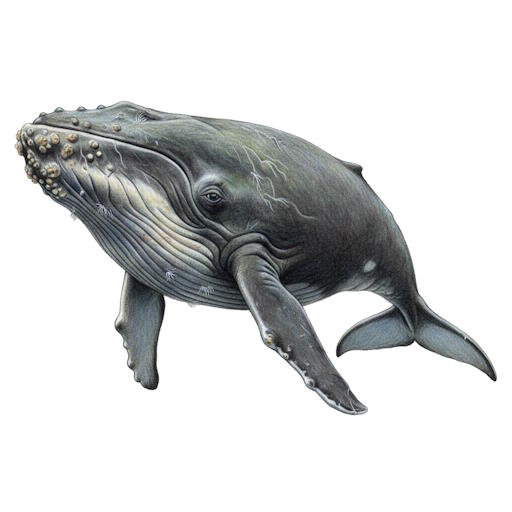
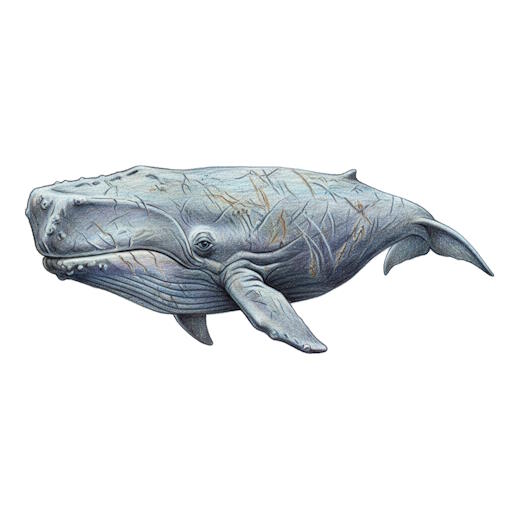
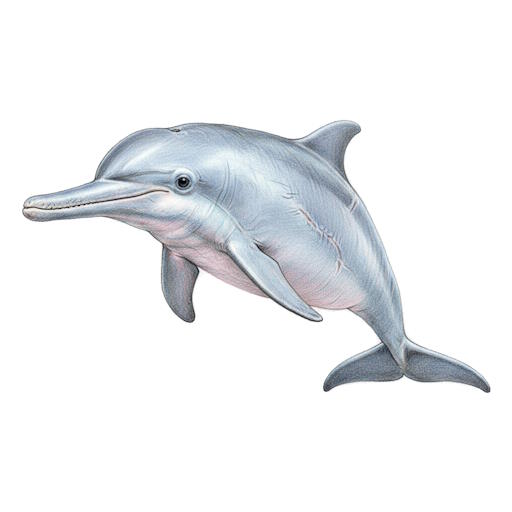
The diverse and fascinating lineage of the order Cetacea encompassing whales, dolphins, and porpoises. What truly makes Cetacea unique within the animal kingdom is their complete and irreversible adaptation to an aquatic life. Unlike other marine mammals, cetaceans have evolved a suite of remarkable physiological and anatomical features that allow them to thrive exclusively in water, never returning to land.
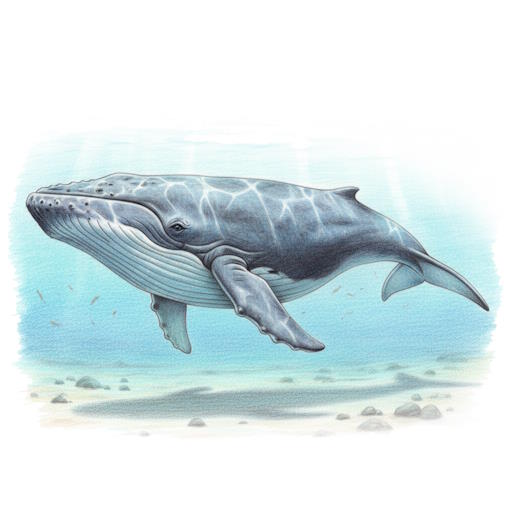
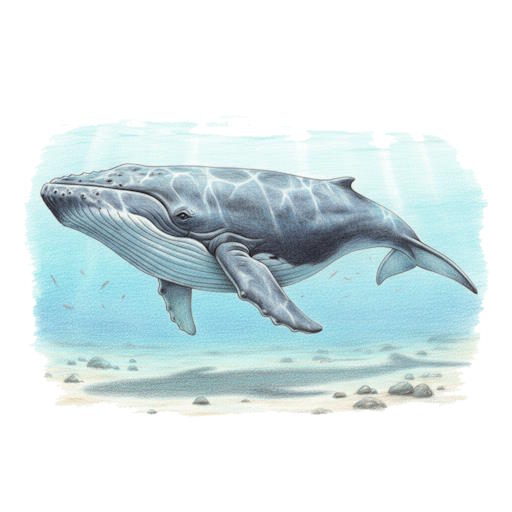
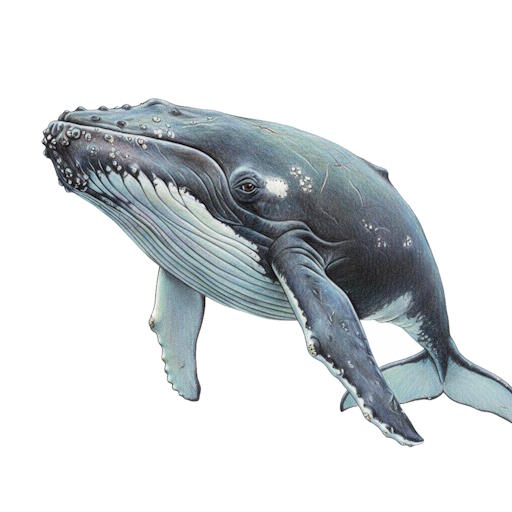
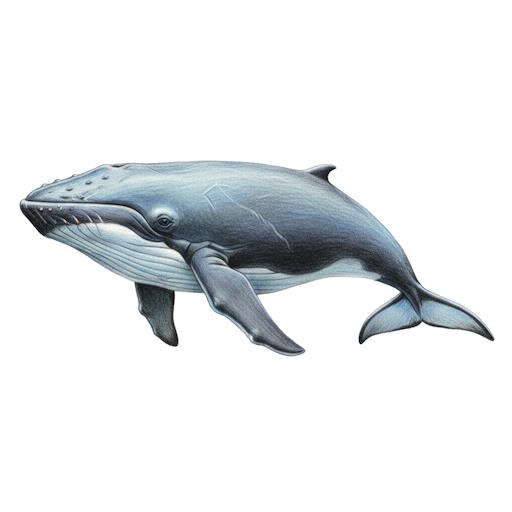
One of the most striking adaptations is their streamlined, fusiform body shape, which minimizes drag during swimming. Their forelimbs have transformed into paddle-like flippers for steering, while their hind limbs are entirely absent, replaced by a powerful horizontal fluke that propels them through the water with incredible efficiency. This horizontal fluke is a key distinguishing feature, contrasting with the vertical tails of fish.
Respiration in cetaceans is also uniquely adapted for underwater life. They possess a blowhole, located on the top of their head, which allows them to breathe without lifting their entire head out of the water. Their respiratory system is highly efficient, enabling them to extract a large percentage of oxygen from each breath and hold their breath for extended periods during deep dives. Many species exhibit remarkable adaptations for dealing with the immense pressure of the deep sea, including collapsible lungs and specialized blood circulation.
Furthermore, cetaceans have developed sophisticated sensory systems perfectly tuned to their marine environment. Toothed whales (Odontoceti) utilize echolocation, emitting high-frequency sounds and interpreting the echoes to navigate, locate prey, and communicate in dark or murky waters. Baleen whales (Mysticeti), on the other hand, possess massive baleen plates in their mouths, which they use to filter vast quantities of small prey, such as krill and small fish, from the water.
Beyond these physical adaptations, the social structures and communication methods of cetaceans are incredibly complex. Many species live in highly organized pods, exhibiting cooperative hunting behaviors and intricate vocalizations, including the haunting songs of humpback whales and the clicks and whistles of dolphins. Their intelligence and capacity for learning are also remarkable, often rivaling those of primates.
In conclusion, the order Cetacea stands as a pinnacle of evolutionary adaptation to aquatic life. Their specialized anatomy, unique respiratory and sensory systems, and complex social behaviors collectively highlight their singular and extraordinary position in the animal kingdom. Understanding cetaceans not only enriches our knowledge of biodiversity but also underscores the incredible power of natural selection to shape life in response to environmental pressures.
Other Orders
There are many different orders based upon their class. To learn more about classification orders, click here.
Families within Cetacea
Within the order of Cetacea, there are one or more families of animals that share common characteristics and traits.
Each family represents a more specific grouping within the order, highlighting the diversity and specialization of species that have adapted to various ecological niches. Below is a list of families that fall under this order, showcasing the rich variety of life forms classified within this taxonomic category.
Animals in the order of Cetacea
Click on an image to learn more about one of the animals.