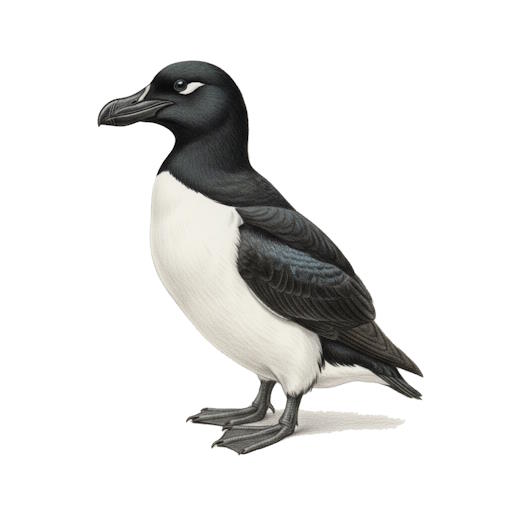
Animal Order: Charadriiformes
The parent class for the order of Charadriiformes is Aves (Avian).
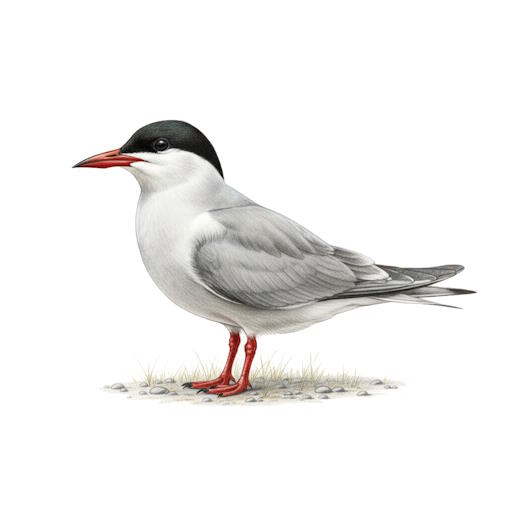
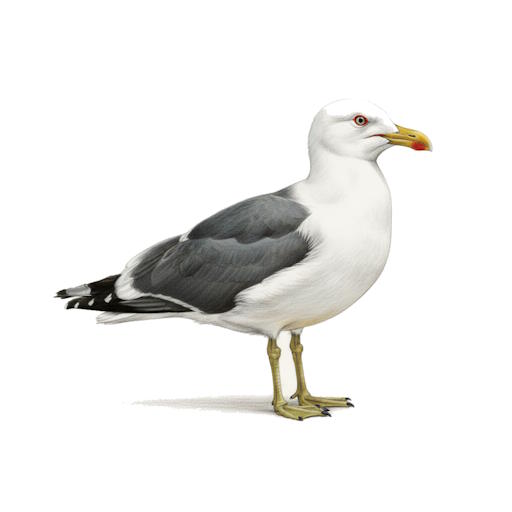
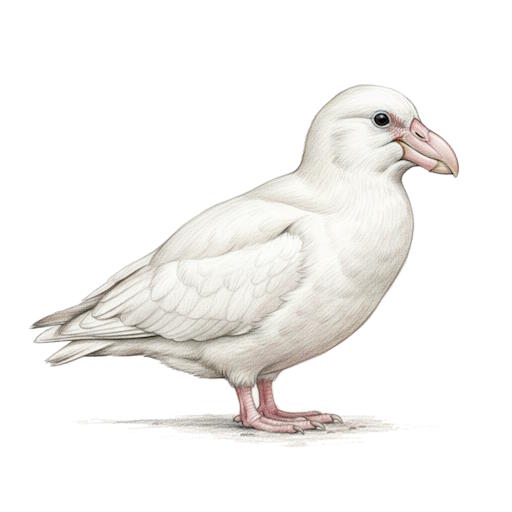
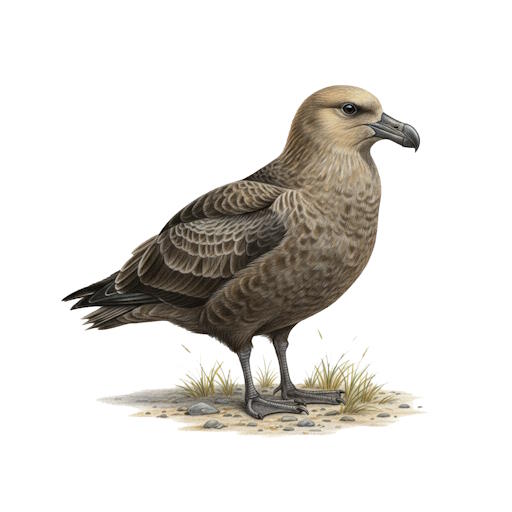
The order Charadriiformes to be a truly remarkable and ecologically diverse group within the animal kingdom, embodying a spectrum of adaptations that make its members profoundly unique. This cosmopolitan order encompasses an astonishing array of birds, including gulls, terns, sandpipers, plovers, auks, and skimmers, thriving in nearly every aquatic and coastal environment across the globe, from polar regions to tropical shores.
What sets Charadriiformes apart is their exceptional adaptability to a variety of foraging strategies and wetland habitats. Many species exhibit highly specialized bills and feeding behaviors, perfectly tuned for extracting invertebrates from mud, sand, or water. For instance, the long, sensitive bills of sandpipers allow them to probe deeply for hidden prey, while the robust, conical bills of gulls are adept at scavenging and opportunistic predation. This dietary flexibility and morphological diversity are key to their widespread success.
Furthermore, Charadriiformes are renowned for their impressive migratory journeys, with many species undertaking epic annual flights between breeding and non-breeding grounds. Their finely tuned navigation skills and endurance are unparalleled, enabling them to exploit seasonal food abundances across vast distances. This migratory imperative has driven the evolution of efficient flight mechanics and metabolic adaptations.
Another distinguishing feature is their often elaborate breeding behaviors and camouflage. Many shorebirds lay eggs that are remarkably camouflaged to blend seamlessly with their pebbly or sandy surroundings, a crucial defense mechanism against predators. Their social structures range from solitary nesters to large colonial breeders, each strategy reflecting specific ecological pressures and resource availability.
In essence, the uniqueness of Charadriiformes lies in their mastery of diverse aquatic and semi-aquatic niches, their highly specialized feeding apparatus, their awe-inspiring migratory capabilities, and their ingenious adaptations for reproduction and survival in dynamic environments. Studying this order provides invaluable insights into avian evolution, ecological resilience, and the intricate connections within global ecosystems, making them a captivating subject for any zoologist.
Other Orders
There are many different orders based upon their class. To learn more about classification orders, click here.
Families within Charadriiformes
Within the order of Charadriiformes, there are one or more families of animals that share common characteristics and traits.
Each family represents a more specific grouping within the order, highlighting the diversity and specialization of species that have adapted to various ecological niches. Below is a list of families that fall under this order, showcasing the rich variety of life forms classified within this taxonomic category.
Animals in the order of Charadriiformes
Click on an image to learn more about one of the animals.