Animal Order: Dasyuromorphia
The parent class for the order of Dasyuromorphia is Mammalia.
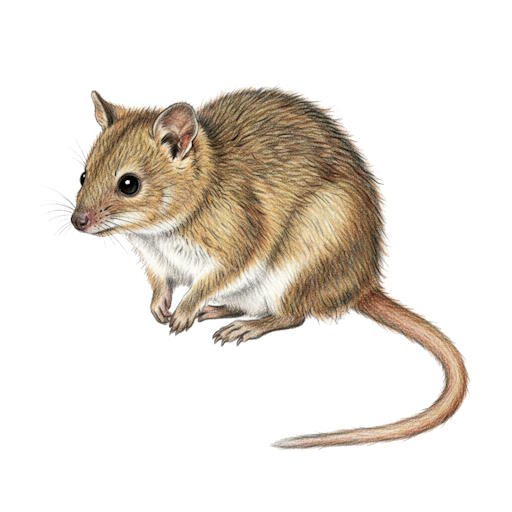
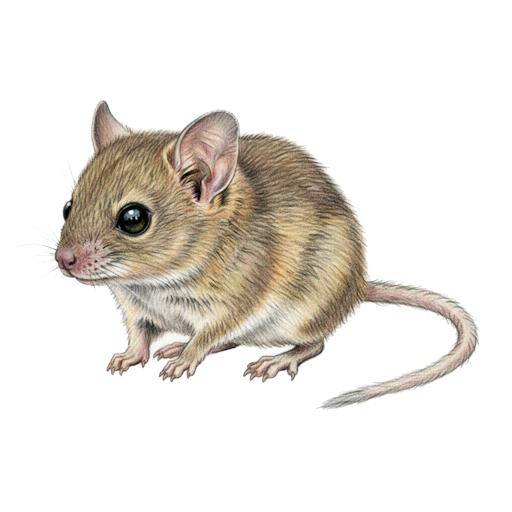
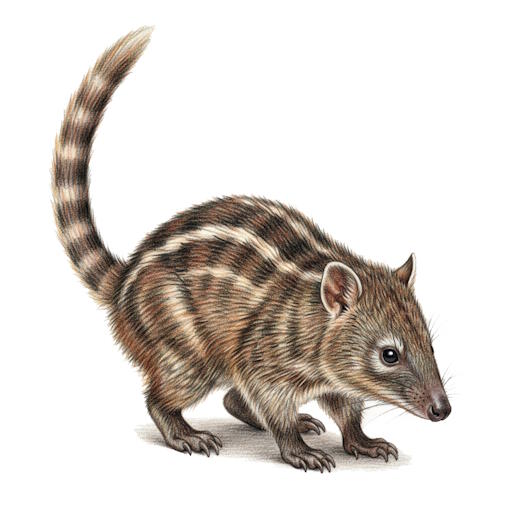
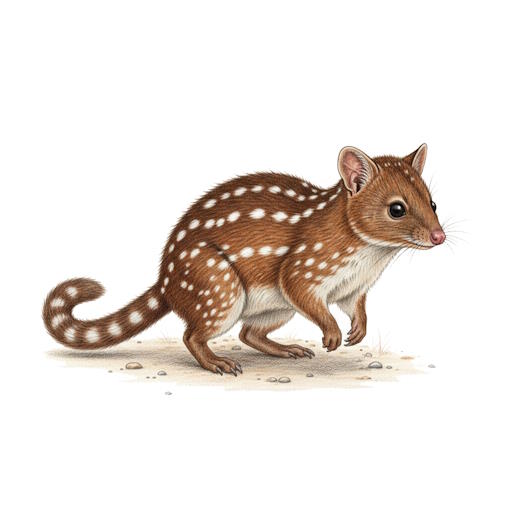
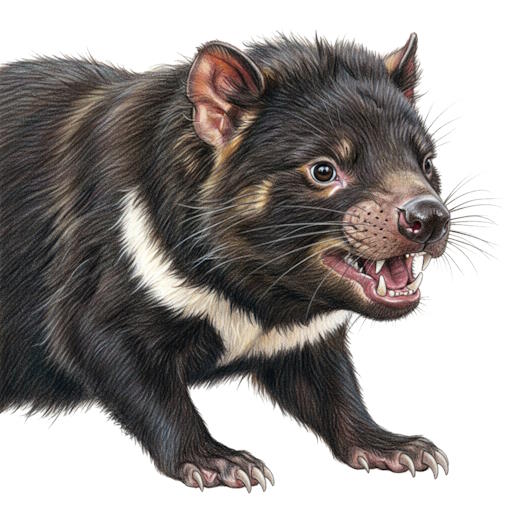
The orderDasyuromorphia represents a truly captivating and unique lineage within the animal kingdom, primarily composed of Australia’s and New Guinea’s carnivorous and insectivorous marsupials. This diverse group includes iconic creatures like quolls, Tasmanian devils, antechinuses, and the endearing dunnarts. What truly sets Dasyuromorphia apart is their remarkable evolutionary journey and their specialized adaptations to a predatory or insectivorous lifestyle within the unique Australian and New Guinean ecological niches.
At the core of their uniqueness are their distinct dental and skeletal features, finely tuned for a diet often rich in meat or insects. Many species possess sharp, numerous incisors, well-developed canines, and specialized molariform teeth designed for shearing and crushing their prey. Unlike many other marsupials, most dasyuromorphs have a polyprotodont dentition (multiple lower incisors) and typically lack a syndactylous foot structure (fused toes), distinguishing them from many herbivorous marsupials.
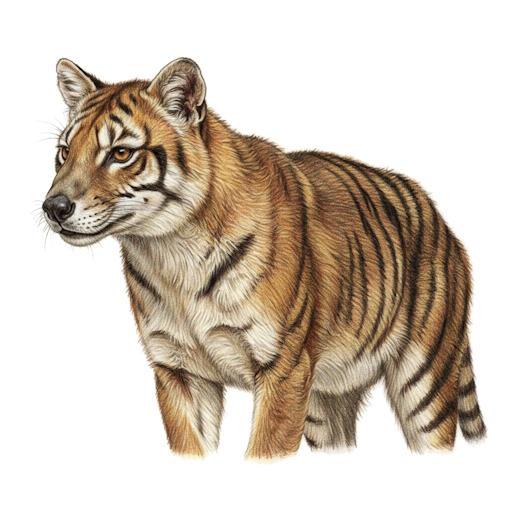
Beyond their physical traits, the ecological roles of Dasyuromorphia are pivotal. From the apex predator status once held by the thylacine, and now largely by the Tasmanian devil, to the crucial role of smaller species in insect control and nutrient cycling, they are integral to the health of their ecosystems. Their diverse reproductive strategies, including some species with highly synchronized, semelparous breeding (a single, often fatal, reproductive event for males), further highlight their fascinating adaptations.
The conservation of Dasyuromorphia is of paramount importance, as many species face threats from habitat loss, introduced predators, and diseases. Understanding their unique biology and evolutionary history is crucial for protecting these extraordinary marsupials, which stand as a testament to the diverse and specialized forms life can take on Earth.
Other Orders
There are many different orders based upon their class. To learn more about classification orders, click here.
Families within Dasyuromorphia
Within the order of Dasyuromorphia, there are one or more families of animals that share common characteristics and traits.
Each family represents a more specific grouping within the order, highlighting the diversity and specialization of species that have adapted to various ecological niches. Below is a list of families that fall under this order, showcasing the rich variety of life forms classified within this taxonomic category.
Animals in the order of Dasyuromorphia
Click on an image to learn more about one of the animals.