Animal Order: Monotremata
The parent class for the order of Monotremata is Mammalia.
The orderMonotremata stands as a truly extraordinary and captivating group within the animal kingdom, representing the most ancient lineage of living mammals. What makes monotremes—the platypus and echidnas—singularly unique is their remarkable combination of reptilian and mammalian characteristics, setting them apart from all other creatures on Earth.
The most defining and perhaps astonishing feature of monotremes is their method of reproduction: they lay eggs. Unlike all other mammals, which give birth to live young, monotremes are oviparous. This ancestral trait, shared with reptiles and birds, is a powerful evolutionary link to their distant past and a key reason for their scientific fascination. Following a short incubation period, the tiny, altricial young hatch and are then nourished by milk. However, unlike placental or marsupial mammals, monotremes lack nipples; instead, the milk is secreted through specialized mammary glands onto patches of skin, which the young lap up.
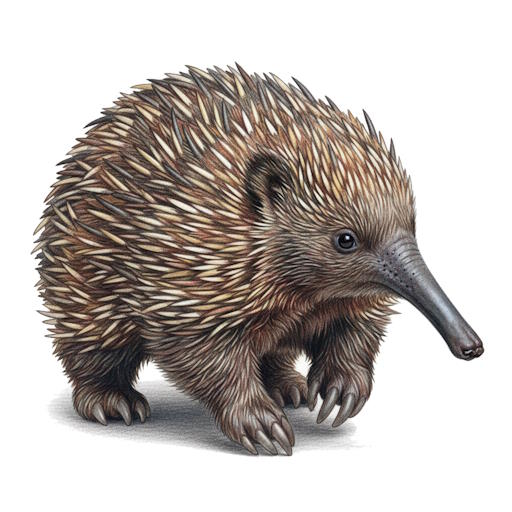
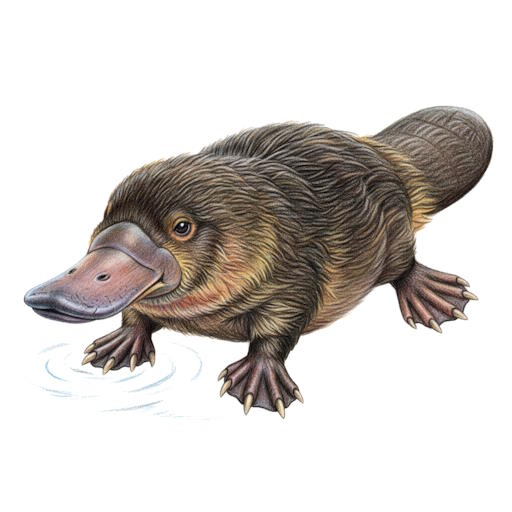
Beyond their unique reproductive strategy, monotremes possess other distinctive anatomical features. The platypus, with its iconic duck-like bill, is highly adapted for a semi-aquatic lifestyle, possessing webbed feet and a flattened tail for swimming. Echidnas, on the other hand, are terrestrial, covered in sharp spines, and use their powerful claws and long snout to dig for insects. Both groups exhibit a shared skeletal structure, including a pectoral girdle that retains ancestral elements not found in other mammals, and a cloaca—a single opening for urinary, defecatory, and reproductive functions—a feature more typical of reptiles and birds.
Furthermore, the platypus possesses an extraordinary sensory ability: electroreception. Its bill is equipped with thousands of electrosensors that can detect the faint electrical impulses generated by the muscular contractions of its prey underwater, allowing it to hunt effectively even with its eyes, ears, and nostrils closed. This sophisticated sensory system is virtually unparalleled among mammals, highlighting another facet of their evolutionary uniqueness.
Monotremes are living fossils, offering invaluable insights into mammalian evolution. Their blend of primitive and specialized traits makes them a testament to the incredible diversity and adaptability of life. Studying Monotremata not only deepens our understanding of these specific animals but also enriches our knowledge of the broader evolutionary history of mammals, securing their place as truly unique and irreplaceable members of the animal kingdom. Their distinctiveness in reproduction, anatomy, and sensory capabilities continues to fascinate biologists and the public alike.
Other Orders
There are many different orders based upon their class. To learn more about classification orders, click here.
Families within Monotremata
Within the order of Monotremata, there are one or more families of animals that share common characteristics and traits.
Each family represents a more specific grouping within the order, highlighting the diversity and specialization of species that have adapted to various ecological niches. Below is a list of families that fall under this order, showcasing the rich variety of life forms classified within this taxonomic category.
Animals in the order of Monotremata
Click on an image to learn more about one of the animals.